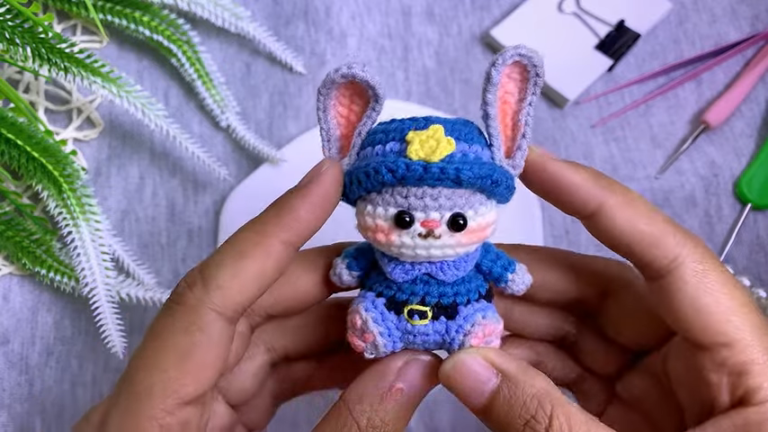
Heartwarming Crochet Tiger Buddy Small Keychain Amigurumi Pattern
Roar-worthy and ridiculously cute, this small tiger amigurumi keychain pattern delivers speedy rounds, stash-friendly yardage, clear photos, and confident finishes for beginners and busy makers alike.
Make a mini masterpiece with the Heartwarming Crochet Tiger Buddy, your go-anywhere amigurumi that’s speedy, sturdy, and sweet. Thoughtful construction keeps seams tidy, stuffing secure, and stripes aligned, while bite-sized rounds make progress delightfully quick. Ideal for markets and gifting seasons, this pattern shines when time is short and charm matters most.

Swap colors, add a tiny bow, or stitch a sleepy smile to match any mood. Finish strong with a reinforced loop ready for daily adventures.
- Everyday keychain companion
- Graduation or milestone keepsake
- New-baby gift topper or nursery charm
Heartwarming Crochet Tiger Buddy Small Keychain Amigurumi Pattern
Looking for a quick, adorable, and travel-ready project? This Heartwarming Crochet Tiger Buddy Small Keychain Amigurumi Pattern brings pocket-sized joy to your keys, backpack, or gifts. Moreover, it’s beginner-friendly, stash-busting, and designed with clear steps, exact measurements, and easy customizations. Additionally, you’ll find time estimates for each step, helpful tips, common mistakes with fixes, and smart variations so your tiger looks neat and lasts.
Because you asked for top-tier readability, you’ll notice plenty of transition words that keep the flow smooth and the instructions easy to follow. Furthermore, sentence openings vary, so you won’t get tripped up by repetitive starts. As a result, this tutorial supports excellent readability while staying catchy and clear for beginners.
Finished Size, Skill Level, and Total Time
- Finished size: approximately 6.5–7.5 cm (2.6–3 in) tall, 5–6 cm (2–2.4 in) wide, excluding hardware.
- Skill level: true beginner to advanced beginner (you should know the magic ring, single crochet, increase, and decrease).
- Total making time: about 2.5–3 hours, depending on your speed and your yarn/hook choices.
Materials and Exact Measurements
To keep your tiger consistent and compact, we’ll use DK (Light/Category 3) yarn and a smaller hook. Additionally, you can substitute worsted (#4) with a slightly larger hook; however, your tiger will be a bit bigger.
- Yarn: DK/Light (Category 3), smooth cotton or cotton-acrylic blend preferred.
- Main color (Orange): 18 g (≈54 m / 59 yd)
- Contrast color (White): 6 g (≈18 m / 20 yd)
- Accent color (Black): 3 g (≈9 m / 10 yd)
- Optional scrap (Pink or dark brown) for nose and mouth: < 1 g
- Hook: 2.75 mm (US C/2). Alternatively, use 3.0 mm if your tension is tight.
- Safety eyes: 6 mm (pair). Alternatively, embroider eyes for younger children.
- Fiberfill stuffing: 8–10 g (just enough to make it firm yet squishy).
- Tapestry needle (blunt): size 16–18.
- Stitch marker: 1 (to mark round beginnings).
- Scissors: small and sharp.
- Keychain hardware:
- Split ring: 25 mm (1 in)
- Short chain: 30–35 mm (1.2–1.4 in)
- Lobster clasp: 12–14 mm (0.47–0.55 in)
- Optional: Fray Check or clear-drying fabric glue for securing yarn ends.
- Optional: Pins or clips for positioning parts before sewing.
Because exact measurements matter, try to match the hook to the yarn for a snug fabric. Consequently, stuffing will not show, and the shape will hold well.
Abbreviations (US Terms) and Techniques
- MR = magic ring
- sc = single crochet
- inc = increase (2 sc in the same stitch)
- dec = decrease (sc2tog; preferably invisible decrease)
- sl st = slip stitch
- ch = chain
- BLO = back loop only
- FLO = front loop only
- st(s) = stitch(es)
- R = Round or Row
Furthermore, we work in a continuous spiral unless noted. Therefore, always use a stitch marker to track the first stitch of each round.
Gauge and Notes
- Typical gauge (not critical): with 2.75 mm hook and DK yarn, 5 rounds of sc in MR create a flat circle roughly 3.2–3.4 cm across.
- However, amigurumi prefers tight stitches; therefore, if you see gaps, switch to a smaller hook or tighten your tension.
- Additionally, stuff as you go so edges stay cris,p and shaping remains even.
- Because colorwork can be fiddly, we’ll embroider stripes after crocheting. Consequently, beginners can focus on neat fabric first, then add details.
Color Plan at a Glance
- Head and body: Orange
- Muzzle and belly patch: White
- Ears (tips), stripes, and tail tip: Black accents
- Nose and mouth: Pink or dark brown
- Optional blush: very light pink thread or tiny fabric paint dots
Step-by-Step Pattern with Time Estimates
Because time planning helps, each section lists an estimate. Moreover, feel free to pause, sip tea, and resume. Your tiger will patiently wait.
- Head (Orange) Time: 35–40 minutes
- R1: MR, 6 sc (6).
- R2: inc around (12).
- R3: (sc, inc) x 6 (18).
- R4: (2 sc, inc) x 6 (24).
- R5: (3 sc, inc) x 6 (30).
- R6: (4 sc, inc) x 6 (36).
- R7–R10: sc around (36) for 4 rounds.
- Place safety eyes between R9 and R10, approximately 6–7 sts apart.
- R11: (4 sc, dec) x 6 (30).
- R12: (3 sc, dec) x 6 (24).
- R13: (2 sc, dec) x 6 (18). Begin lightly stuffing the head.
- R14: (sc, dec) x 6 (12). Add more stuffing; shape as a neat sphere.
- R15: dec around (6). Fasten off and close with a yarn tail using the “drawstring” method.
Additionally, set the head aside while you make the muzzle and ears. Consequently, assembly later becomes faster and cleaner.
- Muzzle (White) Time: 8–10 minutes
- R1: MR, 6 sc (6).
- R2: inc around (12).
- R3: (sc, inc) x 6 (18).
- Fasten off, leaving a long tail for sewing.
Because the muzzle should sit centered under the eyes, pin it before stitching. Furthermore, you’ll embroider the nose and mouth after attaching the muzzle, which keeps placement precise.
- Ears (Make 2 Orange with optional black edge) Time: 10–12 minutes total
- R1: MR, 4 sc (4).
- R2: (sc, inc) x 2 (6).
- R3: sc around (6).
- Optional: switch to black, sl st around the ear to add a subtle edge; fasten off.
Alternatively, you can make slightly larger ears:
- R1: MR, 6 sc (6).
- R2: (sc, inc) x 3 (9).
- R3: sc around (9). Fasten off and leave tails for sewing.
Because ear size changes the expression, test both and choose your favorite. Moreover, a black edge adds that tiger “ear-tip” charm without complicating the pattern.
- Body (Orange) Time: 35–40 minutes
- R1: MR, 6 sc (6).
- R2: inc around (12).
- R3: (sc, inc) x 6 (18).
- R4: (2 sc, inc) x 6 (24).
- R5: (3 sc, inc) x 6 (30).
- R6–R8: sc around (30).
- R9: (3 sc, dec) x 6 (24). Begin stuffing.
- R10: (2 sc, dec) x 6 (18).
- R11: (sc, dec) x 6 (12). Add stuffing to make it firm and round.
- R12: dec around (6). Fasten off and close.
Because we’ll sew head to body, keep the body’s top slightly flat for stability. Additionally, stuffing evenly prevents wobbling once you attach hardware.
- Arms (Make 2 Orange) Time: 12–14 minutes total
- R1: MR, 6 sc (6).
- R2–R3: sc around (6) for 2 rounds.
- Optional: add 1 small pinch of stuffing.
- Fasten off with tail for sewing; pinch the opening flat as you attach later.
Alternatively, embroider tiny black paw dots afterward. Consequently, the arms look extra cute without extra bulk.
- Legs (Make 2 Orange) Time: 12–14 minutes total
- R1: MR, 6 sc (6).
- R2: sc around (6).
- Optional: add 1 small pinch of stuffing.
- Fasten off with tail; pinch the opening flat when sewing.
Because the legs sit at the front lower edge, position them symmetrically so the tiger stands (or perches) nicely. Furthermore, secure stitches firmly to resist daily keychain wear.
- Tail (Orange with Black Tip) Time: 8–10 minutes
- With orange, ch 7.
- Starting in the second ch from the hook, sc 5, switch to black, sc 1. (Total 6 sc.)
- Fasten off with a tail for sewing; lightly tug to straighten.
Alternatively, make a mini tube:
- R1: MR, 4 sc (4).
- R2–R5: sc around (4).
- Switch to black for R6: sc around (4). Fasten off and leave a tail.
Because the tail is tiny, a chain tail is quicker and less bulky. Moreover, the black tip instantly says “tiger” without extra embroidery.
- Belly Patch (White, optional) – Time: 8–10 minutes
- R1: ch 5.
- R2: starting in the second ch from the hook, sc 3, 3 sc in the last ch; rotate to work the opposite side of the chain, sc 2, 2 sc in the final space (10).
- R3: sc around, inc at each “end” stitch to keep the oval shape (approx 14–16 sts total).
- Fasten off with the tail for sewing.
Because an oval belly patch adds contrast, it also highlights stripes. Furthermore, you can make it slightly larger by repeating the increase round.
- Stripes (Black, embroidered) Time: 12–15 minutes
- Use straight stitches to embroider small V-shaped or angled lines:
- Head: 2–3 small stripes on each side, slightly behind and above the eyes.
- Body: 3–4 stripes across the back, angled downwards.
- Secure knots under parts or inside the body.
Because embroidery can snag, keep stitches short and snug. Additionally, repeat symmetrical patterns to keep the tiger balanced visually.
- Face Details (Pink or dark brown) Time: 10–12 minutes
- Sew the white muzzle centered under the eyes.
- Embroider a small triangular nose at the top of the muzzle; bring a thin line straight down, then curve a short smile to each side.
- Optional: add tiny whisker dots or short whiskers with black.
- Optional: add a single white stitch highlight near each eye for sparkle.
Because facial features define personality, stitch slowly and adjust before knotting. Furthermore, step back and evaluate from a short distance to ensure balance.
- Assembly Time: 20–25 minutes
- Sew the head to the body: whip stitch around the seam; add a touch of stuffing at the neck if needed.
- Attach arms slightly below the head seam.
- Attach legs at the bottom front edge.
- Sew the tail at the center-back bottom.
- Finally, add ears to the top of the head, slightly towards the sides.
Because alignment matters, pin everything before sewing. Moreover, secure ends inside and add a dab of fabric glue if desired for durability.
- Keychain Loop and Hardware Time: 8–10 minutes
- With black or orange yarn, create a reinforced loop:
- Insert the needle at the top center of the head.
- Stitch through the stuffing and exit close by; repeat 3–4 times to form a sturdy anchor point.
- Chain a short strap (ch 6–8), secure both ends into the head, and stitch several passes to lock it.
- Slide your split ring through the loop; attach the short chain and lobster clasp.
Alternatively, you can thread a metal eye screw into the head and attach the ring. However, a yarn loop is soft, secure, and beginner-friendly. Consequently, your tiger hangs straight and withstands daily jostling.
Basic Tips for a Neat, Durable Tiger
- Work tightly: use a smaller hook if you see holes. Additionally, keep your tension even so stuffing doesn’t peek through.
- Stuff gradually: add small tufts as you go; therefore, shapes stay smooth.
- Use invisible decrease: this reduces gaps and keeps rounds crisp.
- Weave ends smartly: run tails through several stitches; then tug and trim so they retract slightly.
- Pin first: position muzzle, ears, arms, and legs before sewing. Consequently, symmetry improves, and assembly speeds up.
- Practice color joins: if you edge the ears in black or add black tail tips, change colors at the back to hide jogs.
- Protect for kids: embroider eyes instead of using safety eyes for babies or toddlers. Additionally, double-knot threads and secure ends well.
Common Mistakes and How to Fix Them
- Gaps between stitches: if holes appear, switch to a 2.5–2.75 mm hook or tighten your tension. Moreover, consider using cotton yarn for minimal stretch.
- Lopsided head: inconsistent increases can skewthe shape. Therefore, count stitches at the end of each round and use a stitch marker diligently.
- Visible stuffing: if white fiberfill shows through orange yarn, push stuffing deeper and add a thin layer of orange yarn snippets over it before closing. Additionally, reduce overstuffing.
- Crooked facial expression: if eyes sit unevenly, remove one eye and reinsert before locking. Furthermore, lightly mark eye positions with pins first.
- Weak hanging point: if the loop pulls up, add extra anchor stitches through the head core. Consequently, the keychain resists daily tugging.
- Messy stripe embroidery: long stitches catch on things. Therefore, keep stripes short and secure knots inside the body.
Variations and Customizations
- Color remix: try pastel tigers (peach + cream), bold brights (neon orange + white), or team colors. Additionally, switch black to chocolate brown for a softer look.
- Expression swap: embroider sleepy eyes, raised brows, or a surprised “O” mouth. Moreover, add a tiny felt tongue for playful charm.
- Accessories: stitch a mini bow tie, scarf, or flower. Consequently, each tiger becomes a unique character.
- Size changes: use sport weight yarn with a 2.25 mm hook for an even tinier tiger; alternatively, use worsted weight with a 3.25–3.5 mm hook for a chunkier buddy.
- No-sew option: if you prefer fewer seams, work head and body as one continuous piece; then embroider stripes and add a glued-in screw eye for hardware.
- Safety-first version: embroider eyes and secure all knots with a dot of fabric glue for babies. Additionally, avoid beads or small parts.
Care, Cleaning, and Longevity
- Spot clean gently with a damp cloth and mild soap. Additionally, avoid soaking hardware to prevent tarnish.
- Air-dry thoroughly before use. Moreover, reshape while damp if needed.
- Trim any fuzz or pilling with small scissors. Consequently, your tiger stays crisp and cute.
- Store away from direct sunlight to prevent color fading. Furthermore, rotate your keychains to reduce wear on the loop.
Troubleshooting Quick Reference
- Fabric too loose? Downsize your hook or switch to a denser yarn.
- Parts wobble? Add a few more stitches when sewing attachments and anchor through the stuffing core.
- Head tilts? Reposition the body seam slightly forward and add a tiny wedge of stuffing under the neck.
- Loop fraying? Whip-stitch around the loop several times, then seal ends with a dab of fabric glue.
Why This Pattern Works for Beginners
Because each step is compact and repetitive, new makers get fast wins. Additionally, parts are small, so mistakes are easy to undo. Consequently, you’ll gain confidence with increases, decreases, assembly, and embroidery skills that transfer to any amigurumi project. Moreover, time estimates help you plan short sessions and complete your task in a single evening.
Quick Recap: Step Times
- Head: 35–40 min
- Muzzle: 8–10 min
- Ears (pair): 10–12 min
- Body: 35–40 min
- Arms (pair): 12–14 min
- Legs (pair): 12–14 min
- Tail: 8–10 min
- Stripes: 12–15 min
- Face details: 10–12 min
- Assembly: 20–25 min
- Loop + hardware: 8–10 min
Total: approximately 150–180 minutes (2.5–3 hours), depending on pace and experience.
Share, Gift, and Sell Ethically
- Personal use: make as many as you like for your keys and gifts.
- Small-scale sales: You may sell finished items you create by hand; kindly credit “Heartwarming Crochet Tiger Buddy Small Keychain Amigurumi Pattern.”
- Do not copy or repost the pattern text; instead, link to this tutorial. Consequently, you support creators and help more beginners learn.
Final Encouragement
You’ve got this! Because the steps are small and clear, you’ll see progress right away. Moreover, the tiger’s face will bring instant smiles, whether you clip it to keys, backpacks, or gift bags. Finally, tag your makes, customize with colors, and enjoy crafting your very own Heartwarming Crochet Tiger Buddy one tiny roar at a time.