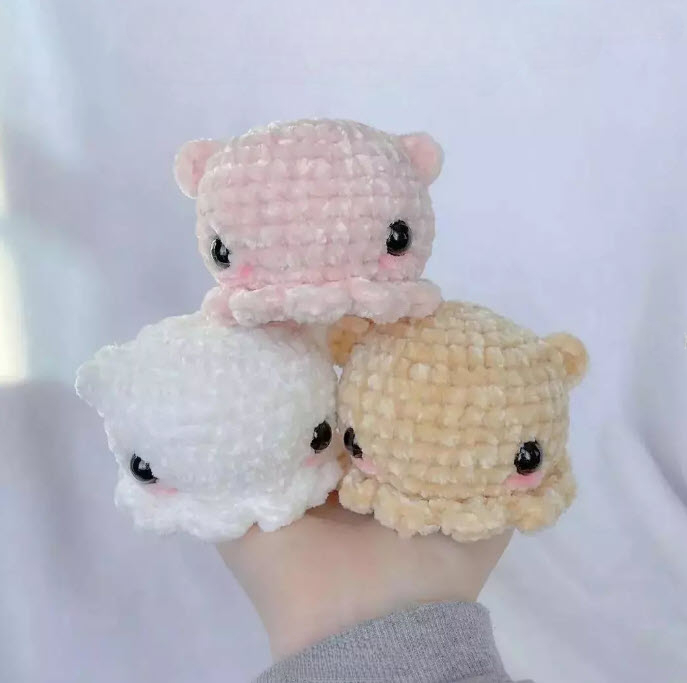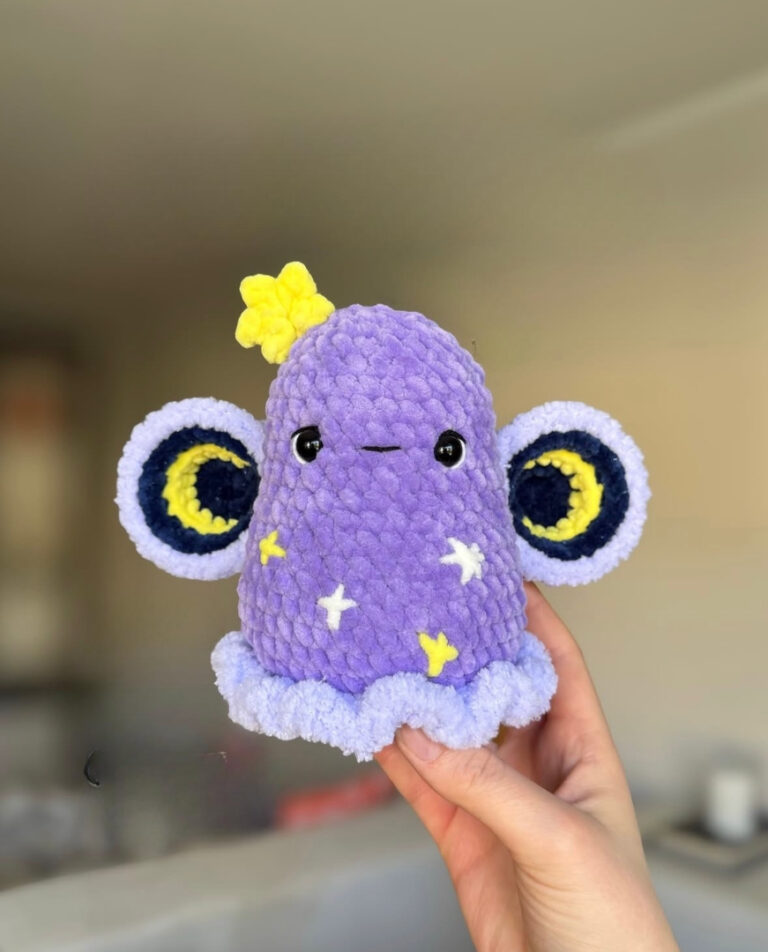
Awesome Crochet Fish Chubby Amigurumi Pattern Toy
Reel in cuteness with Crochet Fish Chubby Amigurumi easy stitches, speedy build, plush squish, and vibrant color options, perfect for beginners and last-minute gifts.
Make a splash with the Awesome Crochet Fish Chubby Amigurumi Pattern Toy a fast, beginner-friendly project that crochets up irresistibly squishy and cute. Clear, round-by-round instructions, minimal sewing, and easy color swaps let you whip up a whole school in an evening.

Perfect for stash-busting, relaxing crafting, and gifting, this cheerful fish brings instant joy. Customize size, add safety eyes or embroidered expressions, and enjoy a cuddly finish that photographs beautifully.
uses:
- Cute desk buddy or decor
- Sweet baby shower gift
- Keychain, bag charm, or plush play

Awesome Crochet Fish Chubby Amigurumi Pattern Toy (Beginner-Friendly)
Welcome to your next cheerful, stash-busting make! This chubby crochet fish amigurumi is squishy, colorful, and delightfully fast to finish, perfect for gifting, decorating, or simply brightening your desk. The pattern is written with beginners in mind, yet it still offers playful customization for experienced makers. Moreover, it uses minimal sewing, works up in continuous rounds, and invites creative color play. Therefore, grab your favorite yarns, settle in with some relaxing stitches, and watch your little fish friend take shape before your eyes. Additionally, you’ll find clear steps, helpful tips, and friendly fixes throughout, so you can stitch confidently from start to finish.
Skill Level
Beginner/Easy
Estimated Making Time
2–4 hours (depending on your speed and whether you add stripes and surface details)
Finished Size
- Approx. 4.5–5.5 in (11.5–14 cm) long and 3–3.5 in (7.5–9 cm) tall when made with worsted weight yarn and a 3.5 mm hook.
Gauge
Gauge is not critical for amigurumi; however, aim for tight stitches that prevent stuffing from showing.
- As a reference: about 16–18 sc and 18–20 rows per 4 in (10 cm) with a 3.5 mm hook and worsted weight yarn (worked tightly).
Consequently, if you can see stuffing through the fabric, size down your hook.
Materials (with exact measurements)
Gather your supplies before you begin; consequently, your workflow will feel smoother.
- Worsted weight (Category 4) cotton or acrylic yarn:
- Main color (MC): 35–45 g (approx. 75–95 m / 80–104 yd)
- Contrast color (CC) for stripes/fins: 10–20 g (approx. 20–40 m / 22–44 yd)
- Crochet hook: 3.5 mm (E-4). Additionally, keep a 3.25 mm (D-3) handy if your stitches are naturally loose.
- Safety eyes: 8 mm pair (or embroider eyes for babies under 3 years)
- Fiberfill stuffing: 20–30 g
- Tapestry needle: size 16–18
- Stitch marker: 1 (for tracking rounds)
- Scissors
- Optional: small rattle insert, squeaker, or crinkle paper; powder blush or fabric paint for cheeks
Stitch Abbreviations (US terms)
- MR = Magic Ring
- ch = chain
- sc = single crochet
- inc = increase (2 sc in the same stitch)
- dec = invisible decrease (preferred) or standard decrease
- sl st = slip stitch
- BLO = back loop only
- FO = fasten off
Special Techniques
- Continuous rounds: Do not join at the end of each round; instead, use a stitch marker to mark the first stitch of each round.
- Invisible decrease: Insert hook into the front loop of the next two stitches, yarn over, pull through both loops, yarn over, pull through two.
- Jogless stripe (optional): For color changes in the round, complete the last stitch of the old color, then in the next round pull through the new color at the final yarn-over of the first stitch. Alternatively, use a slip stitch and ch 1 before continuing to reduce the jog.
Accordingly, these small refinements keep your fish smooth and polished.
Notes Before You Start
- Keep your tension tight to avoid gaps; likewise, choose a smaller hook if stuffing peeks through.
- Stuff as you go for smoother shaping, especially after you begin decreasing.
- Place the eyes before fully stuffing and closing the body. Consequently, you’ll find it easier to get a balanced, cute expression.
Step-by-Step: Body (Worked in the Round)
Use MC unless otherwise noted. Place a stitch marker at the first stitch of each round; then, keep counting to maintain symmetry.
- R1: MR, 6 sc into ring (6)
- R2: inc around (12)
- R3: (sc, inc) x6 (18)
- R4: (2 sc, inc) x6 (24)
- R5: (3 sc, inc) x6 (30)
- R6: (4 sc, inc) x6 (36)
- R7: (5 sc, inc) x6 (42)
Now shape the chubby belly; consequently, the body gets its signature fullness.
- R8: sc around (42)
- R9: sc around (42)
- R10: sc around (42)
- R11: sc around (42)
- R12: sc around (42)
Optional stripes:
- For a simple stripe, switch to CC for R10 and R11, then return to MC at R12.
- To reduce color jogs, use the jogless stripe method described above. Additionally, change colors at the back of the fish for the neatest look.
Eye placement:
- Insert safety eyes between R10 and R11, 7–8 stitches apart (centered horizontally). Adjust spacing to taste. Do not attach backs yet; instead, preview placement and expression first.
Start decreasing so the fish rounds off seamlessly.
- R13: (5 sc, dec) x6 (36)
- R14: (4 sc, dec) x6 (30)
- R15: (3 sc, dec) x6 (24)
Begin stuffing:
- Add a moderate amount of stuffing and shape as you go. Consequently, the fish will keep a smooth, rounded belly.
- R16: (2 sc, dec) x6 (18)
- R17: (sc, dec) x6 (12)
- Add more stuffing. Ensure the belly is full but not lumpy.
- R18: dec around (6)
- FO, leaving a short tail. We will cinch the hole closed with the tapestry needle using a woven finish. Then, attach eye backs securely.
Tip: If you want a slightly longer fish, add one more increase round to 48 sts (R8: 48), then work 5–7 rounds even before decreasing. Conversely, for a smaller fish, stop increasing at 36 sts and shorten the even rounds. As a result, you can size your fish without changing the stitch vocabulary.
Fins and Tail
Make fins in your CC or another fun color. You can lightly stuff tail and dorsal fins if you want them more structured; however, it isn’t necessary.
A) Tail Fin (Double-Layer Leaf, Worked Flat; Make 2)
- Row 1: Ch 7. Starting in 2nd ch from hook: sc, hdc, dc, tr, dc, 3 sc in last ch; rotate to work on the opposite side of the chain: dc, tr, dc, hdc, sc. Sl st to first sc. FO, leaving a long tail for sewing.
- Make a second identical leaf. Then place them back-to-back (wrong sides facing) and whipstitch around the edges for a sturdy, double-layer tail. Alternatively, you can crochet the two pieces together with sc for a neat border.
- Attach the tail centered at the back of the body (opposite the eyes). Angle it slightly upward for a playful look; consequently, the silhouette appears lively.
B) Dorsal Fin (Top Fin; Make 1)
- Row 1: Ch 5. Starting in 2nd ch from hook: sc, hdc, dc, 3 dc in last ch; rotate to the opposite side of the chain: dc, hdc, sc. Sl st to first sc. FO, leaving a long tail for sewing.
- Sew along the top center of the body, about 3–4 rounds behind the eye line. Meanwhile, check the fish from the front to keep the fin straight.
C) Side Fins (Pectoral Fins; Make 2)
Option 1 (Tiny Leaf):
- Row 1: Ch 4. Starting in 2nd ch from hook: sc, hdc, 3 dc in last ch; rotate to the opposite side of chain: hdc, sc. Sl st to first sc. FO with a long tail.
Option 2 (Simple Circle): - R1: MR, 6 sc into ring, sl st to close. FO with a long tail.
- Sew one fin to each side at about the midpoint of the body’s height and roughly 1–2 stitches behind the eyes. Accordingly, both fins should align horizontally.
D) Optional Belly Fin (Ventral Fin; Make 1)
- R1: MR, (sc, hdc, dc, hdc, sc) into ring, tighten, sl st to first sc, FO.
- Sew to the underside about 3–4 rounds behind the eyes for extra cuteness. Additionally, keep stitches shallow so they don’t show on the belly.
Facial Features and Details
- Mouth: Using MC or a darker yarn, embroider a tiny smile or pout beneath and centered between the eyes. A small horizontal bar with a tiny V in the middle looks adorable; moreover, it’s very quick.
- Cheeks: Lightly dab blush or embroider two tiny circles with pink yarn. Alternatively, add a single French knot for a dotted blush.
- Stripes: Surface slip-stitch a stripe from tail to belly for “scale” detail, or stitch short vertical lines for a whimsical look. Consequently, your fish gains texture without complicating the pattern.
Special Features of This Pattern
- Beginner-friendly stitches and repeats
- Minimal sewing: just fins and tail
- Customizable size with simple yarn/hook changes
- Works up quickly for last-minute gifts
- Optional jogless stripes for smooth color transitions
- Rounded, chubby silhouette for a squishably cute finish
Finishing Tips
- Closing the body: Thread the tail end through the front loops of the remaining 6 stitches and pull tight to close. Weave in securely; then, tug gently to settle the cinch.
- Shaping: After stuffing and closing, gently roll the body between your hands to even out lumps. Additionally, pinch a slight indentation where the mouth goes to enhance the face.
- Seam hiding: When sewing fins, insert the needle slightly under a stitch and emerge one stitch over to avoid visible entry/exit holes. Consequently, your seams will nearly disappear.
- Jogless stripes: If you used stripes, finish the last stripe with an invisible join for a smoother look.
- Weaving ends: Draw yarn tails into the body and out a different spot, tug gently to bury the end, then clip close. Accordingly, the tails won’t pop back out.
Common Mistakes and How to Fix Them
- Gaps showing stuffing: Your hook is likely too large or your tension too loose. Use a 3.25 mm hook or tighten your grip slightly. Furthermore, avoid over-stretching stitches during stuffing.
- Lopsided shape: Stitch counts may have wandered. Mark the first stitch of each round and count periodically, especially during increase/decrease rounds. As a result, symmetry will improve.
- Visible color jogs: For striping, use the jogless stripe method and change colors at the back of the fish. Pull tails snugly and weave carefully; likewise, block lightly if needed.
- Overstuffing near closing: Add stuffing gradually. Consequently, you’ll prevent the closing round from puckering.
- Eyes placed too far apart or too high: Before attaching backs, step back and check symmetry. Adjust by 1–2 stitches as needed; then, secure the washers firmly.
Variations You’ll Love
- Rainbow School: Make multiple fish in vibrant rainbow colors, each with different stripe patterns. Consequently, your display will look charming as a group.
- Tiny Keychain Fish: Use DK (Category 3) yarn and a 2.75–3.0 mm hook; add a keychain ring to the dorsal fin. Additionally, embroider eyes for durability.
- Jumbo Plush: Use bulky (Category 5) chenille yarn and a 5 mm hook for a soft, palm-sized plush. As a bonus, it works up even faster.
- Rattle or Squeaker: Insert a rattle or squeaker core in the center. Be sure it’s well-secured and eyes are embroidered for baby safety.
- Textured Scales: Every 5th stitch, work a small bobble (3–4 partial dc puffs) in a stripe band to mimic scales. Alternatively, alternate one round in BLO to create a subtle ridge.
- Nautical Stripe: Alternate two rounds MC with one round CC, using jogless changes for a clean spiral.
- Cat Toy: Use cotton yarn and add a pinch of catnip in the stuffing; embroider features only. Consequently, the toy stays safe and washable.
Tutor Suggestions (Learn-As-You-Go Pointers)
- Magic Ring: If you’re new to the MR, practice a few times before starting. Alternatively, ch 2 and work R1 into the 2nd ch from hook.
- Invisible Decrease: This technique keeps the body smooth. Watch your tension; keep the front loops aligned so the decrease doesn’t twist.
- Color Change Confidence: Change colors at the final yarn-over of the stitch before the new round begins for a clean transition. Likewise, carry the unused color snugly to avoid floats.
- Stitch-Counting Rhythm: Count aloud or use tally marks per round; consequently, you’ll reduce frogging later.
- Gentle Stuffing: Use small tufts and the back of your hook or a stuffing tool to position fiber evenly. Therefore, lumps are less likely.
Homemade Texture Ideas
- BLO Rounds: Work one or two body rounds in BLO to create a subtle ridge that reads as a “gill” line.
- Surface Crochet: Add thin, wavy lines along the body with surface slip stitches to suggest scales or ripples. Additionally, try metallic thread for a shimmer.
- Bobble Band: Insert a single band of tiny bobbles at R9 or R10 for a playful, tactile stripe.
- Brushed Finish: If using acrylic, lightly brush with a slicker brush for a fuzzy, plush look—test first to avoid pilling. Consequently, the fish feels extra cuddly.
Sizing Tips
- Yarn Weight:
- Smaller: Use DK (3) yarn and a 3.0 mm hook to reduce size by roughly 15–20%.
- Larger: Use bulky (5) yarn with a 5.0 mm hook to increase size by 25–35%.
- Hook Choice: For amigurumi, choose the smallest hook that still allows you to insert the hook smoothly. If you see stuffing, size down.
- Eye Size: Scale eyes proportionally. For smaller fish, try 6 mm eyes; for larger, 10–12 mm eyes.
- Proportion Tweaks: Add or remove one “even” round in the belly section to elongate or shorten the body. Accordingly, you can fine-tune the silhouette.
Level of Difficulty (Detailed)
Beginner/Easy: Uses sc, increases, and decreases in continuous rounds; simple seaming for fins and tail; optional basic embroidery for face. Therefore, no complex shaping is required; consequently, it’s suitable for first-time amigurumi makers.
Care Instructions
- Spot clean with mild soap and water.
- For cotton yarns, gentle hand wash and air dry flat. Avoid high heat, which can affect safety eye washers. Additionally, avoid bleach or vigorous wringing.
Safety Notes
- For children under 3, omit safety eyes and embroider features securely.
- Ensure all parts are firmly sewn and ends are woven in deeply. Furthermore, inspect the toy periodically for loose parts.
Troubleshooting at a Glance
- Body looks hexagonal: This can happen when increases stack. Rotate your starting point by shifting the stitch marker one stitch to the left every round, or simply roll the piece between your hands after stuffing to smooth it out. As a result, the shape rounds out.
- Fins won’t lie as desired: Steam-block just the fin edges lightly (hovering steam, no touching) to set the curve. Alternatively, pin and mist with water to dry-block.
- Stripe tension differences: Keep a relaxed but consistent tension when changing colors. Additionally, pull up the new color to stitch height before completing the stitch.
Assembly Summary
- Sew tail fin to the rear center of the body; angle it slightly for personality.
- Attach dorsal fin on top, centered and aligned with the body’s midline.
- Sew side fins symmetrically behind the eyes.
- Embroider mouth and cheeks; add optional surface stripes.
- Weave in all ends securely; then, shape with hands.
Why You’ll Love This Make
It’s a satisfying, low-commitment project that still feels surprisingly polished. It offers many opportunities for personalization without adding complexity. Consequently, it’s ideal for craft fairs, quick gifts, baby showers, classroom rewards, and desk decor. Moreover, it pairs beautifully with leftover yarns, so you can turn scraps into smiles.
Suggested Images and Alt Text (for SEO)
- Image 1: A group of colorful plush fish arranged on a white background
- Alt: “Chubby Crochet Fish Amigurumi Pattern in rainbow colors”
- Image 2: Close-up of the fish body showing tight stitches and stripes
- Alt: “Chubby crochet fish amigurumi with jogless stripes”
- Image 3: Step-by-step photo of the tail fin pieces before assembly
- Alt: “Crochet tail fins for chubby fish amigurumi pattern”
- Image 4: Finished fish in a child’s hand to show scale
- Alt: “Small chubby fish amigurumi toy made with beginner crochet pattern”
- Image 5: Top view highlighting dorsal and side fins
- Alt: “Cute crochet fish plush with dorsal and pectoral fins”
Accordingly, use the focus keyphrase or synonyms like “chubby crochet fish,” “crochet fish amigurumi,” and “amigurumi fish pattern” in alt attributes and captions to improve discoverability.
- Alt: “Cute crochet fish plush with dorsal and pectoral fins”
Quick Reference Pattern (Body Only)
- R1: 6 sc in MR (6)
- R2: inc around (12)
- R3: (sc, inc) x6 (18)
- R4: (2 sc, inc) x6 (24)
- R5: (3 sc, inc) x6 (30)
- R6: (4 sc, inc) x6 (36)
- R7: (5 sc, inc) x6 (42)
- R8–R12: sc around (42) [add stripes as desired]
- Place eyes between R10–R11, 7–8 sts apart
- R13: (5 sc, dec) x6 (36)
- R14: (4 sc, dec) x6 (30)
- R15: (3 sc, dec) x6 (24)
- Stuff
- R16: (2 sc, dec) x6 (18)
- R17: (sc, dec) x6 (12)
- R18: dec around (6), FO, close
- Meanwhile, have fun mixing colors, playing with textures, and creating your own adorable school of fish. Finally, enjoy the process, happy stitching.