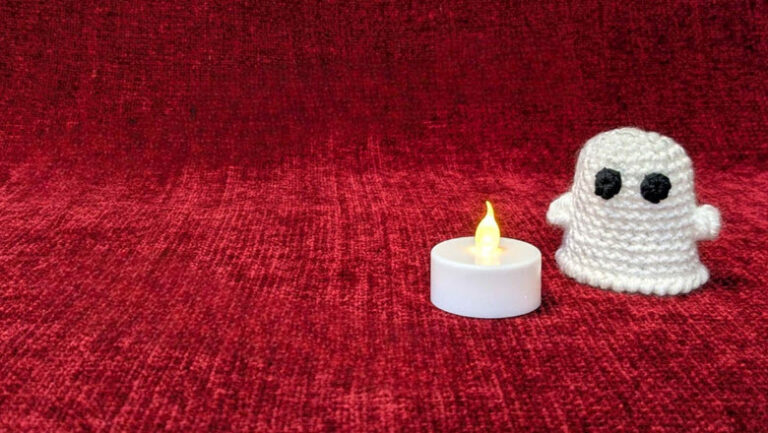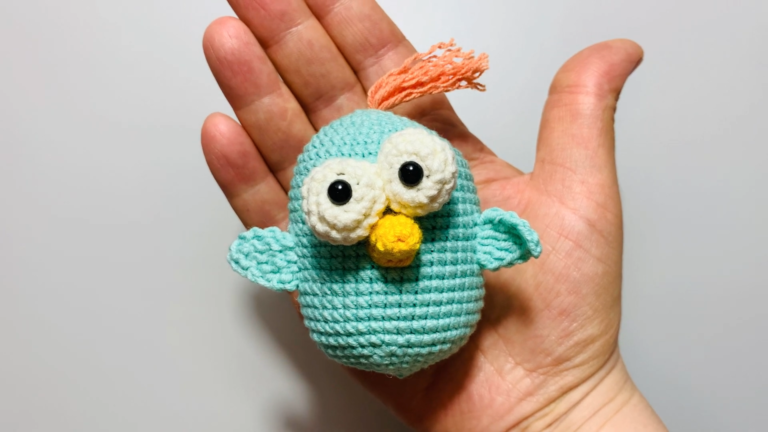
Amazing Crochet Chibi Kodama Charm Amigurumi Pattern
Make a cute, tiny forest spirit with this easy Crochet Chibi Kodama Charm pattern. Quick to crochet, fun to customize, perfect for keychains, bags, small gifts, or decor.
Capture forest magic in the palm of your hand with the Amazing Crochet Chibi Kodama Charm Amigurumi Pattern. Designed for beginners and busy makers, this quick, stress-free project uses basic stitches, minimal sewing, and clear, step-by-step photos for a neat, polished finish.
Customize with safety eyes or embroidery, add blush, and try glow-in-the-dark, pastel, or scrap yarns. A built-in hanging loop turns it into a keychain or strap, and resizing is easy by changing hooks and yarn weight. Perfect for stash-busting, last-minute gifts, and market stock, with shaping notes, assembly pointers, and tidy finishing tips included.
Uses:
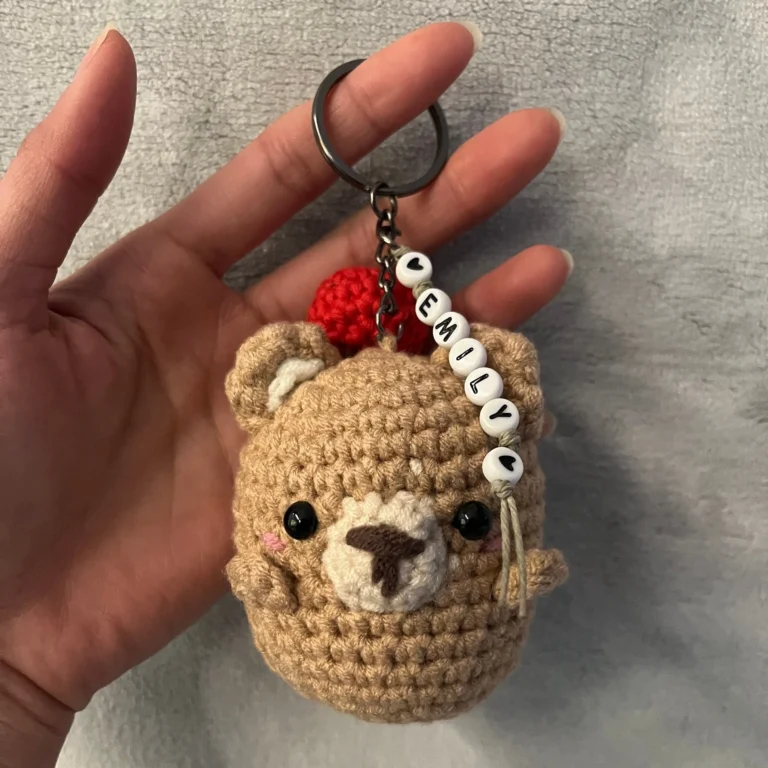
Keychain or bag charm
Small gift or party favor
Desk decor or plant buddy

Amazing Crochet Chibi Kodama Charm Amigurumi Pattern
A warm, engaging introduction
Ready to stitch a tiny forest spirit that sparkles with charm? This Amazing Crochet Chibi Kodama Charm is designed for beginners, yet it delights experienced makers with its quick pace and clever construction. Moreover, the pattern uses simple stitches, minimal sewing, and a built-in hanging loop, so you can finish confidently in a single sitting. In addition, you’ll find clear sizing tips, precise material measurements, and time estimates for every step, which means planning your craft time becomes effortless. Finally, because customization is encouraged, you can choose safety eyes or embroidery, add blush, and experiment with glow-in-the-dark or pastel yarns for even more magic.
Level of Difficulty
- Skill level: Confident beginner
- Techniques: Magic ring, single crochet (sc), increase, invisible decrease, slip stitch, simple embroidery, and basic assembly
- Pace: Fast and friendly; however, you’ll still learn essential amigurumi shaping skills.
Finished Size and Total Time
- Finished size (with DK/light worsted yarn and 2.5 mm hook): approximately 6.5–7.5 cm tall (2.6–3 in) and 4.5–5 cm wide (1.8–2 in)
- Total making time: about 60–90 minutes for beginners; 45–60 minutes for experienced crocheters
- Additionally, each step includes an estimated time so you can schedule breaks.
Gauge (helpful but not strict)
- With DK cotton and a 2.5 mm hook, a flat circle up to 36 sts (about 6 rounds) should measure roughly 4.8–5.2 cm across.
- If stuffing peeks through, therefore go down a hook size; conversely, if the fabric feels rigid, consider loosening your tension slightly.
Materials (with exact measurements)
- Yarn: DK/light worsted cotton or acrylic
- Main color (white or ivory): 8–10 g (approximately 22–28 m)
- Accent yarn for face (black/charcoal): 0.5–1 g (30–60 cm of yarn or embroidery floss)
- Hook: 2.5 mm (US B/1–C/2); alternatively 3.0 mm for a slightly larger charm
- Safety eyes: 6 mm pair (optional; you can embroider instead)
- Fiberfill stuffing: 5–6 g
- Tapestry needle: 1 piece, with an eye large enough for yarn
- Stitch marker: 1 piece (to track the first stitch of each round)
- Scissors: 1 pair
- Optional blush: soft pastel or fabric-safe blush
- Optional hardware:
Split ring: 20–25 mm
- Jump ring: 4–6 mm
- Lobster clasp (optional): 25–30 mm
- Hanging cord or strong thread: 15–20 cm
- Optional specialty yarn: 8–10 g glow-in-the-dark yarn for a luminous effect
Because exact amounts are small, you can often use leftovers; nevertheless, choose smooth yarns for neater stitches.
Abbreviations and Stitch Notes
- MR: magic ring
- ch: chain
- sc: single crochet
- inc: increase (2 sc in the same stitch)
- dec: invisible decrease (front-loop-only of next 2 sts, pull through, then complete sc)
- sl st: slip stitch
- st/sts: stitch/stitches
- FLO/BLO: front/back loop only (used only if noted)
- Work in continuous rounds; do not join unless instructed.
- Importantly, move your stitch marker at the start of each round for accuracy.
Special Features
- Built-in hanging loop integrated at the crown
- Minimal sewing options, including no-sew nub arms
- Flexible face details: safety eyes or embroidered features
- Straightforward shaping that scales up or down easily
- Clean finishing strategy for smooth silhouettes and sturdy hardware
Safety Note
If gifting to a child under three, avoid safety eyes. Instead, choose secure embroidery and, additionally, lock all knots inside the piece.
Sizing Tips
- To size up: use worsted yarn with a 3.25–3.5 mm hook; as a result, you’ll get approximately 8.5–10 cm height.
- To size down: use sport-weight yarn and a 2.25 mm hook; consequently, expect about 5–6 cm height.
- For best proportions, keep the head roughly the same height as the body; otherwise, the charm may lose its chibi balance.
Step-by-Step Pattern (with time estimates)
All instructions assume DK yarn and a 2.5 mm hook. Additionally, keep your tension firm to avoid gaps.
- Crown and Built-in Hanging Loop (Estimated time: 5 minutes)
- ch 10.
- Without twisting, sl st to first ch to form a loop.
- ch 1 (does not count as a stitch).
- Next, work 6 sc evenly around the loop, inserting the hook through the loop as if it were a ring foundation. Place a stitch marker in the first sc.
- Because the loop is integral, straighten it occasionally so it sits neatly on top.
- Head: Increase Rounds (Estimated time: 15–20 minutes)
- R1: 6 sc around the loop base (6)
- R2: inc around (12)
- R3: (sc, inc) x 6 (18)
- R4: (2 sc, inc) x 6 (24)
- R5: (3 sc, inc) x 6 (30)
- R6: (4 sc, inc) x 6 (36)
- R7–R9: sc around (36 each round)
Because these rounds form the head sphere, keep counts accurate; moreover, use your marker religiously so you don’t drift.
- Head: Shape and Eye Placement (Estimated time: 10–12 minutes)
- R10: (4 sc, dec) x 6 (30)
- R11: (3 sc, dec) x 6 (24)
Before you proceed, decide on your face method: - For safety eyes: place them between R7 and R8, spaced 6–7 sts apart (about 1.3–1.6 cm). Adjust until the expression feels balanced; then attach the backs.
- For embroidery: mark positions with pins; alternatively, baste tiny thread dots so you can refine spacing later.
- R12: (2 sc, dec) x 6 (18)
- Lightly begin stuffing the head. Add small tufts; therefore, you’ll avoid lumps.
- R13: (sc, dec) x 6 (12)
- Transition: Neck Stabilizer (Estimated time: 5 minutes)
- R14: sc around (12)
At this point, add a touch more stuffing to firm up the neck. Consequently, the head will not wobble.
- Body: Round-by-Round Instructions (Estimated time: 20–25 minutes)
We’ll expand outward, then taper to create a cute chibi belly.
- R15: (sc, inc) x 6 (18)
- R16: (2 sc, inc) x 6 (24)
- R17: (3 sc, inc) x 6 (30)
- R18–R19: sc around (30 each round)
- R20: (3 sc, dec) x 6 (24)
- R21: sc around (24)
- R22: (2 sc, dec) x 6 (18)
- Begin stuffing the body; importantly, keep the neck area firm.
- R23: (sc, dec) x 6 (12)
- Add the final stuffing; then check for symmetry from all angles.
- R24: dec around (6)
- Cut yarn, leaving a 12–15 cm tail. Thread the tail through the FLO of the last 6 sts and pull to close; subsequently, weave the tail securely inside.
Body shaping tip: If you prefer a plumper tummy, insert an extra plain round at 30 sts (add R18 or R19 once more). Conversely, skip one plain round for a slimmer silhouette.
- Arms: Choose Your Method
Option A: No-Sew Nub Arms (Estimated time: 6–8 minutes)
- With the face toward you, locate the side stitches around R18–R19.
- Join yarn at the left side; then ch 1.
- In the same spot, work (sc, ch 2, sc) to form a small nub.
- Next, sl st in the neighboring st to anchor; fasten off and weave the tail inside.
- Repeat on the right side, mirroring the placement.
This option is speedy; moreover, it sits flush for keychains that experience friction.
Option B: Sew-On Tiny Tube Arms (Estimated time: 12–15 minutes, including sewing)
Make 2:
- R1: MR, 4 sc (4)
- R2–R3: sc around (4 each)
- Fasten off, leaving a 15–18 cm tail for sewing.
- Lightly pinch each tube to flatten. Then, sew to the sides at R18–R19 with a few small stitches, angling slightly forward for a welcoming pose.
- Afterward, knot and bury tails securely.
- Face: Safety Eyes or Embroidery (Estimated time: 8–12 minutes)
- Safety eyes: Confirm spacing and symmetry; then press the backs firmly. Optionally, add a tiny felt washer under each post for extra grip.
- Embroidery: Thread a 30–40 cm strand of black yarn or floss.
- Eyes: Make small ovals 3–4 mm wide using 3–4 horizontal satin stitches; then outline with backstitch if you want bolder edges.
- Mouth: Stitch a tiny dot or a short dash 2–3 sts below and centered between the eyes.
- Optional blush: With pastel, gently dust circles under each eye; consequently, the face appears softer.
Because embroidery can shift tension slightly, reshape the head with your fingers afterward.
- Attach Hardware and Final Touches (Estimated time: 5–7 minutes)
- Slip a jump ring through the built-in loop; subsequently, attach it to a split ring or lobster clasp. Close the jump ring tightly using two pairs of pliers.
- Alternatively, thread a 15–20 cm cord through the loop and tie a square knot. Then attach to your favorite keychain, zipper pull, or bag strap.
- Finally, roll the charm gently between your palms to smooth the fabric and even the stuffing.
Making Time Overview For (Crochet Chibi Kodama Charm Amigurumi)
- Crown and loop: 5 minutes
- Head increases and shaping: 25–30 minutes
- Neck transition: 5 minutes
- Body rounds: 20–25 minutes
- Arms: 6–15 minutes
- Face details: 8–12 minutes
- Hardware and final touches: 5–7 minutes
Altogether, you’ll likely finish within 60–90 minutes.
Finishing Tips for a Polished Look
- Prefer invisible decreases: They reduce bumps on decrease rounds; consequently, your seams look cleaner.
- Shape actively: After stuffing, pinch, rotate, and gently stretch the fabric to even out the curve; moreover, add or remove tufts as needed.
- Close neatly: When cinching the final 6 sts, stitch through front loops only; then pull the tail in one smooth motion to avoid puckers.
- Manage fuzz: Workwith embroidery with short lengths (30–40 cm), because longer strands tend to fray and tangle.
- Secure ends: Whenever possible, weave tails along the stuffing path; additionally, change direction once to lock the fibers.
Common Mistakes (and How to Fix Them)
- Stitches look gappy: Your hook may be too large; therefore, switch to a smaller size or tighten tension slightly.
- Lumpy stuffing: Add tiny tufts gradually; then redistribute with the blunt end of a hook. If needed, remove a small amount and try again.
- Crooked eyes: Always pin-placement first; afterward, step back and check alignment before committing.
- Wobbly head: Ensure the neck area (R14–R16) is firmly stuffed; moreover, avoid overstuffing the lower body, which can pitch the head forward.
- Twisted loop: At the very beginning, flatten the chain before slip stitching; otherwise, the loop will torque and lean.
- Uneven stitch counts: Move your marker every round; consequently, you’ll catch mistakes early and fix them before shaping goes off-course.
Variations You’ll Love
- Glow Spirit: Use glow-in-the-dark yarn for head and body; then embroider bold features for contrast. Consequently, your charm shines at night.
- Pastel Dream: Try mint, blush, or lavender for a whimsical forest sprite. Additionally, add a tiny embroidered heart on the chest.
- Mossy Sprout: With green yarn, embroider a small leaf or sprout on the crown just beneath the loop; similarly, you can attach a metal leaf charm to the hardware.
- Mini Magnet: Before fully closing the body, flatten the bottom slightly; then glue a strong craft magnet to turn your Kodama into a fridge buddy.
- Soft Rattle: Insert a tiny rattle bead or bell into the head before closing; as a result, it jingles softly when moved.
- Family Trio: Make three sizes using sport, DK, and worsted yarns; then display them together for a woodland set.
Clear, Catchy Sizing Adjustments
- To size up cleanly: Use worsted yarn with a 3.5 mm hook; then add one extra plain round at 30 sts in the body for balance. Expect 8.5–9.5 cm height.
- To size down neatly: Use sport/fingering yarn with a 2.25 mm hook; conversely, remove one plain body round to maintain chibi proportions.
- Maintain proportions: Keep head rounds (through R9) roughly equal to combined neck/top body rounds; otherwise, the charm can look top-heavy.
Care and Durability For (Crochet Chibi Kodama Charm Amigurumi)
- Spot clean with a damp cloth; then air dry thoroughly. Avoid soaking metal hardware.
- For heavy use on a keychain, reinforce the loop by adding 2–3 extra stitches around its base before R2; consequently, it will handle daily wear better.
- Store flat or hanging; moreover, keep away from high heat, which can deform acrylic fibers.
Tutor Suggestions (for teaching or self-study)
- Pre-start strategy: Provide students with an MR practice swatch ahead of time; then begin class at R2 to build confidence quickly.
- Demonstrate decreases twice: First on contrasting yarn, then on a live round; consequently, beginners see both the structure and application.
- Use a “gauge coin”: Share a pre-made 36-st round disk as a visual reference; as a result, students can compare and adjust hooks early.
- Eye placement checkpoint: Have learners pin eyes and get a quick approval; then attach backs to avoid regrets.
- Embroidery warm-up: Offer felt scraps for practicing tiny satin stitches; afterward, move to the actual toy for cleaner results.
- Timeboxing: Split the session into Head (35 minutes), Body (30 minutes), and Finishing (20 minutes), with 5-minute stretch breaks; therefore, energy and focus stay high.
- Accessibility: Recommend ergonomic hooks and cotton/acrylic blends that slide smoothly; additionally, encourage micro-breaks to reduce strain.
Troubleshooting Quick Guide
- The loop slouches: Steam lightly (hover, don’t touch if acrylic). Then shape the loop upright and let it cool.
- Stuffing peeks through: Go down 0.25–0.5 mm in hook size; alternatively, work one round slightly tighter to recover the fabric.
- Bottom puckers: When closing, catch only FLO; then pull steadily rather than yanking. Finally, weave the tail across the center to flatten.
- Eyes won’t sit evenly: Reopen the stuffing slightly, reseat the washers, and compress from inside; consequently, the posts sit flatter.
Why This Pattern Works for Beginners
- Repeating math: Increases and decreases follow predictable (n sc, inc/dec) patterns; therefore, counting feels intuitive.
- Minimal sewing: You can choose fast nub arms; moreover, the only seam is the bottom closure and optional arm attachments.
- Planned pacing: With time estimates per segment, you can pause between milestones; as a result, frustration stays low, and momentum stays high.
Optional Embellishments
- Decorative collar: Before R20, work one FLO round; then continue as written to create a subtle ridge.
- Speckles and freckles: Dot fabric paint lightly and let it dry fully; alternatively, embroider tiny knots using a single strand of floss.
- Leaf charm: Attach a tiny metal or crocheted leaf to the jump ring; consequently, your Kodama feels extra woodland.
Printable Stitch Map (at a glance)
Head and neck:
- R1: 6 (around loop)
- R2: 12
- R3: 18
- R4: 24
- R5: 30
- R6: 36
- R7–R9: 36
- R10: 30
- R11: 24
- R12: 18
- R13: 12
- R14: 12
Body:
- R15: 18
- R16: 24
- R17: 30
- R18–R19: 30
- R20: 24
- R21: 24
- R22: 18
- R23: 12
- R24: 6, close
Arms:
- Nub arms: (sc, ch 2, sc) on side sts; sl st next st to anchor
- Tube arms: MR 4; R2–R3 sc; sew on at R18–R19
Face placement:
- Eyes: between R7–R8, spaced 6–7 sts apart
- Mouth: centered 2–3 sts below the eye line
- Blush: just beneath the eyes, very light
In Case You Prefer a Video
While this written pattern is complete, some makers prefer a watch-along. Therefore, feel free to reference the companion link as you stitch.
You’re Done
Just like that, your tiny Chibi Kodama is ready to charm backpacks, keys, planters, and gift bags. Moreover, once you make one, you’ll likely whip up a whole grove, experimenting with sizes, yarns, and faces. Finally, share your creations, spread the woodland joy, and most importantly, have fun with every stitch!