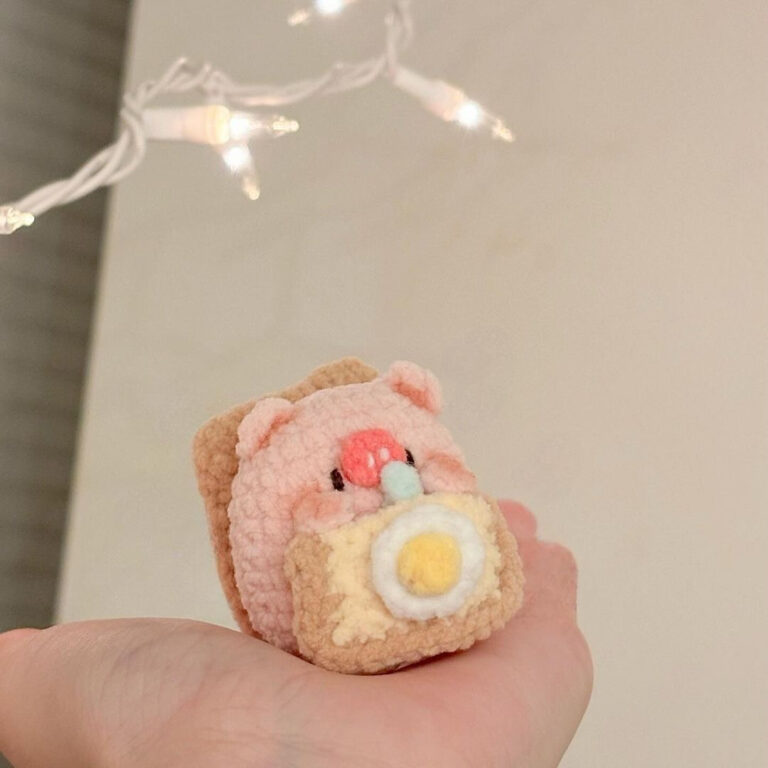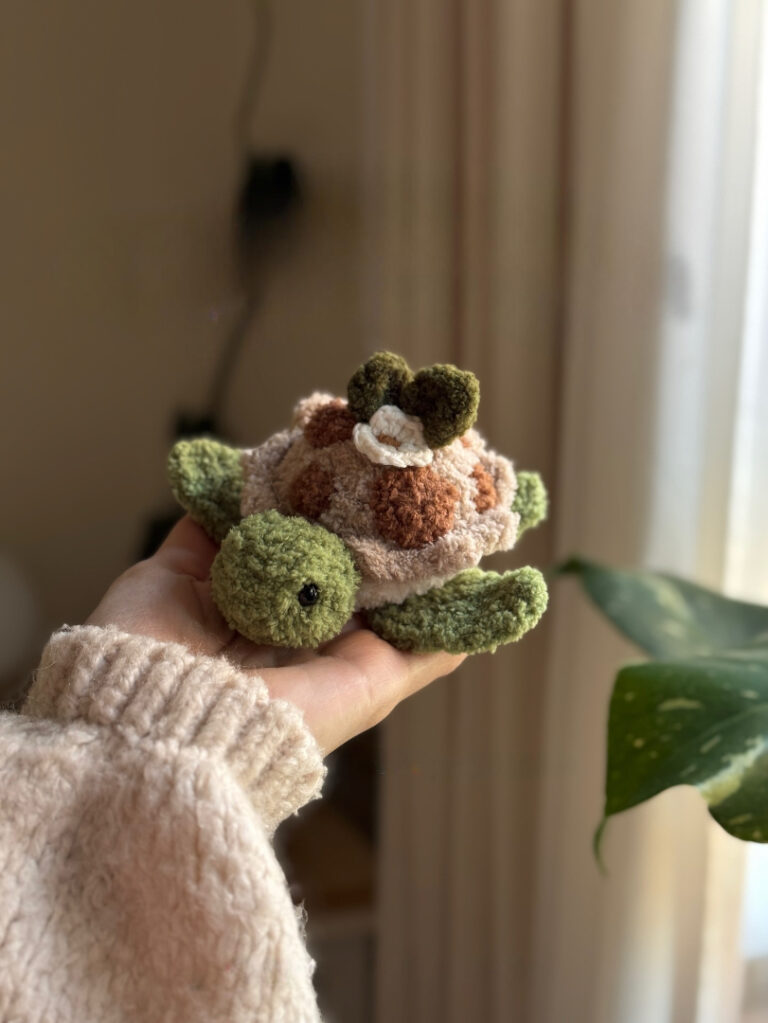
Unique Crochet Little Bear Simple Stuffie Amigurumi Pattern
Stitch a pocket-sized pal with this Unique Crochet Little Bear Simple Stuffie Amigurumi Pattern, clear rounds, soft texture, quick finish, and charming details perfect for gifts, markets, and first-time makers.
Craving a quick, satisfying meal? This Unique Crochet Little Bear, Simple Stuffie Amigurumi Pattern blends step-by-step clarity with cozy texture, so every stitch feels effortless. Because pieces are seamless or lightly sewn, assembly is breezy, and the finish looks polished. Swap colors for classic browns, pastel brights, or speckled tweeds; add a heart patch or bow to personalize.

For sizing, simply adjust the hook and yarn DK for mini bears, worsted for snuggly plushies, while keeping your fabric firm to hide stuffing. Consequently, each bear works up beautifully, even on busy days.
- Keychain or bag charm (mini size)
- Nursery shelf decor or storytime buddy
- Pocket comfort pal for travel
Unique Crochet Little Bear Simple Stuffie Amigurumi Pattern
Because handmade toys feel extra special, this Unique Crochet Little Bear Simple Stuffie Amigurumi Pattern turns a few grams of yarn into a soft, squishy friend that beginners can finish quickly and confidently. Moreover, the design keeps sewing minimal, the shaping simple, and the instructions crystal clear, so your bear looks neat even on your first try. Furthermore, you can scale the size easily, personalize the colors, and add adorable details like a tiny scarf or a heart patch. Consequently, whether you’re crafting a gift, a market plush, or a cozy desk buddy, this simple stuffed bear delivers fast, photogenic results with beginner-friendly techniques.
Finished Size, Sizing Tips, and Gauge
- Typically, a DK/Light-3 yarn with a 2.75–3.0 mm hook measures approximately 12–14 cm (4.75–5.5 inches) tall.
- Alternatively, a worsted/Medium-4 yarn bear with a 3.25–3.5 mm hook measures approximately 15–18 cm (6–7 inches) tall.
- To size down neatly, use sport-weight yarn and a 2.25–2.5 mm hook while keeping tension firm.
- To size up cleanly, use chenille/velvet yarn with a 3.5–4.0 mm hook and remove one “even” round in the head to prevent over-rounding.
- For gauge, aim for a dense fabric with no stuffing peeking through; approximately 15–17 sc per 5 cm (2 inches) in the round with DK yarn and a 2.75–3.0 mm hook. Therefore, if you see gaps, size down your hook; if your hands are tense, size up slightly while keeping stitches tight.
Materials with Exact Measurements (US Terms)
- Main color (MC) for head/body/limbs: DK/Light-3 acrylic or cotton, 28–32 g (approximately 85–100 m).
- Contrast color (CC) for muzzle/inner ears/optional scarf: 6–8 g (approximately 18–25 m).
- Tiny nose or embroidery floss (black or dark brown): 1–2 m.
- Safety eyes: 6–8 mm (pair), or embroidery for kid-safe bears.
- Fiberfill stuffing: 18–25 g, added in small pinches for even shaping.
- Crochet hook: 2.75 mm (C/2) for a firm fabric; alternatively, 3.0 mm for slightly softer fabric.
- Tapestry needle: Size 16–1,8 blunt tip for sewing and embroidering features.
- Stitch marker: 1 locking marker for the first stitch of each round.
- Scissors: small and sharp for trimming ends.
- Optional: small rattle insert, ribbon for a bow, or a felt heart (lightly sewn on).
Because amigurumi looks best with crisp stitches, choose a hook slightly smaller than the yarn label recommends, and keep your tension consistent.
Abbreviations (US Crochet Terms)
- MR = magic ring
- ch = chain
- sc = single crochet
- inc = increase (2 sc in one stitch)
- dec = invisible decrease (front loops only)
- sl st = slip stitch
- st(s) = stitch(es)
- BLO = back loop only
- FLO = front loop only
Additionally, you will work in continuous rounds unless noted; therefore, place a stitch marker in the first stitch of each round and move it up as you go.
Construction Overview and Total Time
- Head and Body (worked as one piece): 45–65 minutes
- Ears (pair): 10–14 minutes
- Arms (pair): 15–20 minutes
- Legs (pair): 18–24 minutes
- Muzzle and Nose: 6–10 minutes
- Assembly and Finishing: 12–18 minutes
- Optional Accessories (scarf/heart): 5–8 minutes
Consequently, most makers finish a complete bear in about 1.5–2 hours, depending on pace, yarn, and size.
Step-by-Step: Head and Body (Minimal Sewing, Smooth Shaping)
- Time: 45–65 minutes total
Because a clean silhouette starts with steady increases and snug stitches, follow the counts carefully and stuff gradually.
Head
- R1: MR, 6 sc (6). Because a tight start prevents gaps, snug the ring firmly.
- R2: inc around (12). Consequently, place 2 sc in each stitch for an even circle.
- R3: (sc, inc) x 6 (18). Additionally, move your stitch marker up each round.
- R4: (2 sc, inc) x 6 (24). Therefore, keep tension consistent for a smooth edge.
- R5: (3 sc, inc) x 6 (30). Moreover, flatten lightly to confirm roundness.
- R6: (4 sc, inc) x 6 (36). Consequently, the head’s diameter is established.
- R7–R10: sc around (36) for 4 rounds. Additionally, these “even” rounds create the head height.
- R11: (4 sc, dec) x 6 (30). Because invisible decreases reduce dimples, use FLO dec.
- R12: (3 sc, dec) x 6 (24). Furthermore, begin adding a light layer of stuffing.
- R13: (2 sc, dec) x 6 (18). Additionally, add more stuffing in small pinches.
- R14: (sc, dec) x 6 (12). Consequently, the head will gently close at the neck.
Eye placement (during R8–R10):
- If using safety eyes, insert 6–8 mm eyes between R8 and R9, approximately 6–7 stitches apart, centered horizontally. Alternatively, embroider sleepy eyes later with backstitch. Because safety eyes require interior washers, add them before stuffing fully.
Transition to Body (worked immediately after head)
12) R15: (sc, inc) x 6 (18). Therefore, widen at the neck for a stable body.
- R16: (2 sc, inc) x 6 (24). Moreover, keep stuffing firm but not hard.
- R17: (3 sc, inc) x 6 (30). Consequently, the body achieves a cuddly roundness.
- R18–R22: sc around (30) for 5 rounds. Additionally, pause to stuff as you go so the shape stays even.
- R23: (3 sc, dec) x 6 (24). Because tapering should be gradual, keethe p decreases consistently.
- R24: (2 sc, dec) x 6 (18). Furthermore, add more stuffing to fill out the belly.
- R25: (sc, dec) x 6 (12). Additionally, stop adding stuffing when the opening gets small.
- R26: dec around (6). Finally, fasten off and close the hole by weaving the tail through the front loops of the last round and cinching gently.
Sizing options for the body:
- To create a chubbier bear, add one extra “even” round at R19–R22. Conversely, to create a slimmer bear, remove one “even” round from that section.
- To elongate the body slightly, add one extra increase round at R17 to reach 36 sts, then work one fewer even round to compensate.
Estimated time per segment:
- Head increases and even rounds (R1–R10): 18–25 minutes
- Head decreases and neck transition (R11–R15): 10–15 minutes
- Body even rounds and taper (R16–R26): 17–25 minutes
Step-by-Step: Limbs, Ears, and Muzzle (Small Pieces, Big Personality)
Because these pieces are quick, you can batch them to save time.
Ears (make 2)
- Time: 5–7 minutes each
- R1: With MC, MR, 6 sc (6).
- R2: (sc, inc) x 3 (9).
- R3: sc around (9).
- R4: (2 sc, inc) x 3 (12).
- R5: sc around (12), then flatten the ear, do not stuff, and leave a 15–20 cm tail for sewing.
Additionally, for a slightly larger ear, add one more even round at 12 sts.
Arms (make 2)
- Time: 7–10 minutes each
- R1: With MC, MR, 6 sc (6).
- R2: (sc, inc) x 3 (9).
- R3–R7: sc around (9) for 5 rounds; optionally stuff the lower half only.
- R8: pinch the top flat and sc across both layers to close (4–5 sts), then fasten off with a tail for sewing.
Moreover, for stubby arms, reduce one even round; for longer arms, add one.
Legs (make 2)
- Time: 9–12 minutes each
- R1: With MC, MR, 6 sc (6).
- R2: inc around (12).
- R3: (3 sc, inc) x 3 (15).
- R4–R6: sc around (15) for 3 rounds; lightly stuff.
- R7: (3 sc, dec) x 3 (12).
- R8: sc around (12); add a little more stuffing.
- R9: pinch the top and sc across both layers to close (6 sts), then fasten off with a tail.
Consequently, these feet look stable and cute without complicated shaping.
Muzzle
- Time: 6–8 minutes
Option A: Oval muzzle (CC)
- Ch 5; starting in 2nd ch from hook: sc 3, 3 sc in last ch; continue on the other side of the chain: sc 2, 2 sc in last space (10).
- Next round: sc around, placing inc at each end to keep the oval smooth (14–16 total depending on placement); fasten off with a long tail.
Option B: Simple round muzzle (CC) - MR, 6 sc; next round inc around (12); fasten off with a tail.
Additionally, embroider a small triangular nose with black floss at the lower center and a short vertical line beneath it.
Assembly and Finishing
- Time: 12–18 minutes
Because neat assembly elevates your plush, pin pieces before stitching permanently.
- First, position the ears symmetrically between R4 and R6 of the head, slightly angled outward. Then, sew using small whip stitches and secure tails inside.
- Next, place the muzzle centered between the eyes, slightly below their line, and ladder stitch around the edge. Additionally, stuff the muzzle very lightly as you close, so it looks softly rounded.
- Then, attach the arms to the sides of the body around R18–R19, aiming for a friendly, forward angle. Furthermore, sew the legs at the base of the body with a slight outward splay for balance.
- Finally, weave in all ends securely and massage the bear to even out stuffing. Consequently, your bear will sit or stand more naturally.
Optional face details
- If you skipped safety eyes, embroider eyes with small curves using backstitch or tiny horizontal bars for a sleepy look. Moreover, add a little blush with a fabric pen or a touch of pink yarn.
Basic Tips for Beginners
- Firstly, count stitches at the end of every round so your increases and decreases stay aligned. Secondly, move your stitch marker up each round for consistency. Thirdly, take short breaks to relax your hands if you feel tension building.
- Additionally, use invisible decreases (front loop only) so the surface remains smooth and dimple-free. Consequently, your head and body will look professionally shaped.
- Furthermore, stuff gradually in pinch-sized amounts while rotating the piece; therefore, you will avoid lumps and flat spots.
- Moreover, maintain a consistent hook angle and yarn tension, since small changes can alter the bear’s size and symmetry.
- Finally, choose a slightly smaller hook than the label suggests to minimize gaps, especially if your yarn is slippery or lightly spun.
Common Mistakes and How to Fix Them
- Lopsided head or body: Often, a missed increase or decrease is the culprit. Therefore, recount after each shaping round and adjust immediately. Additionally, you can gently massage acrylic stuffing to redistribute volume if needed.
- Gaps showing stuffing: Usually, the hook is too large. Consequently, size down by 0.25–0.5 mm, or tighten tension slightly. Moreover, add a thin outer layer of stuffing after shaping to smooth the silhouette.
- Pointy “corners” at increases: Sometimes, increases stack accidentally. Therefore, stagger your increases each round or rotate the starting point by one stitch. Additionally, avoid pulling inc stitches too tightly.
- Puckered decreases: If decreases look bumpy, switch to invisible FLO decreases and keep yarn snug but not tight. Furthermore, avoid overstuffing near tight decrease clusters.
- Wobbly limbs: Because attachment points carry stress, sew with small, even stitches and double back once for strength. Moreover, weave tails in opposite directions to lock them inside.
- Misplaced eyes: If safety eyes are already locked, consider adding a small felt eyelid or embroidered brow to rebalance expression. Alternatively, use embroidered eyes from the start for kid-safe flexibility.
Variations and Personalization
- Color play: For a classic look, choose warm browns or caramels; alternatively, try pastel bears, speckled tweeds, or ombré yarns for modern vibes. Moreover, mix MC and CC for ears and paws to add contrast.
- Texture swaps: For a luxe plush, use velvet chenille and a slightly larger hook; consequently, reduce one even round in the head to keep proportions round but not oversized. Additionally, select cotton for crisp stitch definition or acrylic for easy care.
- Accessories: Add a tiny scarf (ch 45–55, sc back across), a bow (small rectangle cinched in the center), or a felt heart stitched to the chest. Furthermore, create a backpack loop by chaining 8–10, attaching at the head, and adding a key ring.
- Animal friends: With minor edits, reuse this Unique Crochet Little Bear Simple Stuffie Amigurumi Pattern to make a bunny (longer ears), a cat (triangle ears and whiskers), or a panda (black/white color blocking). Consequently, you can build a whole menagerie from one base.
- Baby-safe rattle: Insert a small rattle pod deep in the body and embroider all features. Additionally, secure limbs with extra stitches and avoid buttons or hardware.
- Seasonal themes: For holidays, add a red scarf and tiny hat; for spring, crochet a mini flower; for school gifts, embroider initials on the belly patch. Likewise, experiment with rainbow stripes or color-dipped paws.
Care, Maintenance, and Longevity
- Because handmade items deserve gentle care, spot clean with cool water and mild soap. Moreover, blot with a towel and air-dry thoroughly.
- Additionally, avoid high heat and direct sunlight for extended periods to prevent fading or distortion. Consequently, your bear will stay bright and squishy.
- Finally, reshape the toy by rolling it gently between your palms, which evens out stuffing and refreshes contours.
SEO-Friendly Copy That Reads Naturally
Because you may be searching for a Unique Crochet Little Bear Simple Stuffie Amigurumi Pattern, this beginner-friendly tutorial delivers a simple crochet bear pattern with clear rounds, quick assembly, minimal sewing, and adorable results. Moreover, you can scale the size easily, personalize colors, and add accessories for gifts or markets. Furthermore, the included making times, exact measurements, and smooth step-by-step body instructions ensure consistent results without confusion. Consequently, even first-time crocheters can create a cute amigurumi bear that looks professional and feels snuggly.
Optional Quick Accessory Patterns
Mini scarf (fits most sizes)
- Time: 5–6 minutes
- Ch 50 (or length to wrap twice).
- Next, sc in 2nd ch from hook and across; fasten off and weave in ends.
Additionally, for a ribbed look, alternate sc and sl st across.
Tiny heart patch (CC)
- Time: 4–6 minutes
- MR, (ch 2, 3 dc, 1 tr, 3 dc, ch 2, sl st) into ring; close gently.
- Then, stitch to the chest with matching thread. Moreover, tilt slightly for a playful angle.
Troubleshooting Proportions and Sizing
- If the head looks too big, remove one even round from R7–R10. Conversely, if the head looks too small, add one even round there.
- If the belly looks flat, add a handful of stuffing directly behind the muzzle area and one extra even round at R18–R22. Additionally, massage the body after closing to round it out.
- If the bear leans to one side, check that limb attachments are symmetrical and stuffing is balanced. Furthermore, re-distribute stuffing with a tapestry needle by nudging fibers from dense spots to sparse spots.
Photo and Sharing Tips
- Because soft texture loves soft light, photograph near a window with indirect daylight. Additionally, place the bear on a simple background, and angle its ears toward the camera for extra charm.
- Moreover, include the keywords “simple stuffed crochet,” “beginner amigurumi bear,” and “crochet bear pattern” naturally in your caption or alt text. Consequently, your posts will be discoverable without sounding spammy.
Step-by-Step Time Summary (At a Glance)
- Head increases and shaping: 18–25 minutes
- Head decreases and neck: 10–15 minutes
- Body even rounds and taper: 17–25 minutes
- Ears (pair): 10–14 minutes
- Arms (pair): 15–20 minutes
- Legs (pair): 18–24 minutes
- Muzzle and nose: 6–10 minutes
- Assembly and finishing: 12–18 minutes
- Optional accessories: 5–8 minutes
Consequently, even if you have only a short evening, you can finish a small bear or make major progress toward a larger plush.
Complete Pattern Recap (Concise)
- Head: MR 6; 12; 18; 24; 30; 36; even to R10; then (4 sc, dec) x6 = 30; (3 sc, dec) x6 = 24; (2 sc, dec) x6 = 18; (sc, dec) x6 = 12. Place eyes between R8–R9, 6–7 sts apart; lightly stuff as you go.
- Body: (sc, inc) x6 = 18; (2 sc, inc) x6 = 24; (3 sc, inc) x6 = 30; even R18–R22; then (3 sc, dec) x6 = 24; (2 sc, dec) x6 = 18; (sc, dec) x6 = 12; dec around = 6; close neatly.
- Ears: small circles widened to 12 sts, flattened, and sewn.
- Arms/Legs: simple tubes with rounded bottoms, lightly stuffed and closed flat.
- Muzzle: small oval or circle, lightly stuffed, with embroidered nose and smile.
- Finishing: pin, sew, weave ends, shape, accessorize.
Warm Closing and Call to Action
Because crafting is most fun when it’s joyful and relaxed, take your time, enjoy the rhythm of the stitches, and celebrate each tiny milestone as your bear takes shape. Moreover, consider making a matching pair—one pastel and one classic brown to practice size control and tension consistency. Furthermore, ultimately, this Unique Crochet Little Bear Simple Stuffie Amigurumi Pattern is quick, customizable, and irresistibly cute, perfect for beginners, delightful for experts, and ready to brighten a gift box, a nursery shelf, or your own creative corner.