Crochet Gingham Shorts Pattern with Two Tone Design
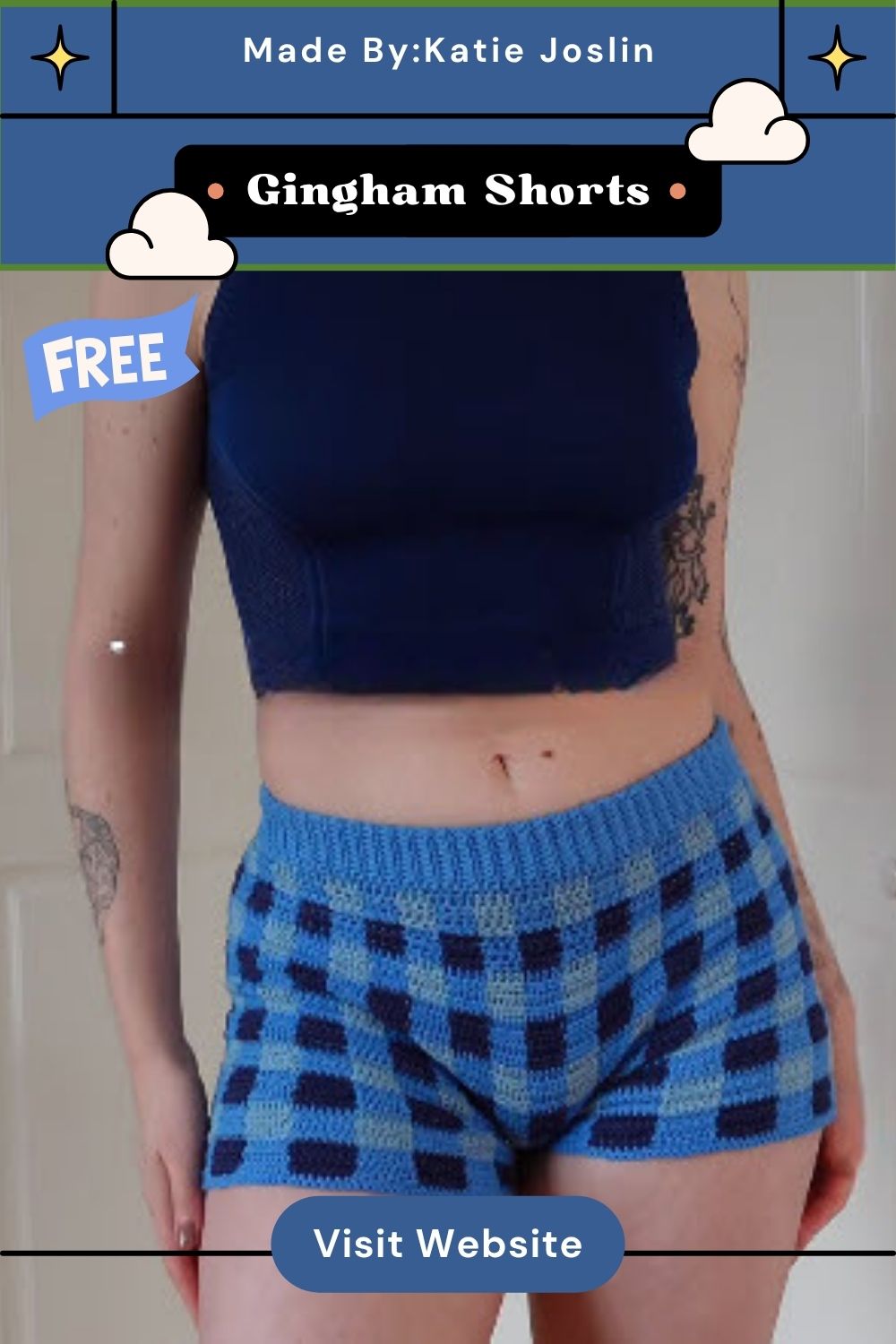
Crochet Gingham Shorts Pattern with Two Tone Design brings gingham print’s timeless, picnic-blanket charm into a beautiful, wearable crochet makeover. This two-tone shorts pattern combines color and stitch structure into a charming woven-checkerboard effect. The result is a comfortable, everyday piece that stands out especially for its bold, graphic finish.
These shorts start with a ribbed waistband worked in rows before moving into the main body, where two shades of blue alternate in a block pattern to mimic classic gingham crochet shorts. The woven-checkerboard illusion comes entirely from planned color changes, not embroidery or overlay techniques, while the comfortable fit and lightweight two-tone crochet pattern design make these especially well-suited for everyday summer wear, relaxed weekend outfits, and casual outings.
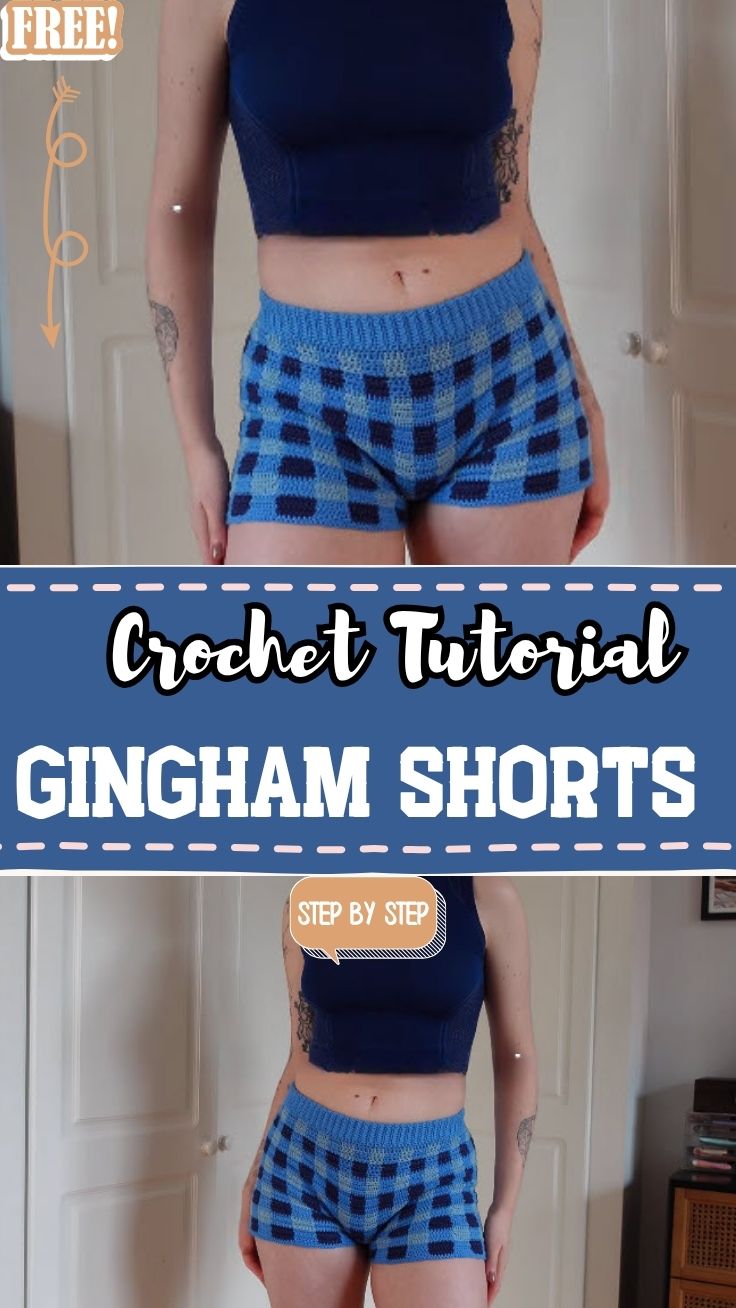
Getting that checkered look clean and consistent takes some care with color management, but the payoff is a piece that looks far more complex than the actual stitch pattern really is.
Skill Level
Intermediate. The individual stitches used throughout are manageable, but tracking multiple color changes across each row to keep the checkerboard pattern aligned requires more attention than a single-color project.
Materials You’ll Need
- Two shades of blue yarn (a lighter and a darker tone work best for contrast)
- A crochet hook sized to match your yarn weight
- A yarn needle for weaving in ends and securing color joins
- Scissors
- Measuring tape for checking waist and length sizing
- Stitch markers for tracking your color block pattern
- Bobbins or small yarn butterflies, useful for managing multiple color strands at once
Techniques Featured in This Pattern
- Starting loop and foundation chain: Sets the base width for the waistband.
- Ribbed row construction: Builds a stretchy, fitted waistband section.
- Color-block alternating pattern: Creates the gingham-style checkerboard effect across the body.
- Strand management: Carries or joins multiple yarn colors cleanly within a single row.
- Panel shaping: Adjusts width and length to complete a wearable pair of shorts.
Why Color Management Matters More Than Stitch Complexity Here
It’s tempting to think a checkered pattern like this requires advanced technique, but the real challenge lies almost entirely in keeping your color strands organized. Switching between two yarns repeatedly across a row can quickly turn tangled if you’re not careful, so using bobbins or simply keeping strands separated as you work makes a noticeable difference in how smoothly the project comes together.
Step-by-Step Instructions
Step 1: Start With Your First Loop
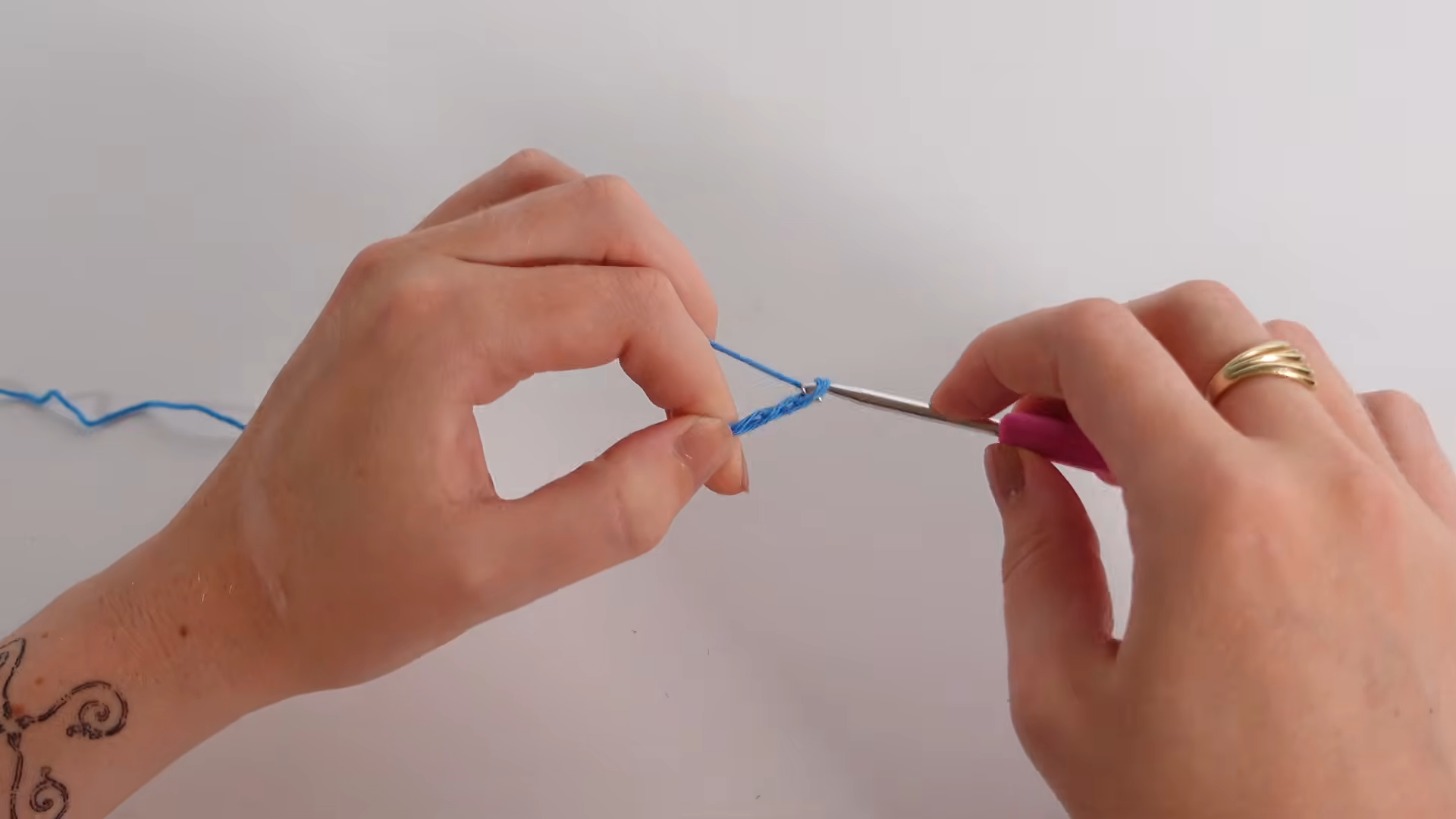
Pull your first loop through with the hook, holding the yarn steady so it feeds evenly as you begin. This loop anchors your foundation chain, which sets the width for your waistband section.
Step 2: Work the Foundation Row
Stitch across your foundation chain to establish your first row, keeping your tension even so the waistband starts with a consistent width. This row sets the stage for the ribbed section that follows.
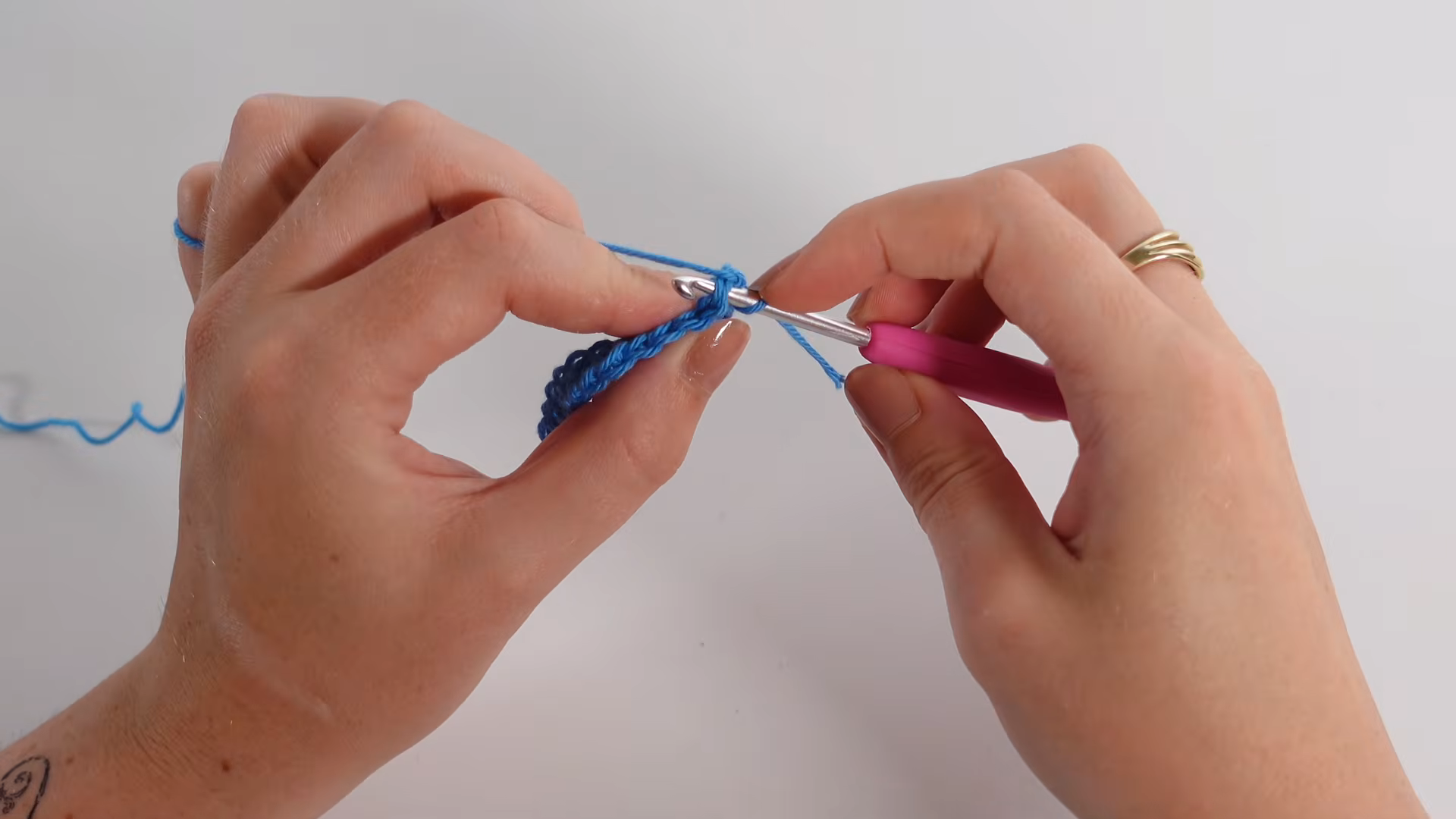
Step 3: Build the Ribbed Waistband
Continue working rows in a ribbed stitch pattern, creating the stretchy, fitted band that will sit comfortably at the waist. Keep your stitch count consistent across each row so the waistband stays even in width throughout.
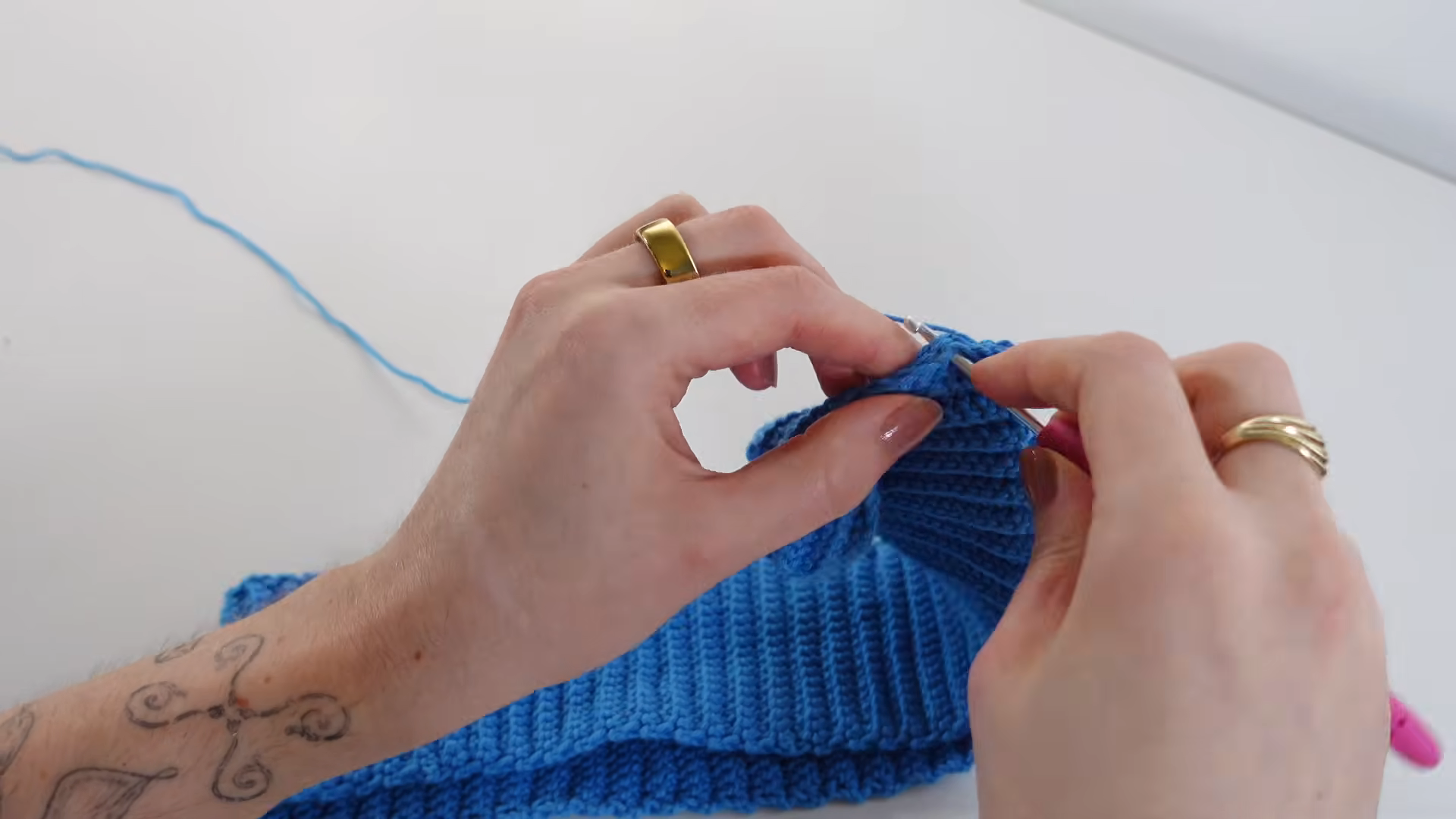
Step 4: Begin the Two-Tone Checkerboard Pattern
Transition from the waistband into the main body, alternating between your two yarn colors at planned intervals to build the gingham-style blocks. Carry your unused color along the back of the work or drop and pick it back up, whichever method keeps your tension most consistent.
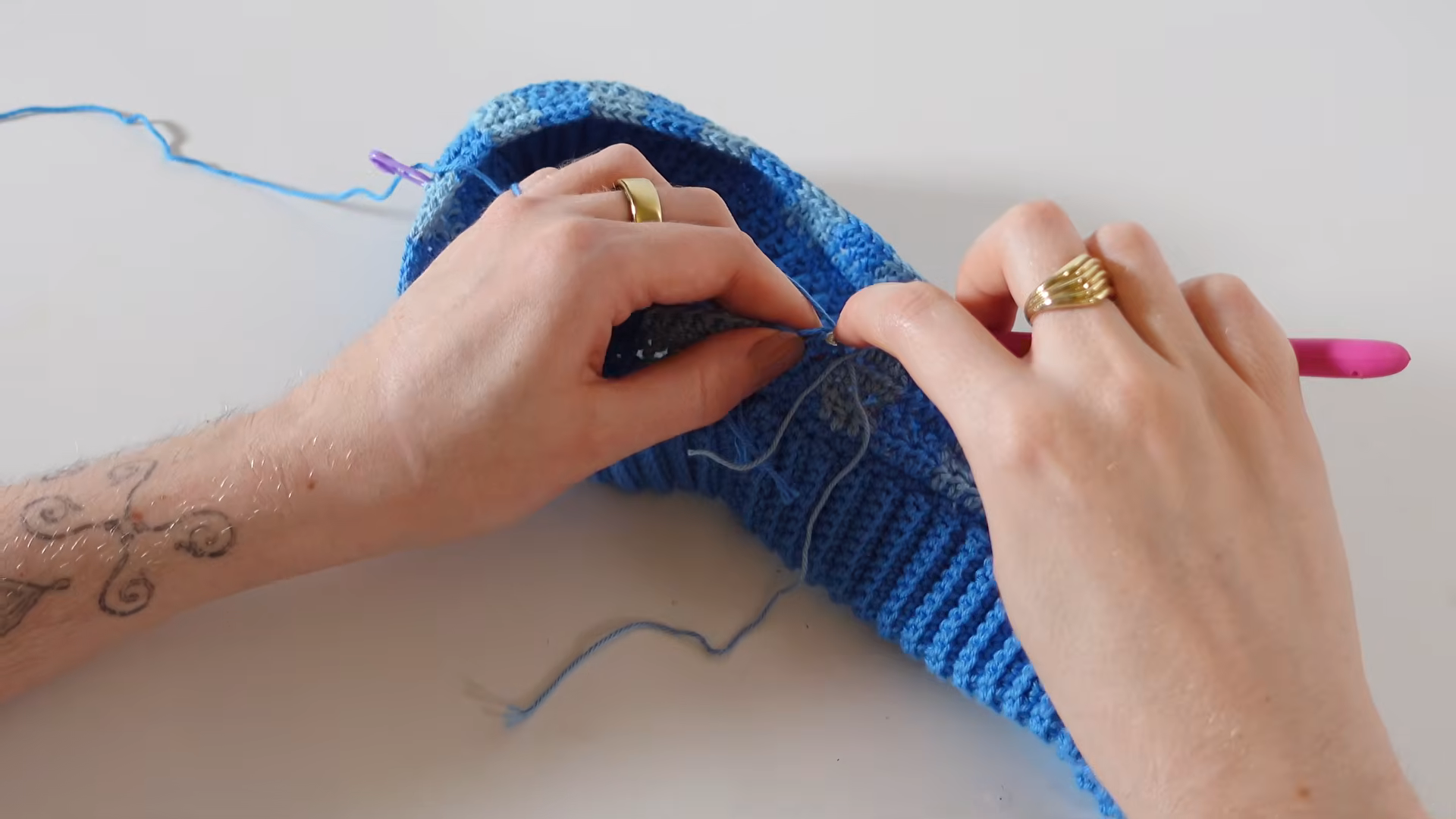
Step 5: Complete the Body and Finish the Shorts
Continue the checkerboard pattern down the length of the shorts, checking your color placement regularly to keep the blocks aligned on both legs. Join the side seams, weave in all loose ends, and your finished gingham shorts are ready to wear.
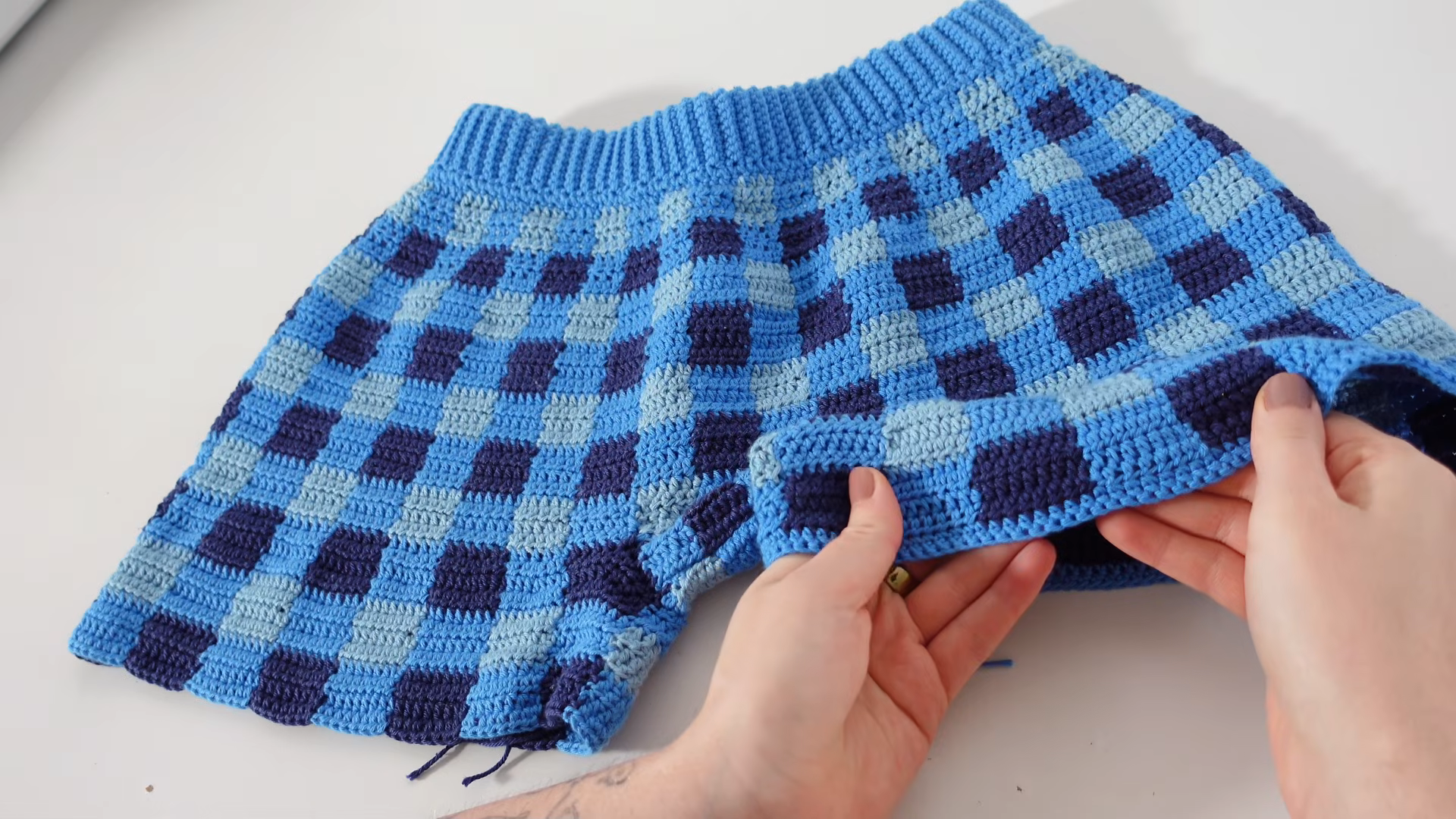
Tips for a Cleaner Result
- Practice the color-alternating technique on a small swatch before starting the full project.
- Use stitch markers to track where each color block begins and ends.
- Keep your carried yarn strand loose enough that it doesn’t pucker the fabric on the wrong side.
- Check your gingham pattern alignment every few rows rather than waiting until the piece is finished.
- Try the waistband on partway through to confirm fit before continuing to the body.
Mistakes That Are Easy to Make
- Pulling carried yarn too tight, causing the fabric to bunch or curl unexpectedly.
- Losing track of color placement, resulting in a checkerboard pattern that drifts off-alignment.
- Making the waistband too loose, leading to shorts that don’t sit securely at the hip.
- Rushing color joins, leaving loose ends or visible gaps at transition points.
- Skipping length checks, resulting in shorts that end up shorter or longer than intended.
Ways to Customize This Pattern
- Try a three-color gingham variation for a more layered, textured look.
- Swap the blue tones for a different color family, like green and cream or pink and white.
- Adjust the block size for a tighter or looser checkerboard pattern.
- Add a drawstring tie at the waistband for extra adjustability.
- Lengthen the pattern into a skirt version using the same color-block technique.
Frequently Asked Questions
Q: How much yarn does this shorts pattern typically require?
A: This varies by size, but most adult versions use around 3–4 skeins total, split between the two colors used.
Q: Is the gingham pattern difficult for someone newer to color work?
A: It takes some practice managing multiple strands, but the stitch pattern itself is straightforward once you get into the rhythm.
Q: Can this Crochet Gingham Shorts pattern be resized for different body types?
A: Yes, adjusting your foundation chain length and the number of color-block repeats allows the pattern to scale up or down.
Q: What yarn weight works best for this Crochet Gingham Shorts design?
A: Medium weight yarn tends to give the cleanest checkerboard definition while keeping the shorts comfortable to wear.
Q: How do I keep my color strands from tangling while working?
A: Using small yarn bobbins or simply keeping each color in a separate spot nearby helps prevent tangling as you switch colors.
Final Thoughts
This Crochet Gingham Shorts pattern turns a classic checkered print into a genuinely satisfying crochet project, blending careful color placement with straightforward stitch technique. From the ribbed waistband to the final aligned checkerboard block, every stage rewards patience with a piece that looks far more intricate than the process actually feels. Whether you stick with the classic two-tone blue palette or experiment with your own color combination, this project is a fun way to bring a timeless print into your handmade wardrobe.