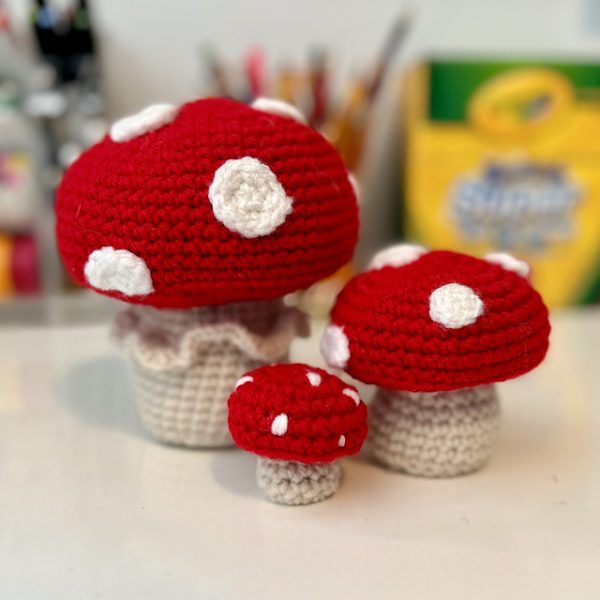
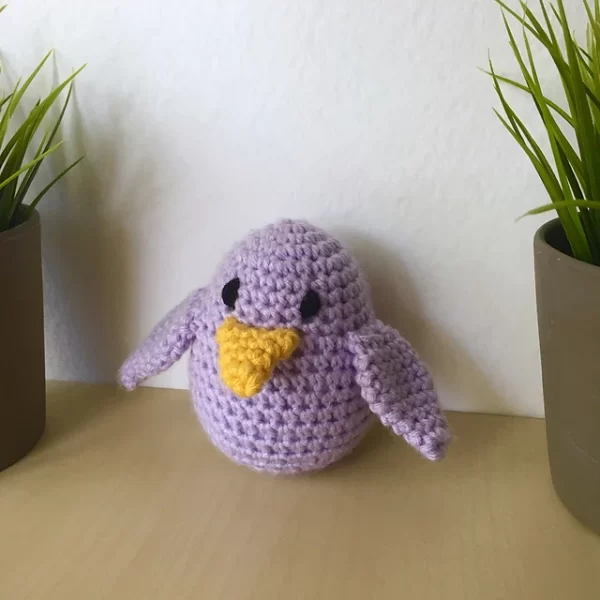
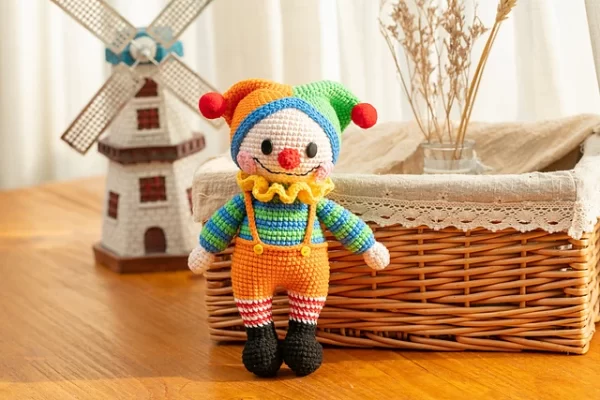
Crocheting a crochet frog is a fun and rewarding project, especially for anyone just starting an amigurumi journey. With basic stitches, simple shaping, and a cute face, this little frog comes together quickly and looks adorable right away.
If a beginner-friendly crochet project is the goal, a crochet frog is a fantastic choice. Amigurumi simply means making small, stuffed crochet figures using tight stitches so the shape holds nicely. First, a round base is crocheted; next, the shape is built with increases and decreases; after that, a few small parts get stitched on to finish the character.

Frogs are especially popular because they look sweet in almost any color and still read clearly as “frog.” Meanwhile, the classic frog features round body, little limbs, and raised eyes are easy to create with simple pieces. That makes this easy amigurumi pattern feel fun instead of intimidating.
This pattern stays beginner-friendly because the main body is one smooth shape, and the extra parts are small and quick. Later, it can be customized with different yarn shades, tiny accessories, or embroidered expressions. Finally, the finished frog makes a cute gift, a cheerful desk buddy, or a playful keychain.
Materials Needed
- Yarn Type & Weight: Medium-weight cotton or acrylic yarn (worsted weight)
- Main frog color (green recommended): 25–35 g
- Accent color (optional for cheeks or belly): 5–10 g
- Hook Size: 3.5 mm or 4.0 mm hook
- Safety Eyes: 8 mm round black eyes
- Stuffing: Polyester fiberfill (10–15 g)
- Extras: Stitch markers, yarn needle, scissors
- Keychain Ring (optional): 1 ring (25–30 mm) plus a small jump ring if available
Skill Level
Difficulty: Beginner / Easy
Making Time
Approximate time to complete the frog: 2–3 hours
- Body + head: 60–90 minutes
- Eyes + limbs: 40–70 minutes
- Assembly + face: 20–40 minutes
A) Body (Main Part of the Crochet Frog)
Start the Base
- First, make a magic ring with the main frog yarn.
- Next, crochet 6 single crochet (sc) into the ring.
- After that, pull the ring tight and place a stitch marker in the first stitch.
Form the Shape
- First, increase to build a round base:
- Round 2: inc in each stitch (12)
- Round 3: (sc, inc) repeat (18)
- Round 4: (2 sc, inc) repeat (24)
- Next, crochet 2–3 rounds with sc around to create height and a smooth curve.
- After that, begin shaping by decreasing slightly to round the top:
- Next round: (2 sc, dec) repeat
- Next round: sc around
Beginner note: Counting stitches is the easiest way to keep the body neat. Meanwhile, the stitch marker prevents losing the round start.
Finish the Body
- First, insert safety eyes before closing if the eyes will sit directly on the body.
- Next, stuff the body lightly with fiberfill, shaping it into a gentle oval.
- After that, continue decreasing until the opening is small.
- Finally, sew the last hole closed, knot securely, and hide the yarn tail inside.
Stuffig tip: Add stuffing in small pinches. That way, the frog stays round without looking stretched.
B) Additional Parts
Ears (Frog Eye Bumps)
Although frogs don’t have ears, the classic amigurumi look uses two raised eye bumps on top of the head.
- First, crochet 2 small rounds in the main color:
- Magic ring, 6 sc
- Next round: (sc, inc) repeat (9)
- Next, if safety eyes were not placed on the body, insert one 8 mm eye into each bump now.
- After that, lightly stuff each bump (optional) so it keeps its shape.
- Finally, sew them on top of the frog’s head, evenly spaced.
Time: 15–25 minutes
Limbs (Arms & Legs)
Arms (make 2)
- First, magic ring, 6 sc.
- Next, sc around for 2–3 rounds to make a short tube.
- After that, flatten the opening and stitch it closed, leaving a long tail for sewing.
Legs (make 2)
- First, start with a small base: magic ring, 6 sc.
- Next, increase slightly to create a “foot” shape: (sc, inc) repeat (9).
- After that, sc around for 2 rounds, then decrease a little to form a short leg.
- Finally, lightly stuff if desired, then close the top opening.
Time: 25–45 minutes
Shape tip: Keep arms softer and less stuffed, because floppy arms look extra cute. Meanwhile, legs can be slightly firmer so the frog sits steadily.
C) Face (Smile and Details)
- First, thread a yarn needle with a thin strand of black yarn or embroidery thread.
- Next, stitch a small curved smile below the eyes.
- After that, add optional cheek dots using pink yarn or a tiny blush stitch.
Time: 5–10 minutes
Expression tip: A smile looks best when it’s small and centered. Later, tiny eyebrow stitches can change the frog from “happy” to “curious” quickly.
D) Assembly & Stitching
- First, pin the eye bumps to the top of the head and check symmetry from the front.
- Next, stitch each bump down using small, tight sewing stitches.
- After that, attach the arms to the sides, slightly forward so the frog looks like it’s ready for a hug.
- Then, sew the legs at the lower sides or slightly toward the front for a sitting pose.
- Finally, weave in all ends securely and tug-test each piece.
Beginner-friendly assembly tips
- First, use pins or stitch markers to hold parts before sewing.
- Next, sew one piece, then immediately sew the matching piece on the other side at the same height.
- Meanwhile, keep stitches small and consistent so the seams disappear into the fabric.
- After that, hide knots inside the body for a clean finish.
Keychain option:
- First, add a strong yarn loop at the top of the head (or between the eye bumps).
- Next, attach a keychain ring.
- Finally, knot and weave in the tail deeply so it holds up to daily use.
Special Features & Customization Ideas
Color Variations
First, classic green is always cute; however, bold colors look amazing too. For example:
- A red crochet frog with dark eyes for a playful twist
- A pastel frog (mint, lavender, or baby blue) for a soft look
- A polka-dot frog by adding small embroidered dots after assembly
Size Options
- First, use thicker yarn and a larger hook for a bigger plush.
- Next, use thinner yarn and a smaller hook for a tiny pocket frog.
- After that, keep the same stitch pattern, because yarn choice does most of the sizing work.
Tips for Beginners
Managing Tension
First, aim for tight, even stitches so stuffing doesn’t peek through. Meanwhile, if hands start to feel tense, take a short break and return with relaxed grip.
Avoiding Common Mistakes
- Not counting stitches: This is the biggest reason shapes look uneven; therefore, count at the end of each round.
- Skipping stitch markers: Rounds drift quickly; after that, decreases may land in the wrong spots.
- Placing eyes too low or too close: Test placement before locking safety eyes or sewing.
- Overstuffing: A firm frog is cute, but an overstuffed frog can look stretched.
Finishing Tips
- Neat stitching: Use matching yarn for sewing parts so stitches blend in.
- Secure knots: Knot inside, then weave in ends through 6–10 stitches before trimming.
- Secure shaping: Add stuffing slowly and press the body gently into shape as work continues.
- Clean finish: Close openings neatly with a simple cinch, then hide the tail inside.
Sizing Tips (Yarn + Hook Impact)
Yarn and hook size determine the final size of the crochet frog. First, thicker yarn creates a larger frog with chunkier features. Next, a smaller hook creates tighter stitches and a smoother, more “amigurumi-style” finish.
- Worsted yarn + 4.0 mm hook: medium frog, soft and quick to make
- Worsted yarn + 3.5 mm hook: tighter stitches, cleaner shape
- DK yarn + 3.0 mm hook: small frog, great for keychains
Conclusion
Now that this crochet frog is complete, the best part is enjoying that finished amigurumi feeling cute, handmade, and full of personality. First, the simple body builds confidence; next, the small parts teach easy assembly; after that, the face details make the frog feel truly alive.Finally, try different colors, add accessories, or turn the frog into a keychain for everyday cuteness. With each new frog, skills improve naturally, and the results keep getting even more charming.