Crochet Retro Zongzi Incense Bag Pattern for Festive Crafts
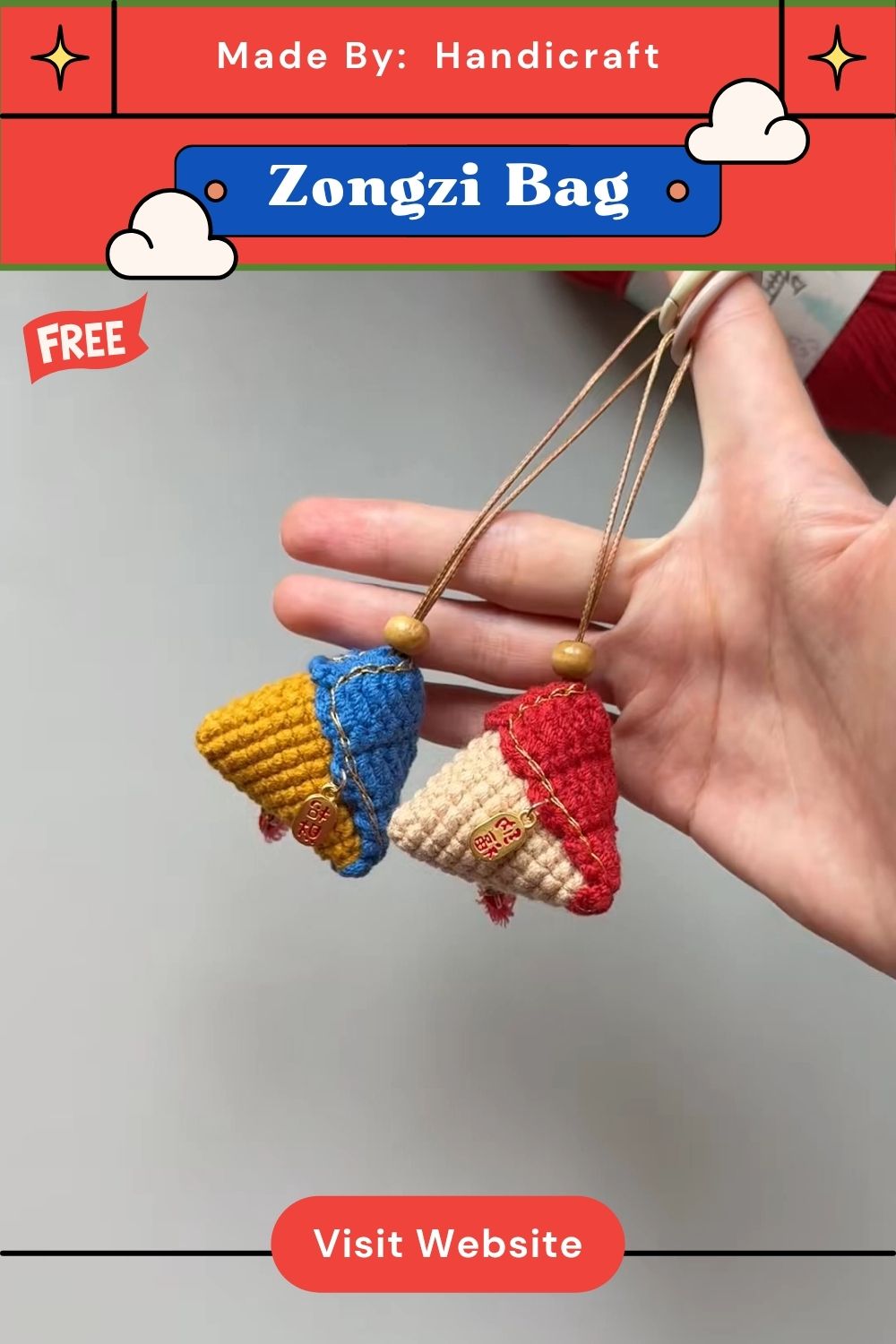
Zongzi Sachet is a small pyramid-shaped pouch modeled after the traditional rice dumplings of the Dragon Boat Festival. This Crochet Retro Zongzi Incense Bag gets filled with fragrant herbs or lavender instead of rice, turning it into a lovely, sweet-smelling handmade piece that brings together traditional culture and handcrafted charm.

What Is a Zongzi Incense Bag?
A zongzi incense bag is a small, pyramid-shaped pouch inspired by the traditional rice dumplings eaten during the Dragon Boat Festival. Instead of being filled with sticky rice, these crocheted versions are stuffed with fragrant herbs or lavender, making them a decorative and aromatic keepsake for any home.
This craft blends folklore with fiber art. It’s compact, quick to finish, and perfect for gifting during festive seasons or simply as a charming home accent.
Skill Level
This pattern falls under the Beginner to Intermediate category. The shape looks intricate, but the technique relies on basic stitches repeated in a clever way. If you’re comfortable with simple stitching and shaping, you’ll pick this up quickly.
What You’ll Need
Before starting, gather these essentials so your crafting session goes smoothly:
- Worsted weight yarn in two or three contrasting colors (traditional red, gold, and green work beautifully for a retro look)
- A suitable crochet hook size for your chosen yarn weight
- A yarn needle for weaving in ends
- Scissors
- Polyester stuffing or dried lavender/herbs for a scented finish
- Small decorative tassel or cord for hanging
- Stitch markers (optional, but helpful for tracking rounds)
Key Techniques Behind the Design
The zongzi shape is what makes this pattern special. Instead of a typical round or square base, you’re working toward a three-dimensional pyramid silhouette. A few techniques make this possible:
Triangular Shaping
The bag is built using increases and decreases arranged in a pattern that naturally folds the fabric into a pyramid form, mimicking the classic folded look of a real zongzi.
Color Blocking
Retro-style zongzi bags often use two-tone or striped color changes to recreate the look of woven bamboo leaves. Switching colors at specific rounds gives the piece its signature vintage charm.
Compact Construction
Because this is a small project, tension consistency matters more than usual. Keeping stitches even ensures the pyramid shape holds together neatly.
Step-by-Step Guide
Step 1: Prepare Your Materials
Choose your color palette first. Traditional zongzi tones (red, gold, deep green) give the most authentic retro feel, but you can experiment with pastel shades for a softer, modern twist.
Step 2: Create the Base
Start with a small foundation ring or chain, depending on your preferred starting method. This forms the tip of the pyramid shape.
Step 3: Build the Body Through Shaping
Work your rounds using consistent increases to widen the shape gradually. This is where the pyramid silhouette begins to take form. Keep count of your stitches carefully, since even shaping is key to a neat finish.
Step 4: Add the Color Pattern
If you’re using multiple colors, switch yarns at your planned intervals to create stripes or blocks. Carry unused yarn along the inside of the work to avoid extra ends to weave in later.
Step 5: Close and Shape the Bag
Once your piece reaches the desired size, begin decreasing to bring the sides back together, forming the closed pyramid shape. Leave a small opening for stuffing.
Step 6: Stuff and Scent
Fill the bag with stuffing, dried lavender, or your favorite fragrant herbs. This step is what transforms your project from a simple decoration into a genuine incense bag.
Step 7: Close the Opening
Stitch the remaining gap closed neatly, making sure the filling stays secure inside.
Step 8: Add Finishing Touches
Attach a decorative tassel, cord, or braided string to the top point so the bag can be hung or displayed. This final detail gives your piece that authentic festive charm.
Helpful Tips for Beginners
- Practice your tension on a small swatch first, since tight or loose stitches will affect the pyramid’s shape.
- Use stitch markers to track your rounds, especially during the increase and decrease sections.
- Choose lightweight stuffing so the bag keeps its structured shape without feeling too heavy.
- If working with herbs, place them in a small fabric pouch inside the bag to prevent leakage.
Common Mistakes to Avoid
- Uneven increases: Skipping or miscounting stitches during shaping can distort the pyramid form. Double-check your stitch count at the end of each round.
- Overstuffing: Too much filling can pull the shape out of proportion. Fill just enough to hold the form firmly.
- Ignoring color placement: Random color changes can make the retro pattern look messy instead of intentional. Plan your stripes ahead of time.
- Rushing the closure: A loosely stitched opening can let stuffing escape over time. Take your time securing the final seams.
Customization Ideas
- Swap traditional colors for pastel or metallic yarns for a more contemporary look.
- Add a small charm or bead near the tassel for extra decorative flair.
- Make a mini version as a keychain or bag charm.
- Create a matching set in different color combinations for festive gifting.
- Use scented wax beads instead of herbs for a longer-lasting fragrance.
Frequently Asked Questions
1. What is the origin of the zongzi shape in crafting?
The zongzi shape comes from the traditional rice dumplings wrapped in bamboo leaves, eaten during the Dragon Boat Festival. Crafters recreate this iconic pyramid form in fiber art as a nostalgic nod to the celebration.
2. Can I use this pattern for home décor instead of an incense bag?
Absolutely. Many crafters skip the herbs entirely and use the bag purely as a decorative hanging ornament or festive garland piece.
3. What size does the finished bag usually turn out?
Most finished pieces are small, typically around two to four inches, making them perfect for hanging, gifting, or displaying in small clusters.
4. Is this Crochet Retro Zongzi Incense Bag suitable for a first-time project?
Yes, as long as you’re familiar with basic stitching and simple shaping techniques. The repetitive structure makes it approachable even for newer crafters.
5. What kind of filling works best for a long-lasting scent?
Dried lavender, cedar chips, or scented wax beads tend to hold fragrance longer than loose herbs alone.
6. Can I make multiple bags in different colors for a festival display?
Definitely. Many crafters create a whole set in varying color combinations to hang together as a festive garland or door decoration.
Conclusion
The crochet retro zongzi incense bag is more than just a craft project. It’s a small, meaningful piece that connects handmade artistry with cultural tradition. Whether you’re making it for a festive celebration, a thoughtful gift, or a fragrant addition to your home, this pattern offers a perfect mix of nostalgia and creativity. With simple shaping techniques and endless color possibilities, it’s a project you can easily customize to match your style. Give it a try, experiment with your favorite hues, and enjoy creating a piece that carries both charm and meaning.