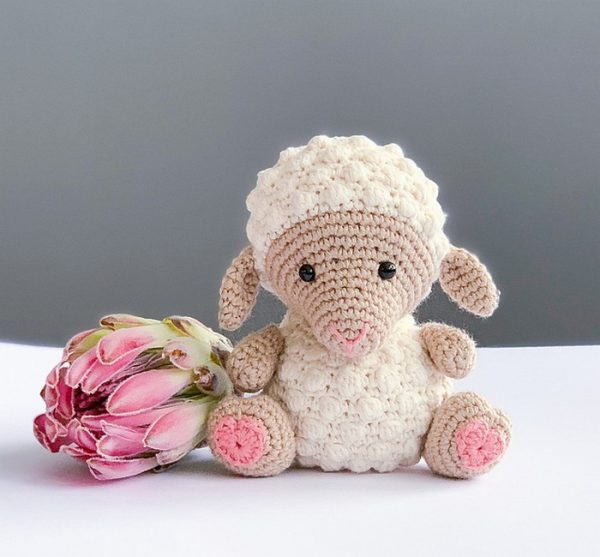
A mini crochet elephant amigurumi is one of those tiny projects that instantly feels special soft, sweet, and full of character. Tiny animals are so fun to crochet because they work up quickly, fit perfectly in small hands, and make charming keepsakes.
Amigurumi is the art of crocheting small stuffed toys using simple stitches worked in the round. It’s surprisingly satisfying to watch a flat circle turn into a cute crochet animal with shape, personality, and tiny details.

This mini crochet elephant amigurumi pattern is ideal for beginners because it uses basic stitches, easy shaping, and small parts that come together quickly. Its small size, rounded body, and floppy ears make it adorable, and it’s easy to personalize with different yarn colors, embroidered cheeks, or a tiny accessory.
Materials Needed
- Yarn (recommended):
- DK / Light Worsted (Category 3) acrylic or cotton yarn
- Main color (elephant): gray, soft blue, or beige (approx. 25–35 g / 90–125 m)
- Accent color (optional): white or pink for inner ears/cheeks (approx. 5–10 g)
- Crochet hook: 2.75 mm or 3.0 mm (choose a smaller hook for tighter stitches)
- Safety eyes: 6 mm black round safety eyes (or 5 mm for a smaller face)
- Stuffing: Polyester fiberfill (10–15 g, or as needed)
- Stitch marker: 1 removable marker or a small piece of yarn
- Yarn needle: blunt tapestry needle for sewing parts
- Optional: Embroidery thread (black for eyebrows/mouth, pink for cheeks), pins for positioning
Skill Level
Beginner / Easy
This pattern is suitable for beginners. Only basic stitches are used, and each section is small and manageable.
Making Time (Overview)
Approximate total time: 2–3 hours, depending on experience and speed.
Stitches & Notes (Quick Guide)
- MR = magic ring
- sc = single crochet
- inc = increase (2 sc in the same stitch)
- dec = decrease (single crochet 2 stitches together)
- Work in continuous rounds (no joining) unless noted.
- Use a stitch marker to track the first stitch of each round.
Elephant Head
First, start with a magic ring and crochet in rounds to form a smooth, rounded head. Next, increases build the shape, and later decreases close it neatly.
Round 1: MR, 6 sc (6)
Round 2: inc around (12)
Round 3: (sc, inc) around (18)
Round 4: (2 sc, inc) around (24)
Round 5: (3 sc, inc) around (30)
Rounds 6–9: sc around (30)
Next, place the 6 mm safety eyes between Rounds 7 and 8, about 6–7 stitches apart. Meanwhile, begin adding stuffing gradually.
Round 10: (3 sc, dec) around (24)
Round 11: (2 sc, dec) around (18)
Then, stuff the head lightly but evenly (avoid overfilling).
Round 12: (sc, dec) around (12)
Round 13: dec around (6)
Finally, close the opening and weave in the end.
Approximate Time: 35–45 minutes
Elephant Body
Now, crochet the body in continuous rounds. Meanwhile, increases create a rounded belly, and then the shape tapers slightly to close.
Round 1: MR, 6 sc (6)
Round 2: inc around (12)
Round 3: (sc, inc) around (18)
Round 4: (2 sc, inc) around (24)
Rounds 5–8: sc around (24)
After that, lightly stuff the body, keeping it firm enough to hold shape but still soft to squeeze.
Round 9: (2 sc, dec) around (18)
Round 10: sc around (18)
Round 11: (sc, dec) around (12)
Round 12: dec around (6)
Finally, close and weave in the end, leaving a tidy finish.
Approximate Time: 25–35 minutes
Ears, Trunk & Legs
Next, crochet the soft elephant features: two floppy ears, one curved trunk, and four tiny legs. Afterwards, each piece is sewn neatly into place.
Ears (make 2)
First, crochet a small rounded ear that can be slightly folded for a floppy look.
Round 1: MR, 6 sc (6)
Round 2: inc around (12)
Round 3: (sc, inc) around (18)
Round 4: sc around (18)
Then, fasten off, leaving a long tail for sewing.
Optional: Add a few stitches of pink/white inside the ear for contrast.
Trunk (make 1)
Next, crochet a narrow tube and curve it during assembly.
Round 1: MR, 6 sc (6)
Rounds 2–6: sc around (6)
Then, lightly stuff only the base of the trunk (optional).
Later, to create a gentle curve, sew the trunk with a slight bend or add a couple of shaping stitches on one side. Fasten off, leaving a sewing tail.
Legs (make 4)
Afterwards, crochet four tiny legs for a stable, cute stance.
Round 1: MR, 6 sc (6)
Round 2: (sc, inc) around (9)
Rounds 3–4: sc around (9)
Then, lightly stuff each leg. Fasten off, leaving long tails for sewing.
Sewing the Parts (overview)
Later, sew the legs to the underside of the body, then attach the head to the body, and finally add ears and trunk.
Approximate Time: 45–60 minutes
Details & Embellishments
Meanwhile, add the tiny features that give the elephant its personality.
- Eyes: If safety eyes are not used, then embroider simple eyes with black thread (two small horizontal stitches or French knots).
- Eyebrows (optional): Next, add tiny angled stitches above the eyes for a gentle expression.
- Toe lines (optional): Then, stitch 2–3 short lines on each foot with matching or slightly darker yarn.
- Cheeks (optional): Finally, add a blush effect using pink embroidery thread or a small dab of blush (if preferred).
Approximate Time: 10–20 minutes
Face & Final Assembly (Neat Positioning Guide)
First, pin the head on top of the body to check the balance. Next, sew around the opening with small, tight stitches, pulling snugly so the neck feels secure.
Meanwhile, position the trunk in the center of the face, slightly below the eyes. Then sew it firmly at the base, adding a few extra stitches where the trunk meets the head so it won’t wobble.
After that, place the ears on both sides of the head around eye level. For a floppy look, fold the bottom edge of each ear slightly before sewing. Finally, sew the legs evenly on the bottom of the body two in front and two in back—so the elephant can sit nicely without tipping.
Special Features
- Soft plush texture: Using DK yarn with tight stitches creates a smooth, cuddly finish.
- Cute rounded shape: The simple increases and decreases form a classic amigurumi silhouette.
- Personality from tiny details: Small eyebrows, a gentle trunk curve, and toe lines make the elephant feel expressive and unique.
Sizing Tips
- Using thicker yarn (worsted/Category 4) and a larger hook (3.5–4.0 mm) will make a bigger elephant.
- Using thinner yarn (sport/fingering) and a smaller hook (2.0–2.5 mm) creates an even tinier mini version.
- For best shaping, always choose a hook that makes tight stitches so stuffing doesn’t show through.
Finishing Tips
- Weave in ends neatly: Run yarn tails through several stitches inside the toy, then trim.
- Keep even tension: Consistent stitch tightness makes the fabric look clean and professional.
- Shape the trunk and ears: Add a little extra stuffing at the base of the trunk if desired, and gently pinch the ears into a soft fold while sewing.
Common Mistakes to Avoid (and Easy Fixes)
- Miscounting rounds: Use a stitch marker and count at the end of each round. If the stitch count is off, undo a few stitches early rather than fixing later.
- Stuffing too tightly: Overstuffing can stretch stitches and make bumps. Add small pieces of stuffing gradually and press them into shape.
- Uneven tension: If stitches change size, slow down and hold yarn the same way each time. Switching hook size can also help.
- Incorrect attachment of parts: Pin everything first. If something looks uneven, remove a few sewing stitches and reposition before fully securing.
Variations & Customization Ideas
- Change elephant colors: pastel blue, lavender, cream, or two-tone ears.
- Add tiny accessories: a bow tie, a mini scarf, or a small crocheted blanket.
- Make it bigger or smaller: adjust yarn weight and hook size, or add an extra round to the body for a taller look.
- Turn it into a keychain: skip safety eyes (embroider instead), make it extra firm, and add a keyring loop at the top.
Conclusion
A mini crochet elephant amigurumi is a small project with a big reward: a sweet handmade toy full of charm and personality. From the rounded head to the floppy ears and tiny legs, every step adds a little more life to the finished elephant. Enjoy the final shaping, celebrate the progress, and keep exploring more amigurumi animals—each new crochet friend is a fun way to build confidence and creativity.