Modern Crochet Sweater Scarf Pattern For Everyday Style
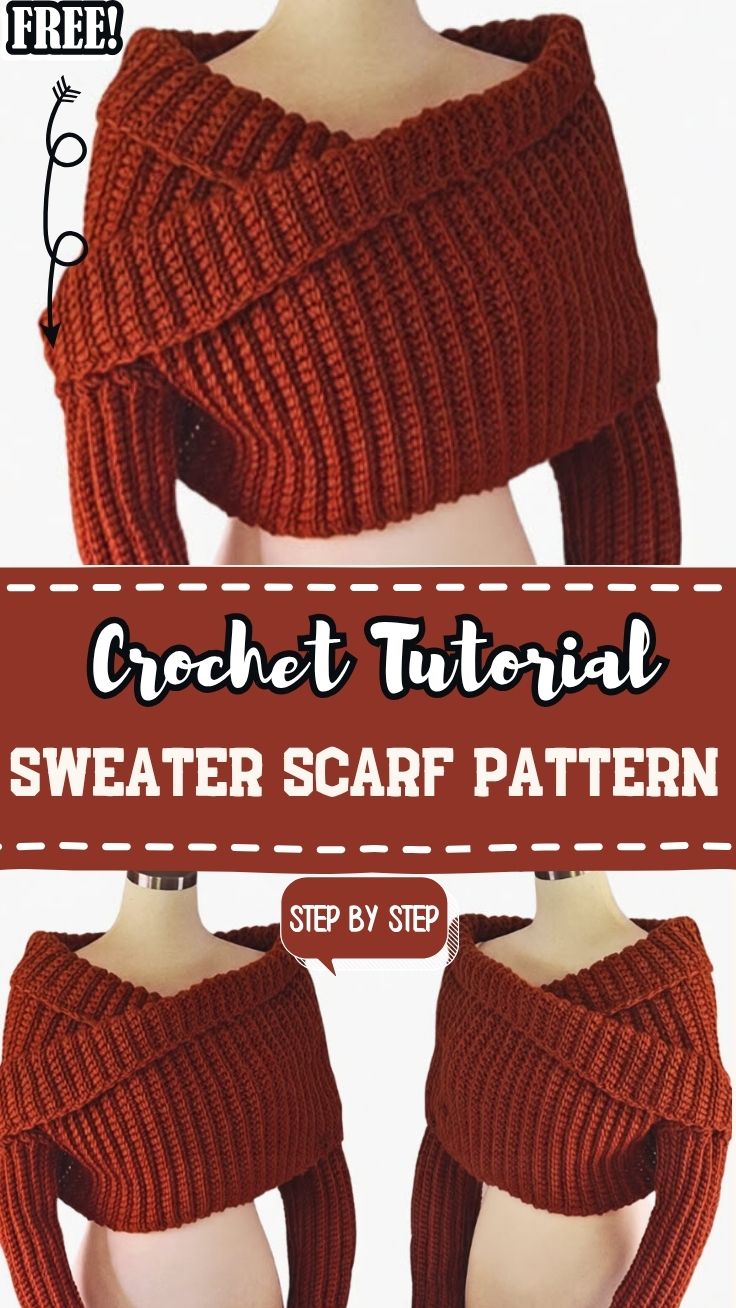
Rust-orange yarn sets the tone for the Modern Crochet Sweater Scarf Pattern For Everyday Style. The warm shade pairs easily with denim, cream knits, and wool coats. Once finished, the cozy crochet wrap slips over both arms and hugs the shoulders on chilly mornings.
Few projects blend a scarf and a sweater as neatly as the one ahead. Instead of a full body, the design uses a long rectangular panel with a sleeve at each end. As a result, it behaves like a crochet scarf with sleeves that never slides off the shoulders. Also, the stitches stay simple, with ribbed borders and relaxed half double crochet rows. So it doubles as a satisfying beginner crochet wrap with a polished finish.
What You’ll Need
- Medium worsted-weight (#4) acrylic yarn, roughly 700–900 yards in a warm rust tone
- 5.5 mm (I-9) crochet hook, ideally with a cushioned handle
- Flexible tape measure
- Square gauge ruler or swatch frame
- Blunt tapestry needle for seaming and weaving in ends
- Sharp scissors
- Two or three locking stitch markers
Materials Substitution Ideas
A wool-acrylic blend adds warmth without much extra weight. Cotton blends suit milder climates, although they drape more heavily. For a softer feel, choose a brushed or velvet-touch worsted yarn. However, always swatch first, because fiber changes affect both size and stretch. Also, a 5 mm hook works well for tighter hands.
Skills You’ll Use
- Slip knot and foundation chain
- Half double crochet (hdc)
- Back-loop-only stitching for ribbed texture
- Measuring a gauge swatch accurately
- Whip stitch seaming for the sleeves
Time Needed
- Prep: about 30 minutes for winding yarn and swatching
- Stitching: roughly 8–12 hours, depending on size and pace
- Finishing: around 45 minutes for seaming and weaving ends
Quick Sizing Adjustments
Sleeve length depends on the foundation chain, so add chains for longer arms. Meanwhile, panel length controls how far the scarf reaches across the back. Generally, a panel close to your arm span creates a relaxed, easy fit. For a snug look, subtract a few inches before starting the sleeves.
Phase 2: While You Make It
Step-by-Step Process
Each step below matches the tutorial photos in order. Follow them closely, since the crochet sweater scarf pattern relies on accurate gauge from the very start.
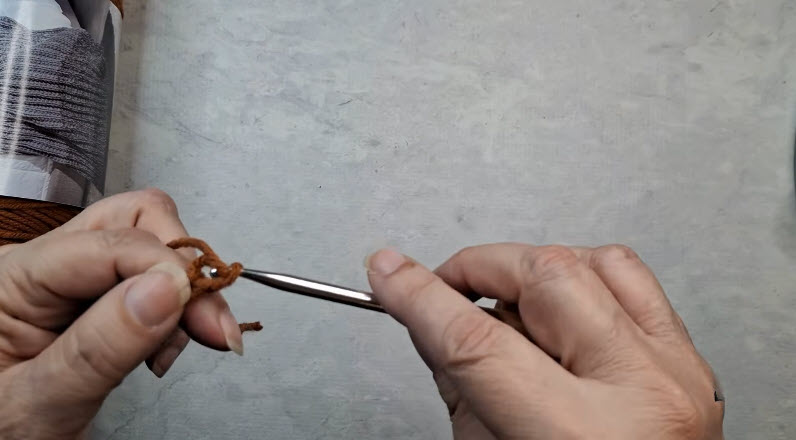
Step 1: Form the Slip Knot
Leave a six-inch tail and form a slip knot around two fingers. Next, place the loop on the hook and snug it gently. Keep the knot secure but loose enough to slide freely.
Micro-note: A relaxed slip knot prevents a tight, puckered first chain, which later distorts the bottom edge.
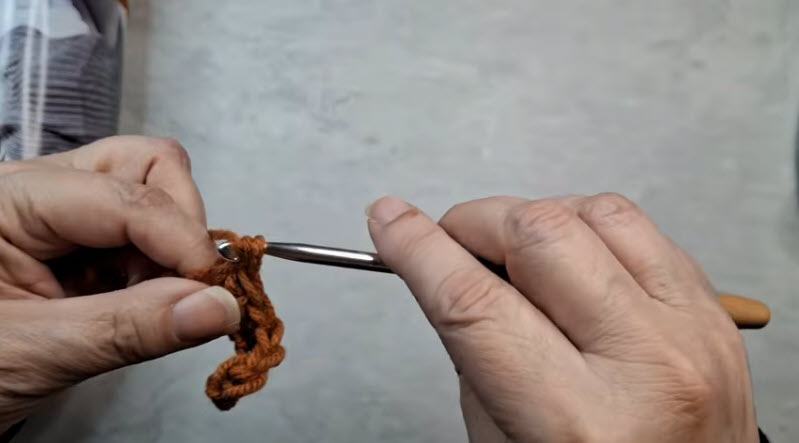
Step 2: Build the Foundation Chain
Hold the working yarn over the index finger for steady tension. Then yarn over and pull through, repeating until the chain reaches the swatch width. Keep every chain roughly the same size as the hook shaft.
Count now: Lay the chain flat and confirm the count before turning. Twisted chains make counting harder, so straighten them first.
Micro-note: Even chains create a straight edge, and that edge becomes a visible border later.
Step 3: Work and Measure the Gauge Swatch
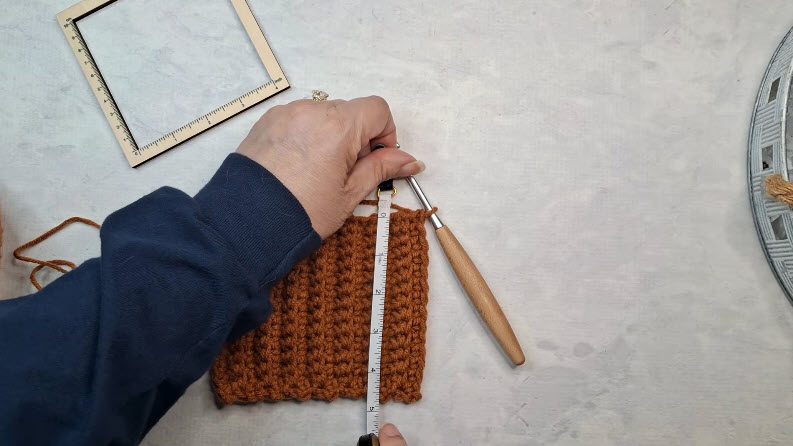
Stitch several rows of half double crochet through the back loop only. Soon, vertical ribs appear across the fabric. After about four inches, lay the swatch flat and measure with a tape.
Shape check: Place a square gauge ruler over the swatch and count stitches and rows inside the frame. If you count too many stitches, switch to a larger hook. With too few, go down a size instead.
Pro Tip: Measure in the center of the swatch, since edge stitches often run slightly wider.
Micro-note: Skipping the swatch can leave sleeves too tight to slip over a sweater.
Step 4: Continue the Main Panel
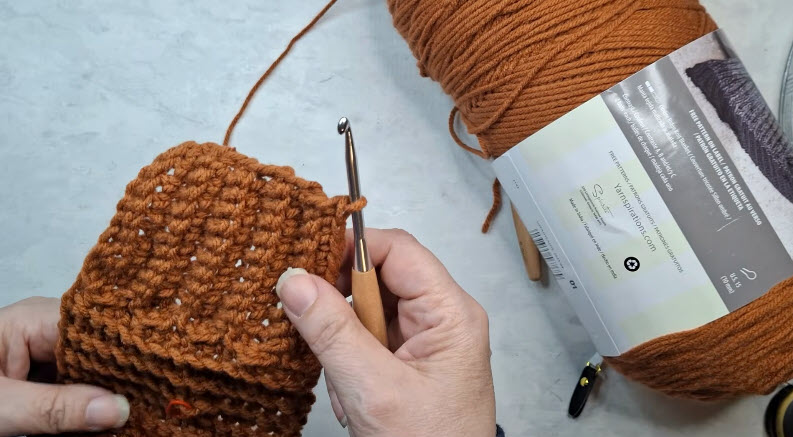
Once gauge matches, begin the full piece with the ribbed border. After that, shift into standard half double crochet rows for the main panel. Turn at the end of each row and keep the edges straight.
Stitch check: Count stitches every few rows to confirm the width stays consistent. A growing or shrinking count usually means a missed or doubled edge stitch.
Common Mistakes and Their Fixes
Problem: Edges slant inward as rows build up.
Fix: Place a marker in the first and last stitch of every row.
Problem: Ribbing looks flat instead of ridged.
Fix: Work strictly through the back loop, never both loops.
Problem: Fabric feels stiff and board-like.
Fix: Loosen tension or move up half a hook size.
Problem: Rows appear uneven in height.
Fix: Pull each yarn-over loop up to match the hook shaft.
Signs You Did It Right
- Ribbed borders show clear, raised vertical ridges
- Panel width stays consistent from one end to the other
- Fabric drapes softly instead of standing stiff
- Swatch measurements match the working crochet sweater scarf pattern gauge
- Sleeves slide on easily over a long-sleeve top
Phase 3: After It’s Done
Troubleshooting Guide
Issue: Sleeves feel too snug over a thick layer.
Fix: Undo the seam and restitch it closer to the edge for extra room.
Issue: Ribbed cuffs flare outward after wear.
Fix: Steam lightly and pat flat, then let the fabric dry fully.
Issue: Panel stretches longer over time.
Fix: Wash gently and reshape it to the original measurements while damp.
Washing and Cleaning Instructions
Hand wash in cool water with a mild wool-safe soap. Next, squeeze out water gently without twisting the fabric. Afterward, roll it in a towel to remove extra moisture. Finally, dry it flat and reshape the cuffs by hand. Most acrylic yarns tolerate a delicate machine cycle inside a mesh laundry bag.
Storage Tips
Fold the scarf loosely rather than hanging it on a hook. Otherwise, gravity slowly pulls the panel longer. Also, keep it inside a breathable cotton bag away from direct sunlight. For wool blends, tuck a cedar block nearby to deter moths.
Creative Projects You Can Make With the Pattern
- Pair it with a matching ribbed crochet beanie pattern
- Shorten the panel for a cropped crochet shrug design
- Use the ribbed stitch for a chunky crochet cowl tutorial
- Turn leftover yarn into simple crochet fingerless mitts
- Widen the panel into an oversized crochet shawl with sleeves
Ways to Style or Display It
Layer the scarf over a plain tee with jeans for relaxed weekends. Similarly, it looks sharp over a fitted dress with ankle boots. For photos, drape it over a chair back to show the ribbing. Additionally, fold it on a bed throw for a cozy seasonal display.
Who This Pattern Is Great For
- Advanced beginners ready for their first wearable project
- Crocheters who enjoy repetitive, calming rows
- Anyone who feels cold at the office or in class
- Makers searching for a thoughtful handmade present
Why It’s Popular Right Now
Layering pieces keep trending as people want warmth without bulky coats. Moreover, sleeve scarves stay put, unlike classic wraps that slip off constantly.
- Warm autumn tones like rust and pumpkin dominate seasonal color palettes
- Simple stitches make the project approachable for newer makers
- Handmade layers feel personal and sustainable compared with fast fashion
FAQ
Can a beginner finish a sweater scarf?
Yes, as long as they know basic chains and half double crochet. Also, the repetitive rows help build steady tension quickly.
How much yarn does a sleeve scarf need?
Most adult sizes use between 700 and 900 yards of worsted yarn. However, longer panels or wider sleeves need more.
Can I skip the sleeves?
Absolutely. Simply leave the ends unseamed and wear it as a long rectangular scarf.
Which hook size works best?
A 5.5 mm hook suits most worsted yarns. Still, the gauge swatch should decide the final hook choice.
Conclusion
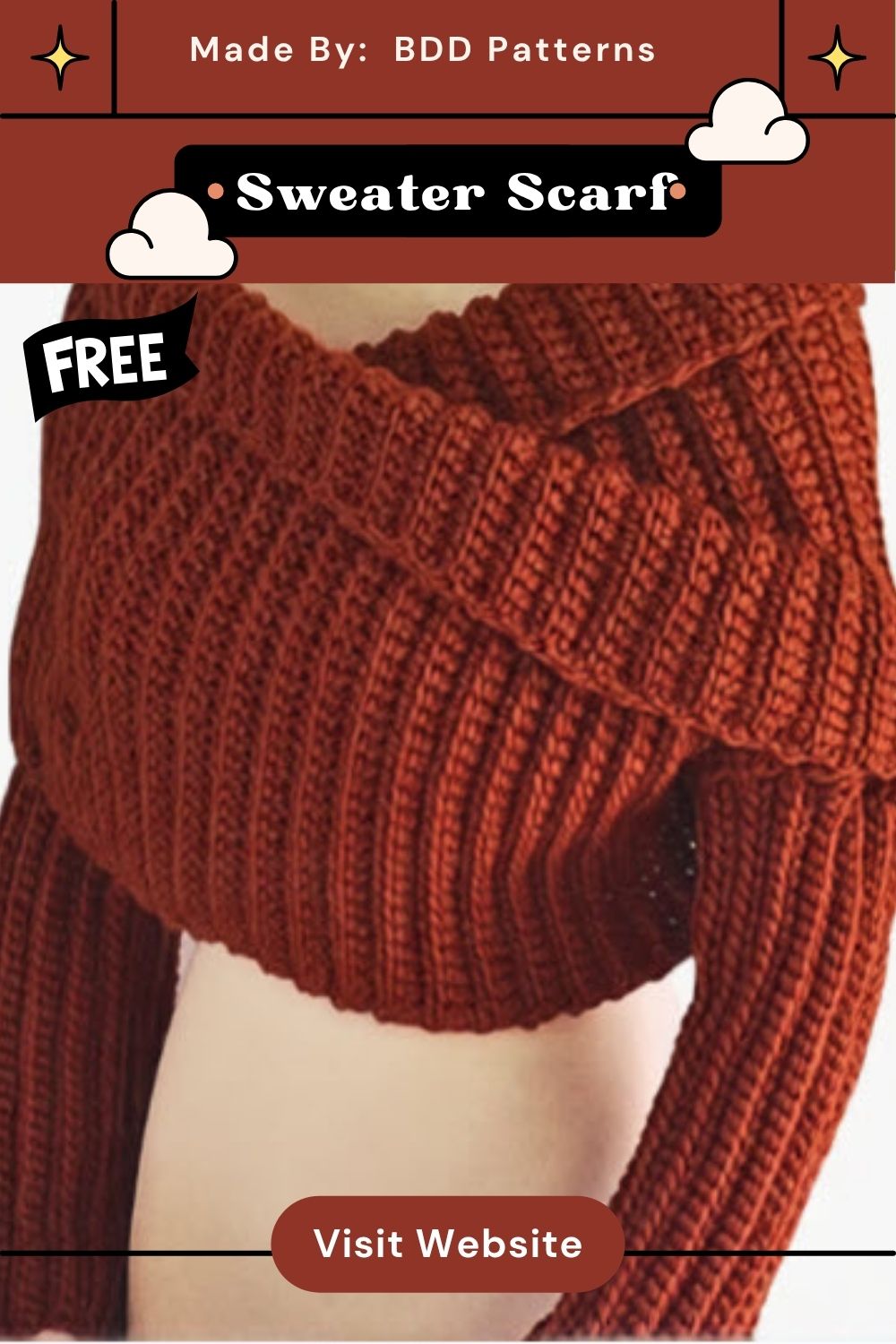
A well-made sleeve scarf blends comfort and style in one easy piece. By following the crochet sweater scarf pattern carefully, you get tidy ribbing and a relaxed drape. May every row bring calm, and may the finished wrap keep your shoulders warm through many crisp mornings ahead.