How to Crochet Spiderweb Blouse Pattern Step by Step
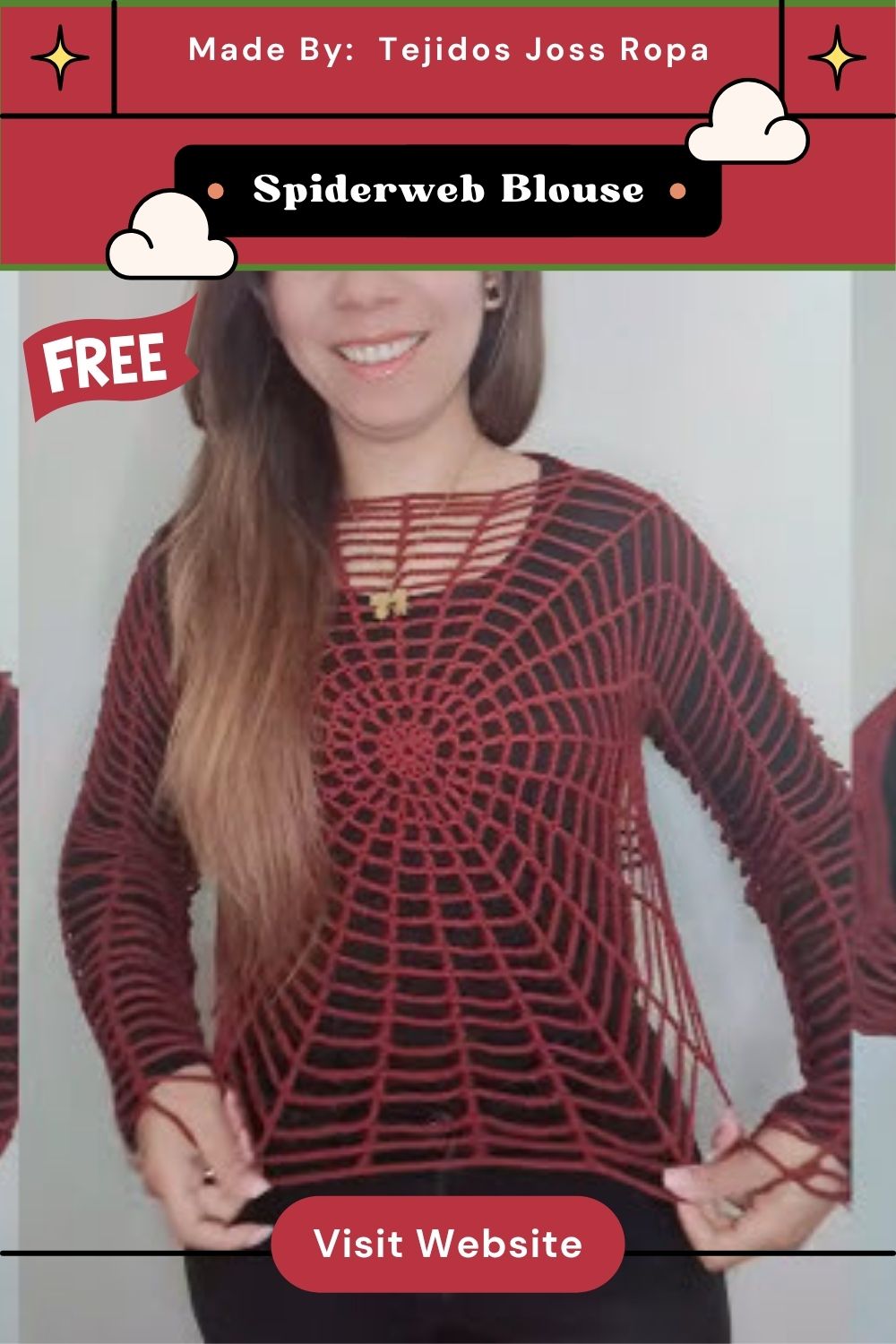
Warm weather calls for light, breezy wear, and this Crochet Spiderweb Blouse delivers exactly that feeling. Its open, lacy rounds build a soft, airy top that adds distinctive charm to any summer outfit. Grab a hook and yarn to give this lovely pattern a try once the rhythm clicks, it comes together far more easily than expected.
Crochet Spiderweb Blouse Pattern starts from a simple ring and gradually expands outward through a sequence of chain spaces and basic stitches, building a delicate web-like structure. It suits anyone wanting a light, breezy, distinctive crochet top for warm weather especially well. Each round builds naturally on the one before it, so new learners can follow along easily without getting lost in complicated counting. This design also makes a lovely, wearable pick as both a Crochet Lace Top and Summer Crochet Blouse.
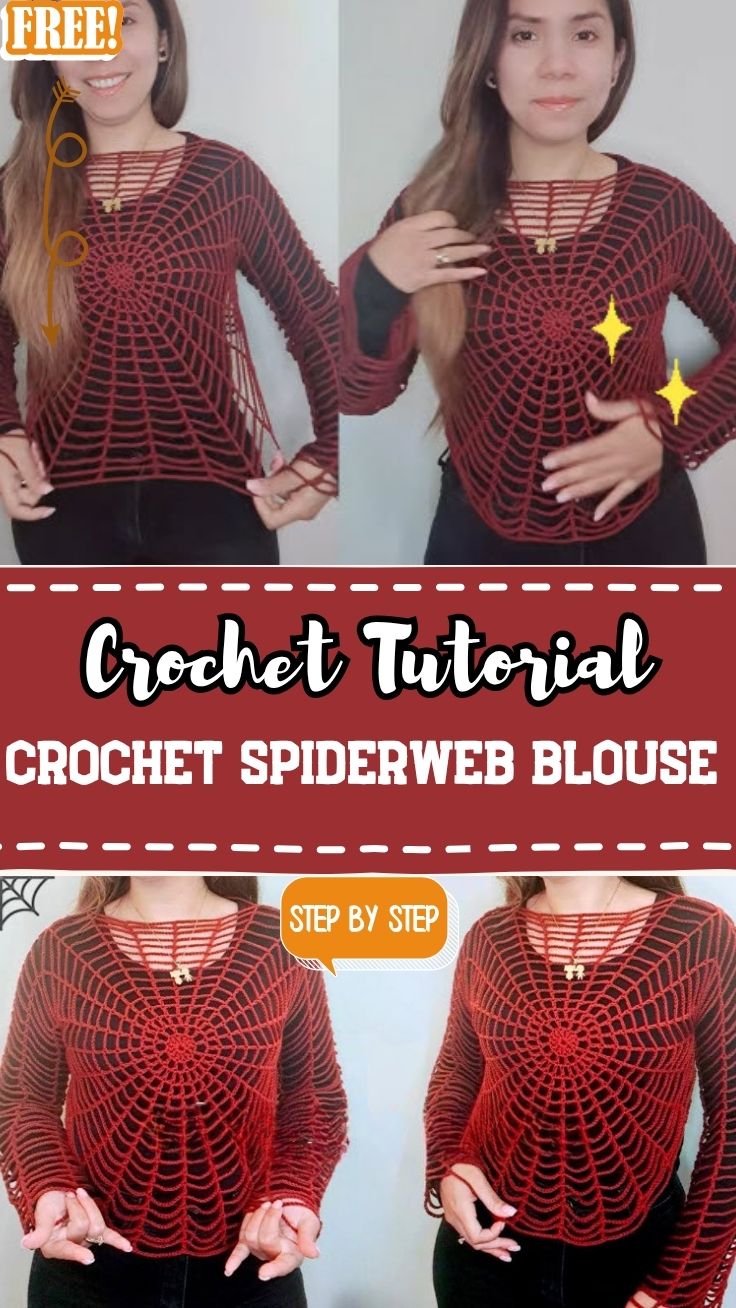
This pattern is loved for its lightweight feel and eye-catching design. It works up faster than dense stitch patterns and suits almost every body type and season.
Time Box
Instead of rating this project by difficulty alone, here is a realistic time breakdown so you can plan your crochet sessions:
- Prep Time: 10–15 minutes (winding yarn, choosing hook size, gathering tools)
- Stitching Time: 3–4 hours per motif, depending on round count and yarn weight
- Joining Time: 45–60 minutes to connect motifs into the blouse shape
- Finishing Time: 20–30 minutes for weaving ends and light blocking
Total project time usually falls between 6 and 10 hours, spread across a few relaxed sessions rather than one sitting.
Materials You Will Need
Before starting, gather these basics so you are not pausing mid-round to search for supplies:
- Worsted weight cotton or cotton-blend yarn (light, breathable colors work best)
- A 4mm (G) crochet hook, or the size recommended on your yarn label
- Sharp scissors
- A tapestry needle for weaving in ends
- A measuring tape to track motif size
- Stitch markers to keep track of round starts
Key Techniques Behind This Pattern
A few core techniques repeat throughout this project, and understanding them early makes every round go smoother.
- Magic ring foundation – gives a tight, gap-free center for each motif
- Chain spaces – these open gaps are what create the signature web appearance
- Single and double crochet combinations – used to build the structure between chain spaces
- Motif joining – connecting individual web circles into one wearable piece
- Light blocking – shaping the finished piece so the web pattern lies flat and even
Step-by-Step Guide
Follow these steps to recreate the spiderweb motif shown in the reference photos, then repeat and join as needed to build the full blouse.
Step 1: Set Up Your Starting Loop
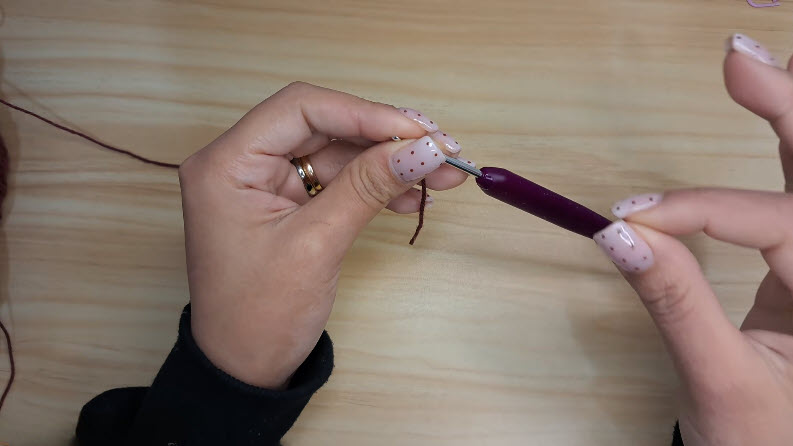
Begin by making a slip knot and placing it on your hook. Hold the hook between your fingers with a relaxed grip, letting the working yarn rest over your other hand. This starting loop is the foundation every following stitch will build on, so keep it snug but not tight.
Step 2: Form the Center Ring
Work your first stitches directly into the starting loop to create a small, tight center ring. Keep your tension even here, since this tiny circle becomes the anchor point for the entire spiderweb motif. Pull the tail gently to close the ring once your first round of stitches is complete.
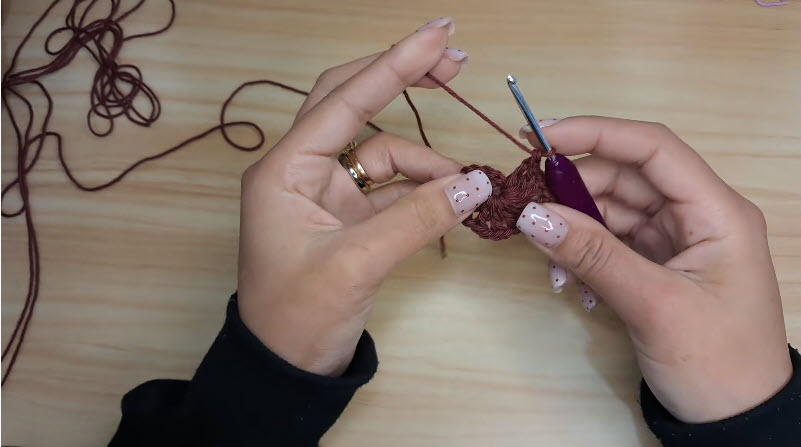
Step 3: Build the First Round of Chain Spokes
Continue working around the ring, alternating stitches with chain spaces. These chains are what give the motif its open, web-like spokes. Keep your stitch count consistent so the circle grows evenly without curling or puckering at the edges.
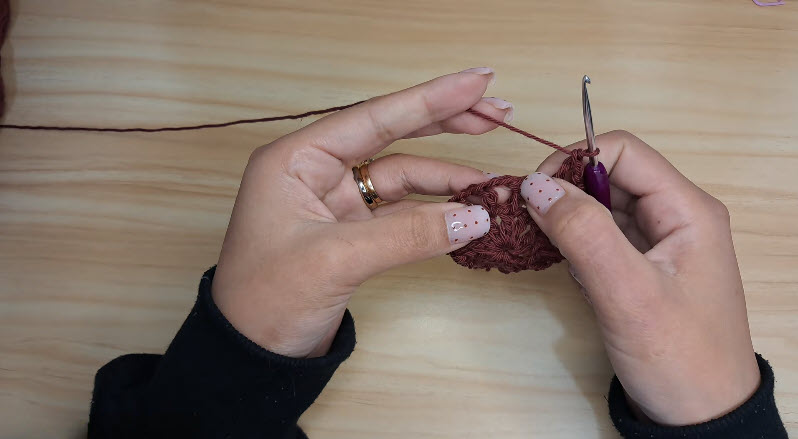
Step 4: Repeat Rounds to Grow the Web Pattern
Keep adding rounds, increasing your chain spaces and stitch count as the circle expands. Each new round should sit slightly wider than the last, forming the layered, radiating look of a spiderweb. Continue until your motif reaches the size needed for your blouse pattern.
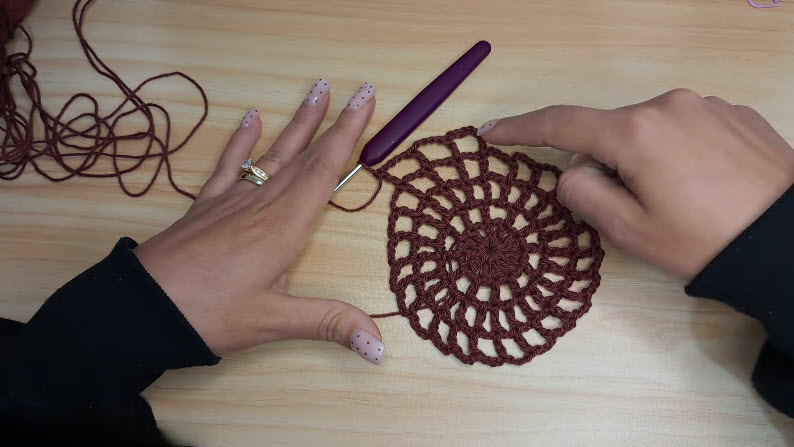
Step 5: Join Motifs to Shape the Blouse
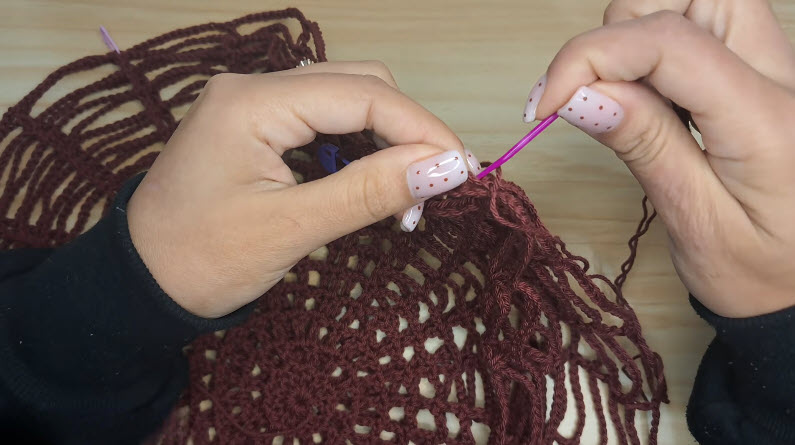
Once you have enough motifs at matching sizes, connect them using slip stitches or a join-as-you-go method along the outer chain spaces. Work row by row, linking each motif to its neighbor, until the front and back panels reach your desired blouse shape and length.
Helpful Tips for Beginners
- Count your stitches at the end of every round before moving forward.
- Use a stitch marker on the first stitch of each round so you never lose your place.
- Keep tension relaxed, since the chain spaces should stay open rather than tight.
- Practice one motif fully before starting the pieces meant to be joined.
Common Mistakes to Avoid
- Skipping the stitch count check, which leads to motifs that do not match in size
- Pulling chain spaces too tight, which flattens the web effect
- Joining motifs before blocking them, causing uneven seams
- Using a hook size that is too small for the yarn weight, making stitches hard to work into
Uses and Benefits
A finished spiderweb blouse works beautifully as a light layering piece over tank tops, swimsuits, or fitted camisoles. Its open stitch pattern makes it ideal for warm climates, beach outings, or casual daytime wear where a full sweater would feel too heavy. Beyond style, this project also strengthens your motif-joining skills, which carry over into many other garment patterns.
Where Can You Use This Pattern
This Crochet Spiderweb Blouse style fits naturally into summer wardrobes, vacation packing lists, and festival outfits. It also makes a thoughtful handmade gift, since the airy design suits a wide range of body shapes and personal styles.
Why Beginners Will Enjoy This Pattern
Even though the finished piece looks intricate, the repeated round structure keeps things predictable. Once you memorize the rhythm of stitch, chain, stitch, you can work through motifs quickly without constantly checking instructions.
Tips and Tricks for Success
- Block each motif before joining to keep sizes consistent.
- Use a lighter yarn weight for a more delicate, see-through finish.
- Lay motifs out on a flat surface first to plan your joining pattern.
- Keep a small notebook or app note tracking your round counts for future repeats.
Why This Pattern Is Trending
Open-weave garments have become a favorite among crochet makers who want handmade pieces that feel modern rather than old-fashioned. The spiderweb motif fits this shift perfectly, blending a classic circular technique with a fresh, wearable outcome.
- It photographs beautifully for social media and portfolio sharing.
- It reuses scrap yarn well, since motifs can mix colors.
- It appeals to both new and experienced makers looking for a manageable garment project.
Bonus: Best Color Choices for a Spiderweb Blouse
Light, solid colors like cream, sage, terracotta, or soft blush let the open web texture stand out clearly. If you prefer a bolder look, pair two shades across alternating motifs for a subtle ombre effect. Avoid very dark, busy variegated yarns, since they can hide the delicate chain-space pattern that makes this design special.
Customization Ideas
- Adjust motif size to shorten or lengthen the blouse.
- Add a scalloped border for a softer hemline.
- Mix two coordinating colors across motifs for a two-tone effect.
- Swap cotton yarn for a linen blend for an even breezier drape.
Frequently Asked Questions
Is this pattern good for someone who has never made a garment before?
Yes, since it relies on repeating a single motif rather than shaping complex pieces, making it approachable even for first-time garment makers.
What yarn weight works best for this blouse?
Worsted or light DK weight cotton yarn gives the best balance between drape and stitch definition.
How many motifs will I need?
This depends on your size and desired length, but most versions use between 20 and 40 motifs across the front and back panels.
Can I make this blouse in one continuous piece instead of joining motifs?
Some makers adapt the pattern into connected rounds, but working individual motifs and joining them gives more control over fit and sizing.
Why does my web pattern look tight instead of open?
This usually means your chain spaces were pulled too tight while stitching, so try loosening your tension slightly on those sections.
Does this Crochet Spiderweb Blouse pattern work for plus sizes?
Yes, since motifs are joined individually, you can simply add more motifs or size up the panel width to fit comfortably.
Conclusion
The Crochet Spiderweb Blouse Pattern is a rewarding project that turns a simple circular motif into a wearable, breezy garment perfect for warm days. By following each step carefully, from the first ring to the final joined panel, you build both a beautiful piece and stronger crochet skills along the way. Whether you are making this for yourself or as a handmade gift, the open web design guarantees a standout result. Grab your hook, pick a color that speaks to you, and start your first motif today.