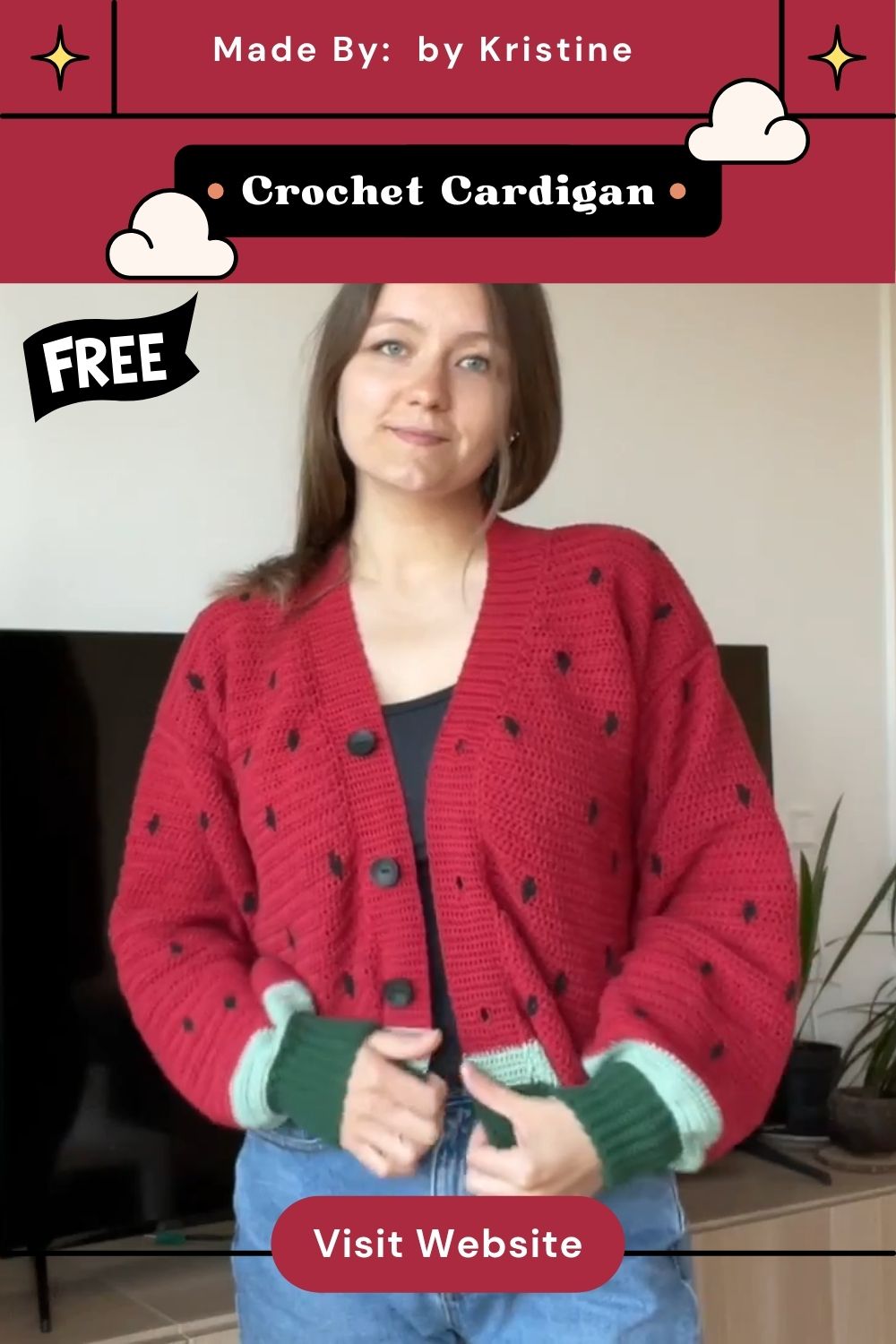
Handmade Crochet Cardigan Pattern with watermelon print
Pulling soft mint yarn from the basket instantly brings a burst of freshness to starting this Handmade Crochet Cardigan Pattern with Watermelon Print. After a few beginning chain stitches, the hands find their rhythm, and the yarn gradually shapes into a lovely cardigan. Watermelon-inspired print brings a playful, fresh touch of summer into the design.
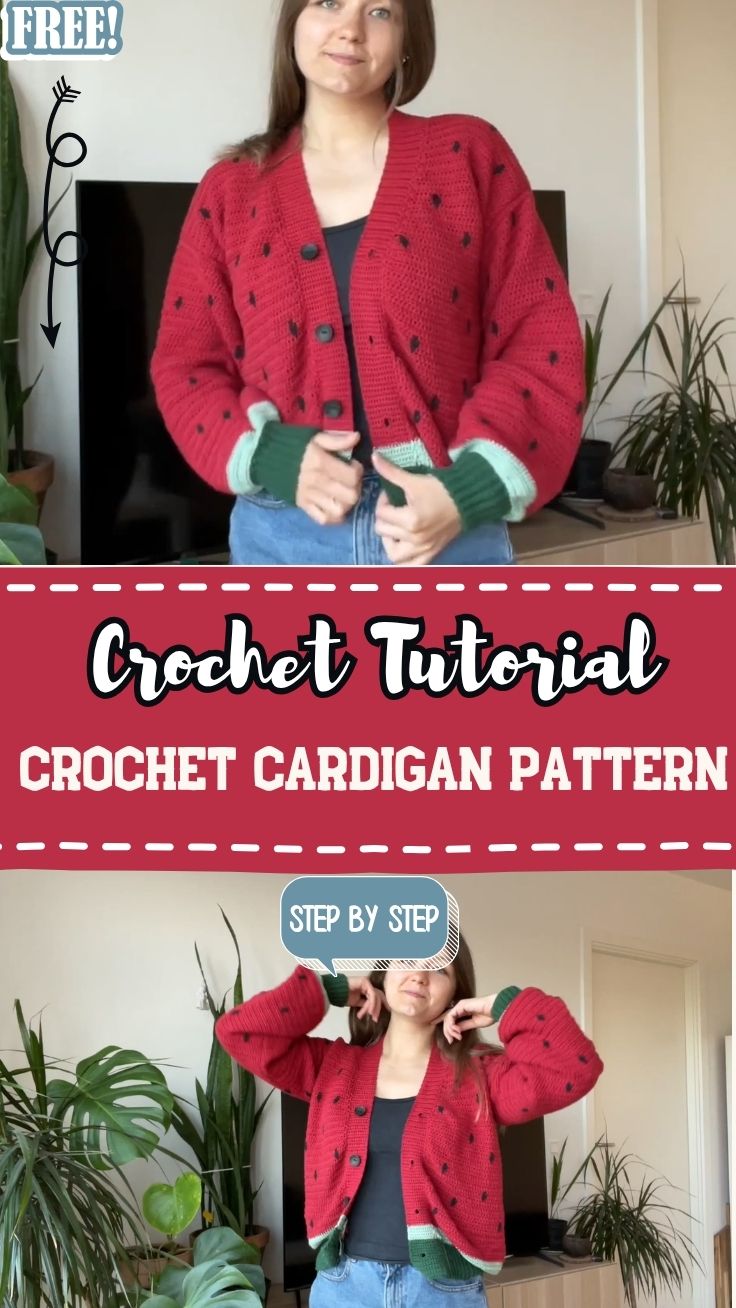
Handmade Crochet Cardigan Pattern with Watermelon Print brings a fresh, playful, slightly retro vibe to last summer’s wardrobe. A lovely mix of green and red brings out the watermelon-inspired print, adding a charming pop of color even to a plain neutral closet. Combining two bold colors in one garment might feel unfamiliar at first, but a beginner-friendly crochet pattern helps it come together step by step with ease.
The cardigan makes a great pick for light layering on warm days, casual outings, or adding a distinctive splash of color to a summer wardrobe. Simple crochet techniques paired with watermelon tones and print details turn it into a handmade piece that feels both comfortable and eye-catching.
What You’ll Need
Here’s what I gathered before diving in:
- Mint green yarn (for the base rows)
- Deep red or maroon yarn (for the watermelon flesh section)
- Small amount of black or dark green yarn (for the seed details)
- A crochet hook sized to your yarn weight
- Scissors
- A yarn needle for weaving in ends
- Stitch markers, optional but helpful
Nothing unfamiliar here, which is part of why this pattern appealed to me in the first place.
1: Getting Started
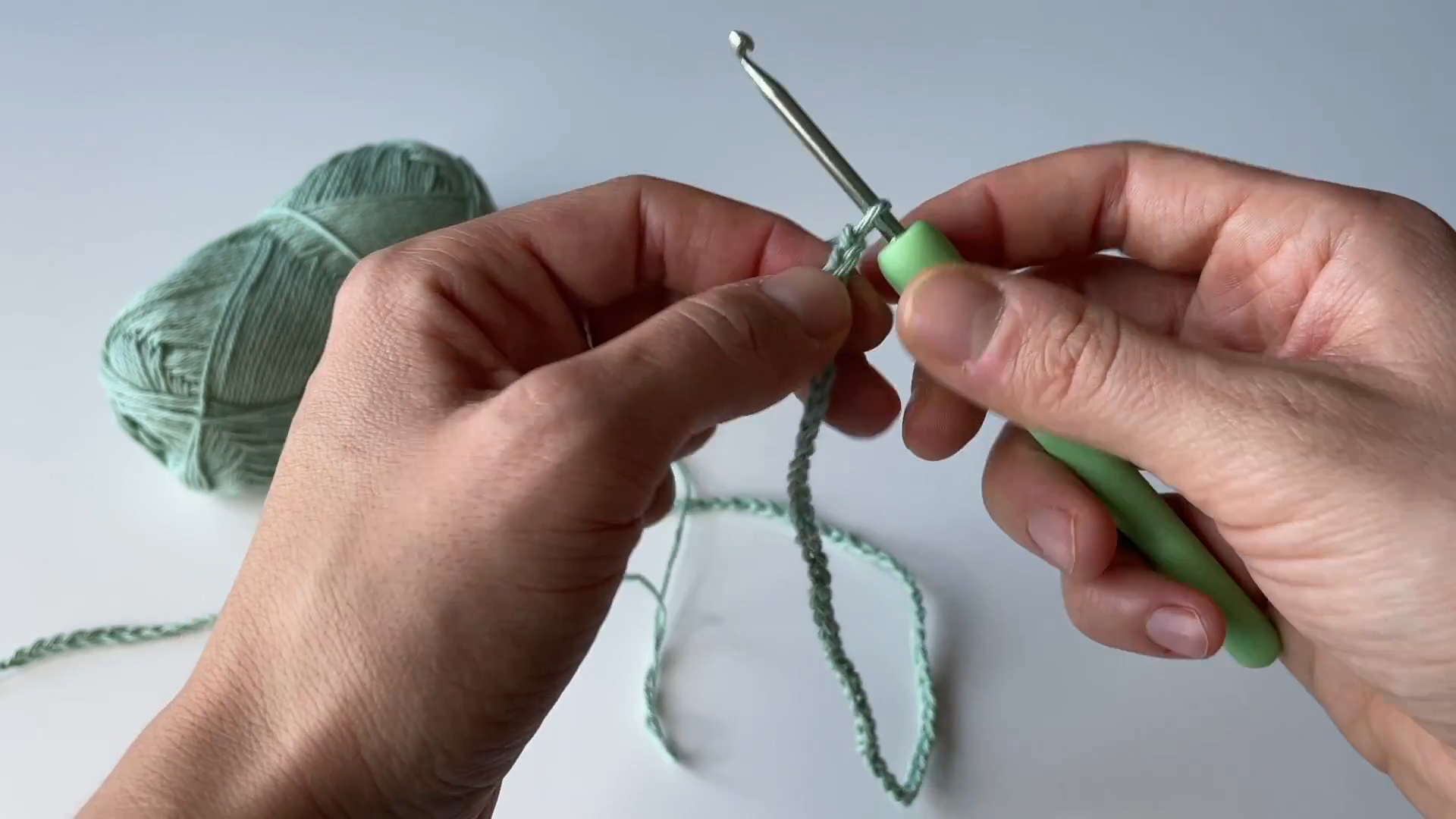
I began with a simple slip knot and a foundation chain in the mint green. My hook slid through easily once I found my grip. I held the yarn tension between my fingers, the way I always do, letting the loop rest just below the hook’s head. Each chain stitch felt small on its own, but together they built the base row fast. Once the chain reached the right length, I turned my work and started my first row of stitches. This early stage is deceptively quiet. There’s no visible shape yet, only a line of loops waiting to become something. Still, I could already picture where the green would eventually meet the red.
2: Building It Up
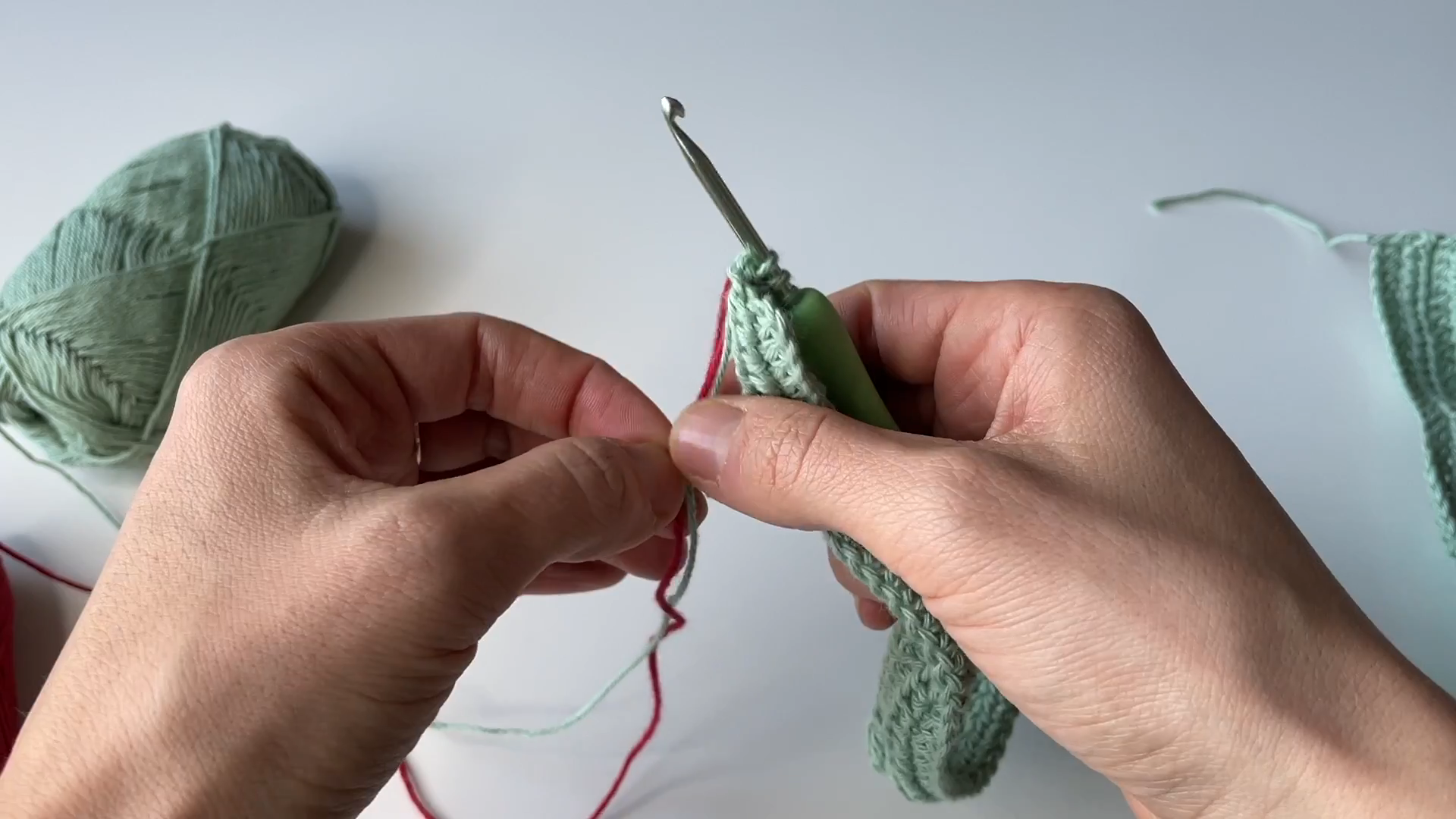
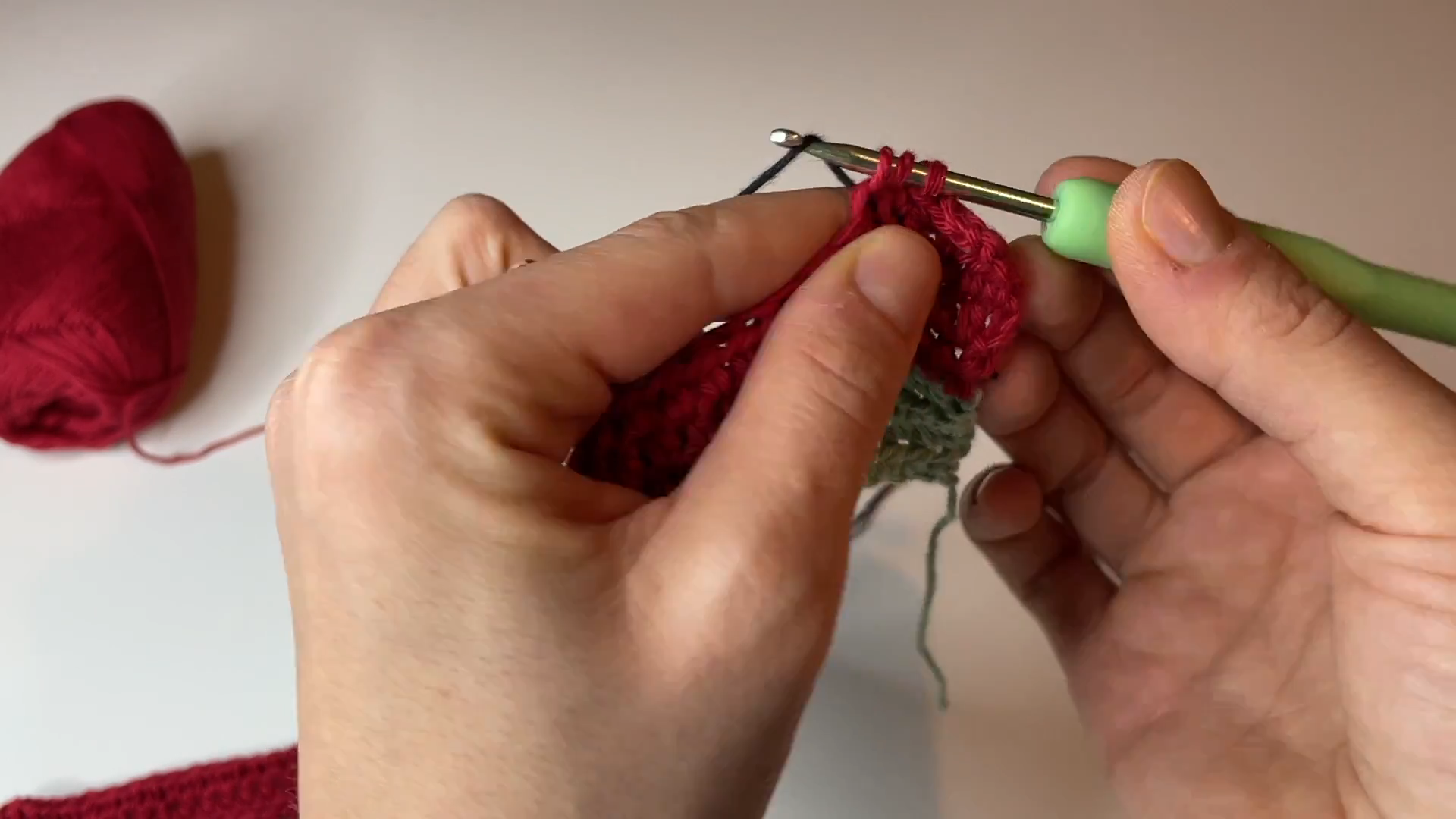
After a few rows in mint, I switched colors and picked up the deep red yarn. This is where the piece started to look like actual fabric rather than loose thread. I worked the hook through the top of each stitch, pulling the red yarn snug against the green edge. The transition row took a bit of patience because I wanted the color change to sit cleanly. Meanwhile, the shape of the panel became more obvious with every pass. I could see the rows stacking into a solid, textured block. Once the red yarn dominated the piece, I paused to check my tension. Then I kept going, row after row, building height and width at the same time. This stage always feels the most satisfying because the transformation happens quickly.
3: Finishing Touches
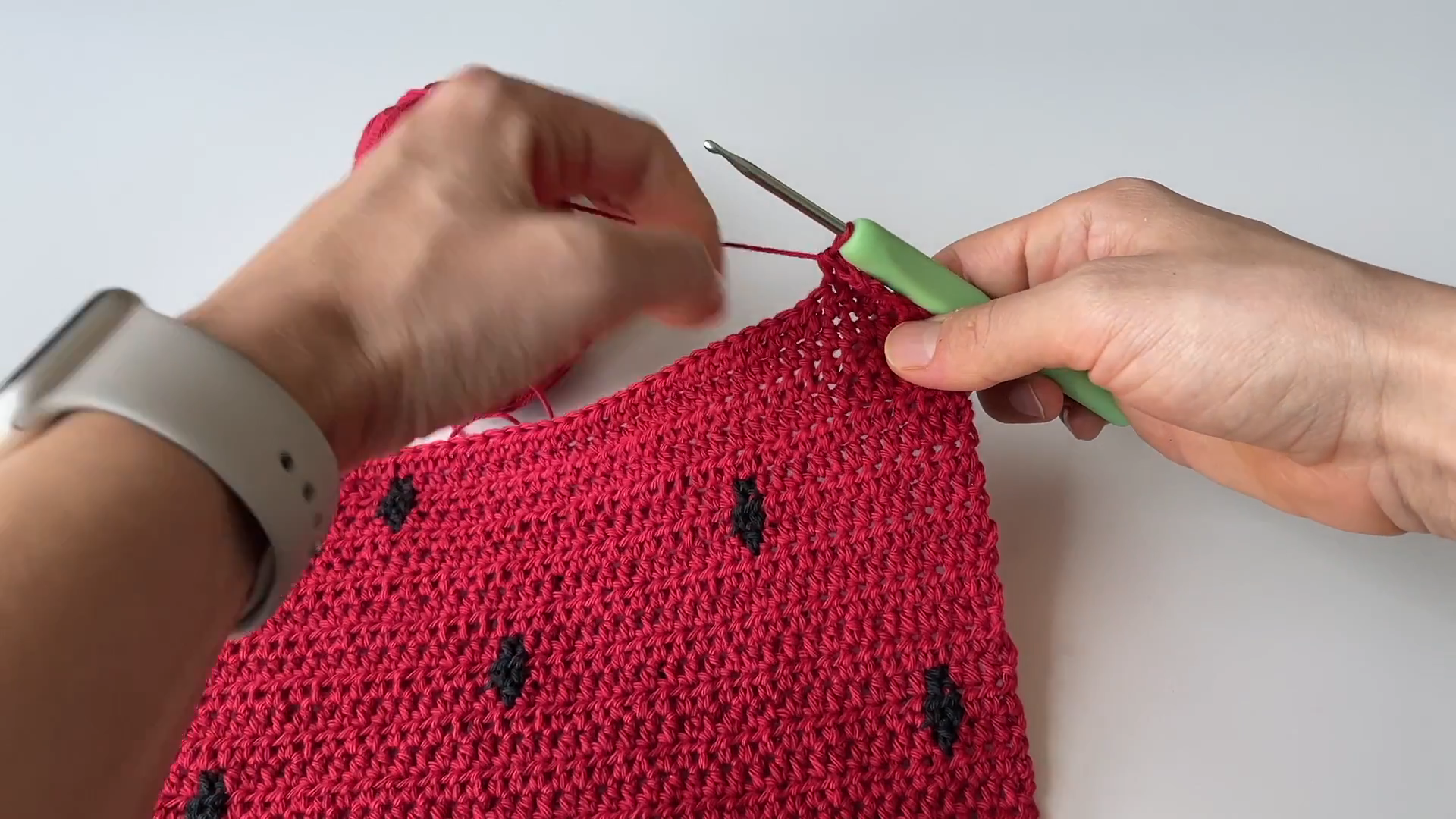
With the red base complete, I added the black seed details across the panel. These small stitches are what make a Handmade Crochet Cardigan Pattern instantly recognizable, so I placed them carefully. Each dot needed to sit slightly staggered from the last one, mimicking how real watermelon seeds scatter. Once the pattern read clearly, I moved on to finishing the edges. I picked up my scissors and trimmed the working yarn, leaving enough tail to weave in securely. My needle guided the loose end back through several stitches so it wouldn’t unravel later. After that, I checked the whole panel under better light. The seed placement looked intentional rather than random, which felt like a small win.
What Went Wrong / What I’d Do Differently
I won’t pretend everything went perfectly. My first color transition looked messy because I pulled the red yarn too tight against the green row. It puckered slightly, so I had to unravel two rows and redo them more slowly. I also underestimated how many black stitches I’d need for the seed pattern. Because of that, I ran out partway through and had to pause my momentum to find more yarn. Next time, I’d measure a rough seed count before starting instead of improvising as I went. I’d also test my tension swatch earlier, since that single step might have saved me an hour of unpicking stitches.
Where This Piece Lives Now
This particular panel became part of a cropped cardigan I now wear constantly in warmer months. It hangs on a hook by my door, ready whenever I need a light layer. Friends have asked where I bought it, which still makes me laugh a little. Explaining that I made a watermelon cardigan from scratch feels oddly satisfying every time. It’s not perfect up close, but from a normal distance, nobody notices the wobbly transition row. That imperfection has become part of its charm, honestly.
For First-Timers
If you’re new to color-blocked garments, start smaller than you think you need to. A swatch using both colors will save you from surprises once you commit to a full panel. Take your time on the transition rows, since rushing there is where most puckering happens. Also, don’t skip a tension check before beginning the seed details. Because black stitches show up sharply against red, uneven tension becomes obvious fast. Finally, keep your scissors and needle nearby throughout, not just at the end. You’ll want to trim and weave in ends as you go rather than saving it all for later.
FAQ
How long does a watermelon cardigan take to make?
It depends on your experience level and gauge, but expect several evenings of steady work. Beginners should budget extra time for the color transitions specifically.
What yarn weight works best for this pattern?
A medium worsted weight yarn tends to give the cleanest stitch definition for the seed details. Thinner yarns work too, though they’ll require more rows overall.
Can I use different colors instead of red and green?
Absolutely. The construction method stays the same even if you swap the palette entirely. Some makers use pink and white for a “watermelon sorbet” variation instead.
Is this Handmade Crochet Cardigan Pattern beginner-friendly?
Yes, as long as you’re comfortable with basic stitches and simple color changes. The seed detailing is optional if you want to keep things even simpler.
How do I keep my color transitions from puckering?
Loosen your tension slightly right before and after a color change. This small adjustment prevents the pulling that causes visible bunching.
Closing Thought
Looking back, this project taught me more about patience than technique. A Handmade Crochet Cardigan Pattern isn’t complicated, but it does reward slowing down at the right moments. I still glance at that slightly wobbly transition row sometimes, and honestly, I don’t mind it anymore. It reminds me that handmade things carry their process inside them.