Creative Crochet Flower Curtain Tie Back Pattern for Flawless Look
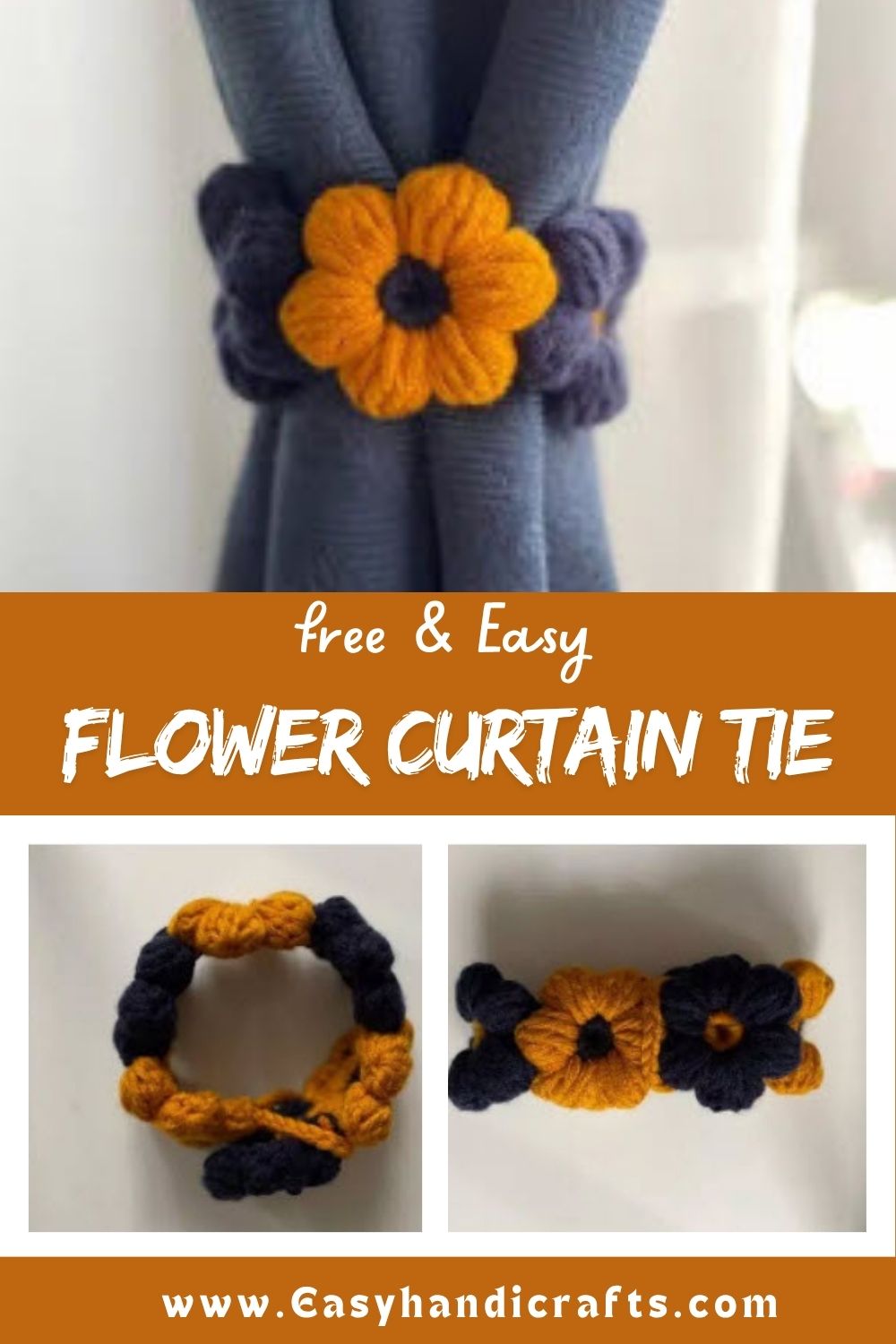
Turning simple curtains into something beautiful and special, the crochet flower curtain tie-back is a wonderful choice. Made from six charmingly connected flowers, this design creates a soft, homey, cozy feel. Thanks to its easy pattern and quick-finish technique, it’s a lovely project for beginner crocheters, home decor lovers, and handmade decor enthusiasts alike, adding a distinctive touch of beauty to any room.
It’s the small details that create the most beauty in home decor, and this crochet daisy flower curtain tie-back highlights exactly that charm. With its beautiful bobble-stitch petals and flower-chain design, this project gives curtains a soft, handmade feel. It’s an easy and enjoyable choice for those with basic crochet skills, beginners, and anyone who loves decorating their home with a distinctive touch, creating a beautiful transformation from simple materials.
Overview
A crochet daisy flower tie back combines two crochet skills most makers already know: single crochet and bobble stitches worked into a magic ring. Six flowers are joined edge to edge, then closed into a loop with a simple chain, creating a soft, floral accessory that wraps gently around curtain fabric. Because the pattern repeats the same flower six times, it becomes faster and more intuitive with each one you make.
Skill Level
This pattern suits confident beginners and intermediate crocheters comfortable with magic rings, single crochet, and basic bobble stitches. No complex shaping or color changes beyond the petal transition are required, making it approachable, forgiving, and quick to complete.
Materials and Tools
- Worsted weight cotton or acrylic yarn in two colors (center color and petal color)
- Crochet hook sized to match your yarn weight, typically 3.5mm to 4mm
- Tapestry needle for weaving in ends and sewing flowers together
- Scissors
- Stitch marker (optional, helpful for tracking rounds)
Pattern Overview
Each daisy starts from a magic ring, builds a tight center of single crochets, then grows six bobble petals directly onto that center in a contrasting color. Once six flowers are complete, they get sewn together side by side, with one petal from each flower tucked between two petals of its neighbor. A finishing chain closes the whole strip into a loop ready to wrap around your curtain.
Making the Flower Centers
Start every flower with a magic ring, then chain 1 before working 12 single crochets into the ring. Pull the ring tight to close it fully, leaving no visible gap at the center. This tight pull matters more than beginners expect, since a loose center weakens the whole flower later.
Building the Bobble Petals
Insert your hook into the first single crochet stitch, then change to your petal color with a slip stitch. Chain 3, yarn over, and insert the hook into that same stitch, pulling the yarn up level with the chain. You should now have three loops sitting on the hook. Pull yarn through two of those loops, leaving two remaining.
Repeat that same motion two more times into the identical stitch, until four loops rest on the hook. Move to the next single crochet stitch and repeat the motion three additional times there as well. At this stage seven loops should be waiting on the hook. Pull the yarn through everything at once, then close with a chain of 3.
Slip stitch into that same starting stitch to seal the first petal, then gently push the stitches inward so the petal puffs into a rounded bubble shape. Chain 3 again and repeat the entire sequence across the next two stitches. Continue this rhythm until six full petals circle the center, then weave in loose ends and leave a tail for sewing later.
Special Techniques
Bobble stitches rely on controlled tension rather than speed. Pulling too tight flattens the puff; too loose and petals lose their rounded shape. Practicing the loop-count on a scrap piece first helps build muscle memory before committing to all six flowers.
The magic ring technique also deserves attention here, since a tie back gets handled often. Cinching the ring closed firmly prevents gaps from appearing after repeated use, keeping every daisy looking fresh over time.
Assembly
Once all six flowers are finished, lay them out in the order you’d like them joined. Sew each flower to its neighbor by tucking one petal of one flower between two petals of the next, stitching securely at the touching points with your tapestry needle.
After every flower connects into one continuous strip, chain 20 stitches from the tail end. Pull that chain through the end loop of the last flower, then close it with a slip stitch. This creates a simple loop closure that slips easily around gathered curtain fabric.
Usage Ideas
- Wrap around sheer curtains for a soft cottagecore living room look
- Pair with linen drapes in a farmhouse-style bedroom
- Use as a nursery curtain accent alongside pastel-toned fabric
- Gift as part of a handmade home décor bundle
Helpful Tips
Keeping tension consistent across all six flowers makes the finished strip look uniform rather than mismatched. Working all six centers first, then all six petal rounds, can help maintain that consistency better than finishing one flower fully before starting the next.
Blocking each flower lightly before sewing also flattens any curling edges, giving the finished tie back a cleaner, more polished silhouette once hung.
Counting loops out loud during the bobble sequence, especially on your first flower, prevents the most common source of uneven petals. Once the rhythm feels automatic, most makers find they no longer need to count consciously at all. Working near good lighting also helps you spot the color change stitch clearly, since it happens quickly and can be easy to miss on darker yarn shades.
Customization and Variations
Swapping petal colors between seasons keeps this pattern useful year-round; pastel shades suit spring windows, while deeper tones fit autumn interiors nicely. Adding a button or wooden bead at the center of each flower introduces texture without changing the core stitch pattern.
For a bolder statement, larger hooks and bulkier yarn scale the daisies up into oversized tie backs suited to floor-length curtains or heavier drapery fabric.
Mixing petal colors within a single strip, rather than keeping every flower identical, adds visual movement without extra stitch work. A gradient effect, moving from pale yellow through soft orange, gives the tie back a sunset-inspired look that pairs nicely with warm-toned curtain fabric. Alternatively, alternating two contrasting petal shades across the strip creates a playful, patterned rhythm that still relies on the same basic construction.
Yarn weight changes the personality of the finished piece almost as much as color does. Cotton yarn gives crisp, defined petals that hold their bubble shape firmly, while a soft acrylic blend produces a plusher, slightly rounder look. Testing a single flower in each fiber before committing to all six helps decide which texture suits your curtain fabric best.
Common Mistakes to Avoid
- Loosening the magic ring too early, which leaves a visible hole at the flower center
- Miscounting loops during the bobble sequence, resulting in uneven petal size
- Sewing flowers together without securing the connecting petal firmly enough
- Skipping the blocking step, leaving edges curled after assembly
Finishing Tips
Weave every loose end carefully through the back of the stitches rather than trimming them short, since tie backs experience regular handling. A dab of fabric glue at knot points adds extra security for pieces that will see daily use.
Gifting Ideas
Bundled with matching coasters or a small crochet basket, this daisy tie back set makes a thoughtful housewarming gift. Wrapping a finished pair in tissue paper alongside a handwritten care note turns a simple pattern into a memorable present.
Frequently Asked Questions
Can I use a single color for the whole Crochet Flower Curtain Tie Back?
Yes, though the color change between center and petals gives the daisy its recognizable two-tone look and helps the bobble stitches stand out visually.
How much yarn does one tie back need?
Most makers finish a six-flower strip using under 50 grams total across both colors, though gauge and tension affect the exact amount.
Is this Crochet Flower Curtain Tie Back pattern beginner friendly?
Low-key, yes. Anyone comfortable with basic single crochet and willing to practice the bobble motion a few times can complete this project confidently.
Conclusion
A crochet daisy flower curtain tie back proves that small handmade details can transform an entire room’s feel. Six simple flowers, joined together and finished with a loop closure, create a charming accessory that pairs beautifully with sheer or heavier curtain fabric alike. Whether made as a gift or a personal touch for your own home, this free crochet daisy flower pattern offers a rewarding, low-effort project with a genuinely polished result. Once you’ve made one pair, you’ll likely find yourself reaching for new colorways to match every season.