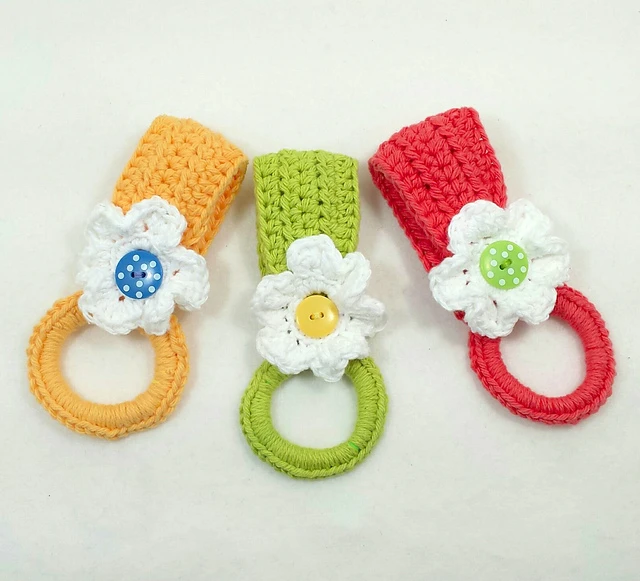
Handmade crochet accessories have a timeless charm that never really fades. First, they add texture and personality to everyday outfits, and next, they feel extra special because they’re built stitch by stitch.
A Crochet Rope Style Belt is especially satisfying because it’s both pretty and practical. Next, it cinches dresses, defines the waist on oversized shirts, and adds a soft handmade detail to jeans and skirts. At the same time, the rope-like texture keeps the belt looking polished instead of plain.

Crochet belts are surprisingly versatile. For example, a slim belt can gently shape a flowy dress, while a wider belt can create a structured look over a cardigan. After that, the same belt can be tied high at the natural waist or lower on the hips, depending on the outfit and mood.
This Crochet Rope Style Belt keeps the pattern simple, elegant, and beginner-friendly. First, the main belt is a sturdy band, and then a rope-texture detail makes it look intentional and stylish. Finally, long tie cords make the belt adjustable, so it works with multiple outfits while still looking decorative.
Materials Needed
- Yarn type and weight (durable option recommended):
- Cotton yarn (worsted / size 4) or a strong acrylic blend
- Amount: 80–120 g total (more for wider belts or plus sizes)
- Suggested colors: natural beige, black, denim blue, chocolate, or any bold shade
- Crochet hook size: 4.0 mm–5.0 mm (use 4.0 mm for tighter stitches)
- Stitch markers: 2 (helpful for measuring and edging)
- Yarn needle: 1 tapestry needle for weaving ends
- Scissors: 1 pair
- Optional decorations:
- Beads: 6–20 pieces (large-hole beads work best)
- Tassels: 2 tassels (or yarn to make them)
- Small charms or metal rings (for a dressy finish)
Skill Level: Beginner / Easy
Making Time (Overview): Approximately 1.5–2.5 hours
Instructions
Body (Main Belt Section)
- Create the foundation chain (measure for a perfect fit):
First, decide where the belt will sit: natural waist or hips. Next, measure around that area and subtract 5–8 cm (2–3 in) because tie belts don’t need to fully close like buckled belts.
After that, crochet a foundation chain that matches that measurement. As a simple starting point, many adult belts land around 120–160 chains, but measuring is always more accurate than guessing. - Build the belt width (form a sturdy band):
Next, crochet back across the chain in single crochet to create a firm base row. Then, continue working 2–4 rows of single crochet (or half double crochet for a slightly softer band).
Meanwhile, keep the edges straight by counting stitches at the end of each row. After that, stop when the width looks balanced—about 3–5 cm (1.25–2 in) for a classic waist belt. - Add texture detail (rope-like appearance):
Now, add the rope effect using one of these beginner-friendly options:- Option A: Slip-stitch ridge (very rope-like and structured)
First, work a row of slip stitches in the back loops only to create a raised ridge. Next, repeat every other row if stronger texture is wanted. - Option B: Front-post style texture (subtle and elegant)
First, work a row of half double crochet, and next crochet into the third loop on the next row to make a clean “corded” line.
After that, continue until the belt band feels sturdy and looks slightly textured, like a soft rope flattened into a belt shape.
- Option A: Slip-stitch ridge (very rope-like and structured)
Making time for main belt section: 45–75 minutes
Additional Parts
Edges / Border Design
- Add a neat decorative edge:
First, crochet single crochet evenly around the belt to tidy the sides. Next, place 3 single crochets in each corner so the edge doesn’t curl. - Optional scalloped or pointed edge:
After that, add a simple repeat like (skip 1 stitch, 5 double crochet in next stitch, skip 1 stitch, slip stitch in next) for gentle scallops.
Meanwhile, keep the edging subtle so the belt stays wearable with casual outfits.
Making time for edging: 15–25 minutes
Tie Strings / Rope Ends
- Crochet long ties or cords:
First, decide between a flat tie or a round cord:- Flat tie: crochet foundation chain 90–120 stitches, then single crochet back across.
- Round cord (more rope-like): chain to length, then work slip stitches back down the chain, which makes a sturdy cord.
- Ensure strength and flexibility:
Next, make two ties, one for each belt end. After that, tug lightly to test strength; if the cord stretches too much, switch to a smaller hook or choose slip stitches for reinforcement.
Making time for ties: 20–35 minutes
Accessories / Details
- Beads:
First, slide beads onto the yarn before finishing the cord ends, then position them near the tips for a chic look. - Tassels:
Next, add tassels to the tie ends for movement and a handmade finish. - Extra embellishment:
After that, a small charm or a contrasting stripe can make the belt look more “styled” and less basic.
Making time for accessories: 10–25 minutes
Finishing & Assembly (Instead of Face & Assembly)
- Attach ties securely:
First, align one tie with one end of the belt. Next, stitch it down using the yarn needle, sewing through multiple stitches for strength. After that, repeat on the other end.
Meanwhile, aim for symmetry so both ties sit in the same position and angle. - Adjust belt length if needed:
Next, wrap the belt around the waist and tie it once. After that, check whether the ties are long enough for a bow. If more length is needed, add extra chain stitches and continue the cord. - Ensure clean finishing:
Finally, weave in every end by running the yarn tail back and forth through several stitches. After that, trim close only after the end is fully hidden.
Beginner-friendly tips
- First, attach ties with more stitches than expected—belts get tugged often.
- Next, keep edges flat by not pulling the border too tight.
- Finally, check the belt from both sides so it looks neat no matter how it flips while worn.
Special Features
- Texture: rope-like, slightly raised texture that looks stylish and intentional
- Style: elegant and fashionable, works with modern and classic outfits
- Function: adjustable fit, easy to tie tighter or looser depending on the outfit
Sizing Tips
Sizing a Crochet Rope Style Belt is simple once the measuring is done in the right order.
- Length:
First, measure the waist or hips where the belt will sit. Next, crochet the belt band slightly shorter than that measurement (about 5–8 cm / 2–3 in less). After that, rely on the ties to finish the fit comfortably. - Width:
Next, adjust width by adding or removing rows. For example, 2 rows makes a slim belt, while 4–6 rows makes a bold waist belt. - Tie length:
Finally, longer ties create a dramatic bow and wrap-around look. Meanwhile, shorter ties feel more minimal and tidy.
Finishing Tips
- First, keep edges neat by counting stitches and using corners correctly.
- Next, secure all yarn ends carefully, especially where ties attach.
- After that, maintain consistent tension so the belt doesn’t ripple.
- Finally, block lightly for a polished look: gently steam or pin flat (especially helpful for cotton).
Common Mistakes to Avoid
- Uneven stitch tension:
First, slow down on the foundation chain; that’s where unevenness starts. Next, use a slightly larger hook for chaining if the chain pulls tight. - Incorrect belt length:
After that, measure the actual chain against the body before adding rows—small errors add up quickly. - Loose edges or weak ties:
Next, reinforce tie attachments with extra stitches and weave ends thoroughly. - Skipping stitch counting:
Finally, count stitches at row ends so the belt edges stay straight rather than slanting.
Variations & Customization Ideas
- Color choices:
First, try neutrals like cream, tan, or black for a wardrobe staple. Next, choose bold colors like red or emerald to make the belt a statement piece. After that, pastel shades create a softer, romantic look. - Decorative beads or tassels:
Meanwhile, adding beads near the tie ends creates an elevated finish. Later, tassels can make the belt feel boho and playful. - Make wider or thinner belts:
Next, a thin belt works beautifully with summer dresses. After that, a wide belt looks great over sweaters and cardigans. - Experiment with stitch textures:
Finally, try lemon peel stitch, back-loop-only half double crochet, or slip-stitch ridges to create different rope-like effects.
Tutor Suggestions
- First, measure carefully before starting, especially for the belt length.
- Next, maintain even tension throughout so the belt lies flat and feels sturdy.
- After that, count stitches regularly to keep edges straight.
- Finally, practice the texture stitch on a small swatch before committing to the full belt.
Conclusion
A Crochet Rope Style Belt is the kind of project that feels relaxing to make and satisfying to wear. First, it adds shape and style to outfits, and next, it gives a handmade touch that store-bought accessories can’t quite match. Finally, with small changes in color, width, and tie details, this easy crochet waist belt can become a go-to accessory for every season.