Crochet Sage Cropped Cardigan Pattern for Beginners
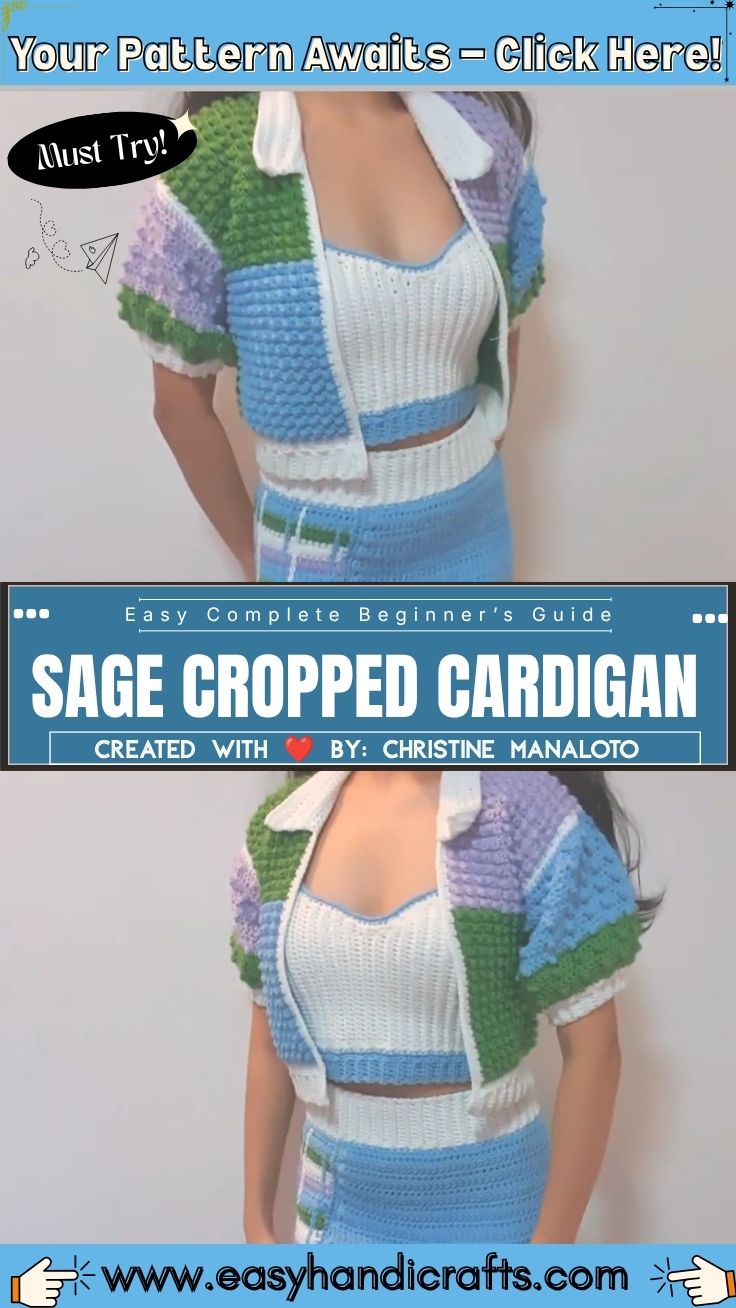
Soft moss-stitch texture and a cropped, breezy silhouette define the Crochet Sage Cropped Cardigan Pattern for Beginners. Simple panels replace complicated shaping, and warm sage tones give the finished piece a relaxed layering feel that suits transitional weather and easy everyday styling.
Beginners often search for a beginner cardigan pattern that builds confidence without confusing instructions. The design answers that need directly, because every panel uses a repeating moss stitch. The fabric grows in a steady rhythm, so the stitch pattern feels familiar within a few rows. A moss stitch cardigan built from straight panels also stays forgiving through gauge changes and yarn substitutions.
The pattern exists to give newer crocheters a wearable, panel-based project that teaches texture, seaming, and simple shaping in one build.
What Is This Pattern?
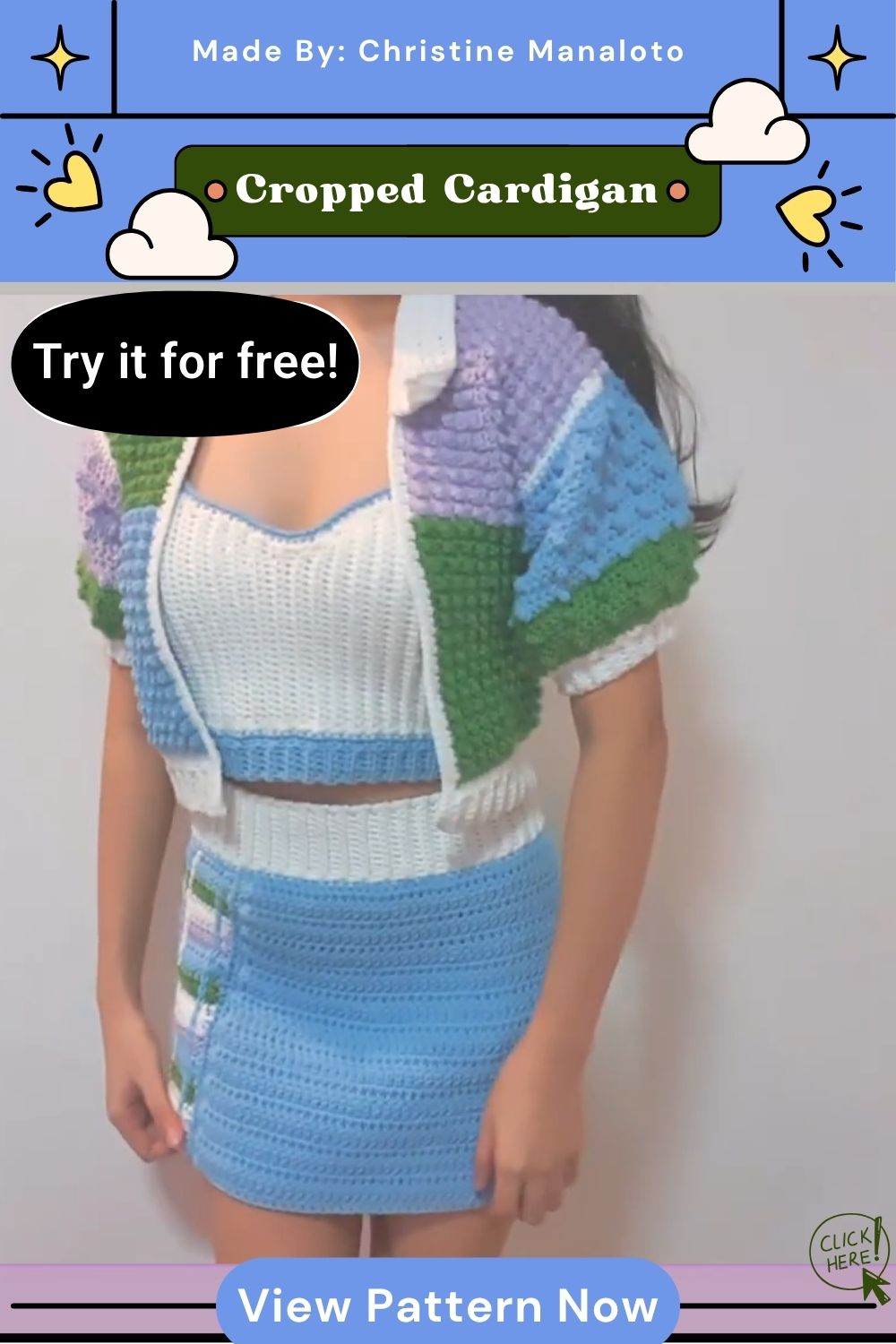
The sage cropped cardigan takes shape from four main panels: two fronts, a back, and matching sleeves. Each panel starts with a simple foundation chain, then builds upward in moss stitch, alternating single crochet stitches with small chain-one gaps. Once all panels reach the required length, they join together with a coordinating seam. A contrast edging finishes the raw sides afterward. Sage functions as the primary color, though color-blocked accents work well for crocheters who want a bolder finished look. Length lands at the natural waist, giving the piece its cropped profile.
What Do You Need to Make It?
A few basics cover the entire sage cropped cardigan build:
- Worsted weight (#4) yarn in sage green, plus optional accent colors for a color-blocked version
- A 5.5mm (H-8) crochet hook
- A yarn needle for weaving ends and seaming
- Stitch markers for tracking rows
- Scissors and a measuring tape
Because the panels stay simple, substituting yarn brands rarely causes trouble as long as the weight matches.
What Skills Does It Require?
Only a handful of techniques come into play here. Crocheters need comfort with a magic ring, basic chains, and single crochet. Reading a short row repeat matters too, since moss stitch depends on consistent spacing. Finally, a simple seaming method, either whip stitch or single crochet, joins the finished panels.
How Long Does It Take?
Prep: roughly 15 to 20 minutes for a gauge swatch and starting ring.
Stitching: between six and ten hours total, split across the front, back, and sleeve panels.
Finishing: one to two hours for seaming, edging, and weaving in ends.
Altogether, most beginners finish across one or two relaxed weekends, depending on how many rows they complete per sitting.
What’s the Process Like?
Phase 1: Foundation and Swatch
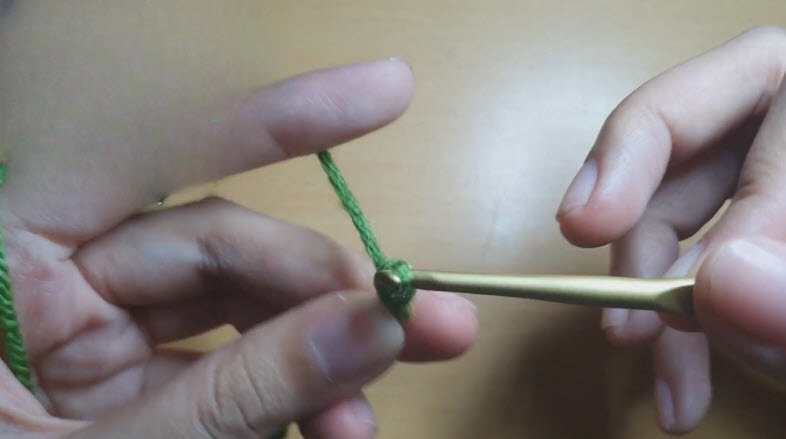
- Form a magic ring and insert the hook, leaving a short tail for weaving in later.
- Work the first round of single crochet stitches directly into the ring, then pull the tail snug to close the center.
Pro-Tip: Keep tension loose during this opening round, since a tight center ring makes later rows harder to work into evenly.
Phase 2: Building the Moss Stitch Panels
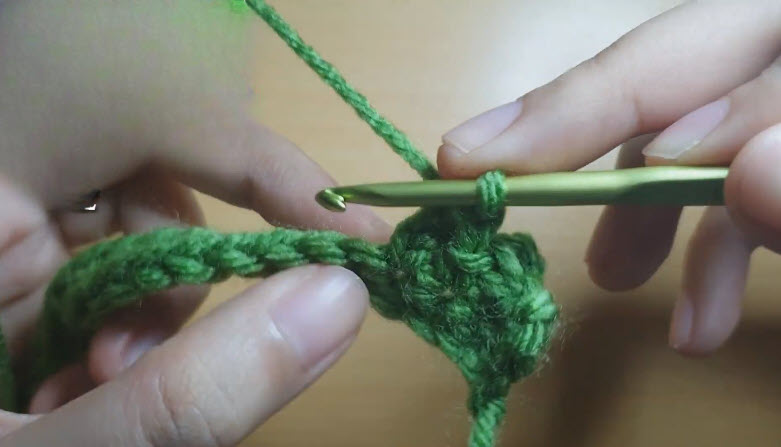
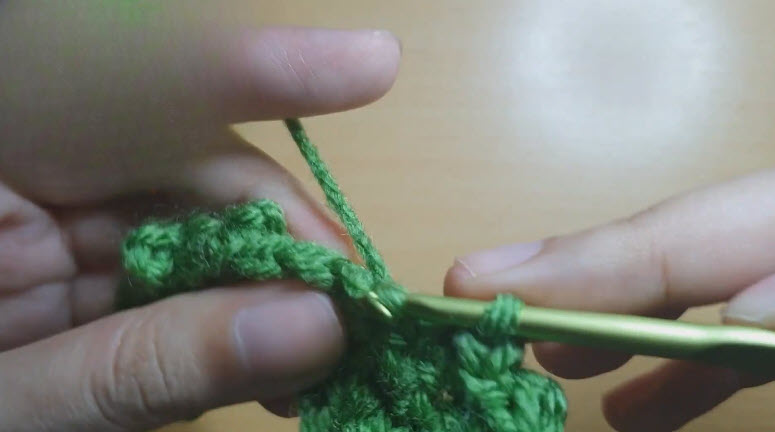
- Begin alternating single crochet stitches with chain-one spaces across the row, building the signature bumpy texture row by row.
- Continue the repeat upward, turning at the end of each row and working into the chain spaces rather than the stitch tops.
Stitch check: count stitches across the row every ten rounds, since a dropped chain space quietly narrows the panel without changing its height.
Phase 3: Assembling and Edging
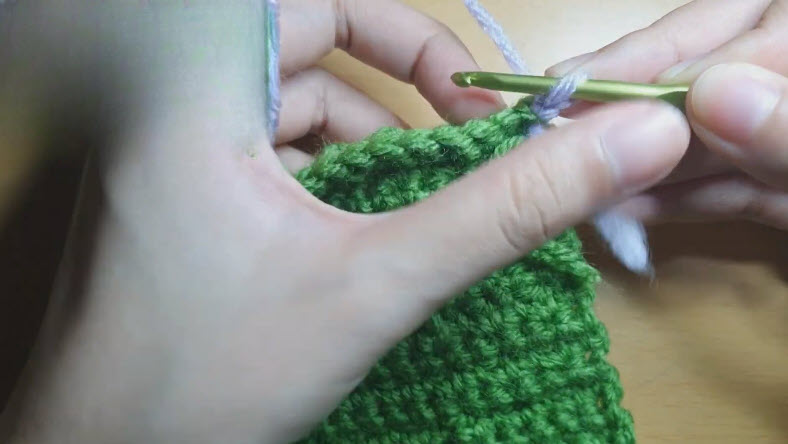
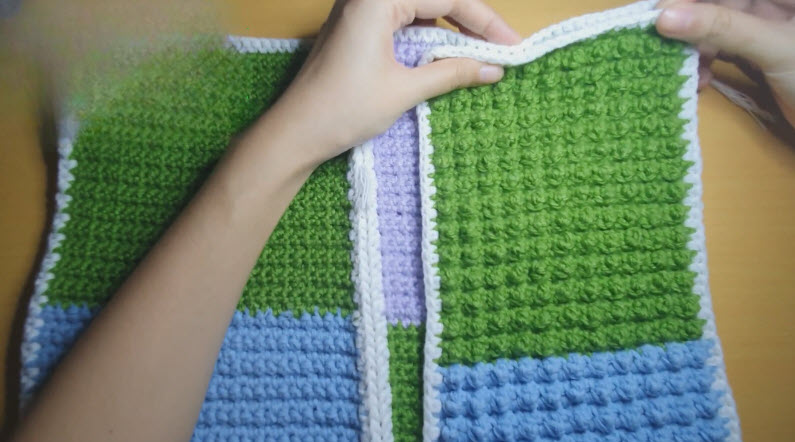
- Lay the finished panels side by side, matching color blocks and row counts before joining anything.
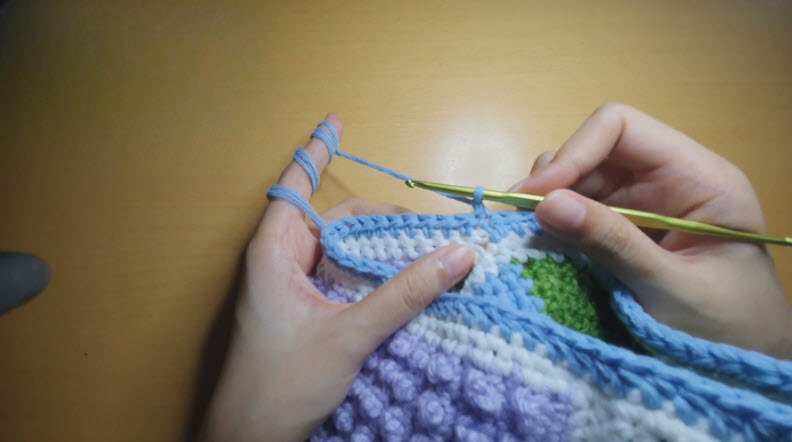
- Seam adjoining edges together with a contrasting yarn, working through both layers with single crochet or whip stitch for a clean, visible border.
Fit check: hold sleeves against the body panels before the final seam closes, confirming armhole depth matches comfortably.
What Usually Goes Wrong?
Uneven tension causes the most trouble, often producing curled or wavy edges along the panels. Miscounted chain-one spaces come next, since a single skipped space shifts the whole texture out of alignment for the rest of the row. Meanwhile, panels sometimes end up mismatched in length because row counts drift during long stitching sessions. Hook size can also creep smaller or larger than intended when switching between projects.
How Can Mistakes Be Avoided?
A quick swatch before starting reveals tension issues early, before they show up across an entire panel. Counting rows rather than estimating by eye keeps panels consistent, and placing a stitch marker every ten rows makes that count effortless. Additionally, laying panels flat against each other before seaming catches length differences while they’re still easy to fix. Sticking with one hook for the full project also prevents unexpected sizing shifts.
What Can This Piece Be Used For?
The finished cardigan layers easily over tank tops or fitted tees on cooler mornings. Crocheters pair it with high-waisted jeans or skirts for an effortless finished look, and some drape it across the shoulders during cool evenings outdoors. Others toss it over a sundress for extra coverage without adding bulk, since the cropped length keeps the silhouette light.
Is It a Good Project for Beginners?
Yes, largely because the sage cropped cardigan avoids shaping techniques like increases or decreases. Every panel repeats the same simple stitch pattern, so progress feels steady rather than technical. Seaming, the one slightly trickier skill involved, becomes manageable once crocheters practice on a small swatch first.
What Makes It Worth Trying?
Texture makes the biggest impression, since moss stitch produces a dense, tactile fabric without complicated stitch combinations. The panel construction also means mistakes stay contained to one section instead of unraveling an entire garment. Because the color scheme adapts so easily, the same pattern produces dramatically different results depending on yarn choice.
Why Are People Making This Right Now?
Interest in textured, panel-built garments keeps climbing as crocheters look for projects that feel achievable in a weekend rather than a month. Cropped silhouettes remain popular across seasonal wardrobes, and moss stitch offers a texture-forward alternative to plain single crochet fabric. A few factors drive the current momentum:
- Transitional-weather layering pieces stay in steady demand through early autumn
- Moss stitch content performs well across crochet social platforms right now
- Panel construction appeals to crocheters returning to the hobby after a break
FAQ
Can a lighter yarn weight replace the worsted weight called for here?
Yes, though switching to a DK or sport weight yarn requires a smaller hook and produces a noticeably lighter, drapier fabric.
How much yarn does the project typically use?
Most versions use between 600 and 900 yards total, depending on size and how many color blocks the crocheter includes.
Does the finished Crochet Sage Cropped Cardigan need blocking?
Light steam blocking helps the moss stitch texture lie flatter and evens out any minor tension differences between panels.
Can panels be joined with a different method than seaming?
Some crocheters prefer joining as they go with a slip stitch border instead of seaming afterward, which also doubles as edging.
Conclusion
Altogether, the Crochet Sage Cropped Cardigan offers a practical entry point for newer crocheters chasing texture without complexity. Straightforward panels, a repeating stitch, and simple seaming combine into a piece that feels rewarding from the first row through the final edge.